
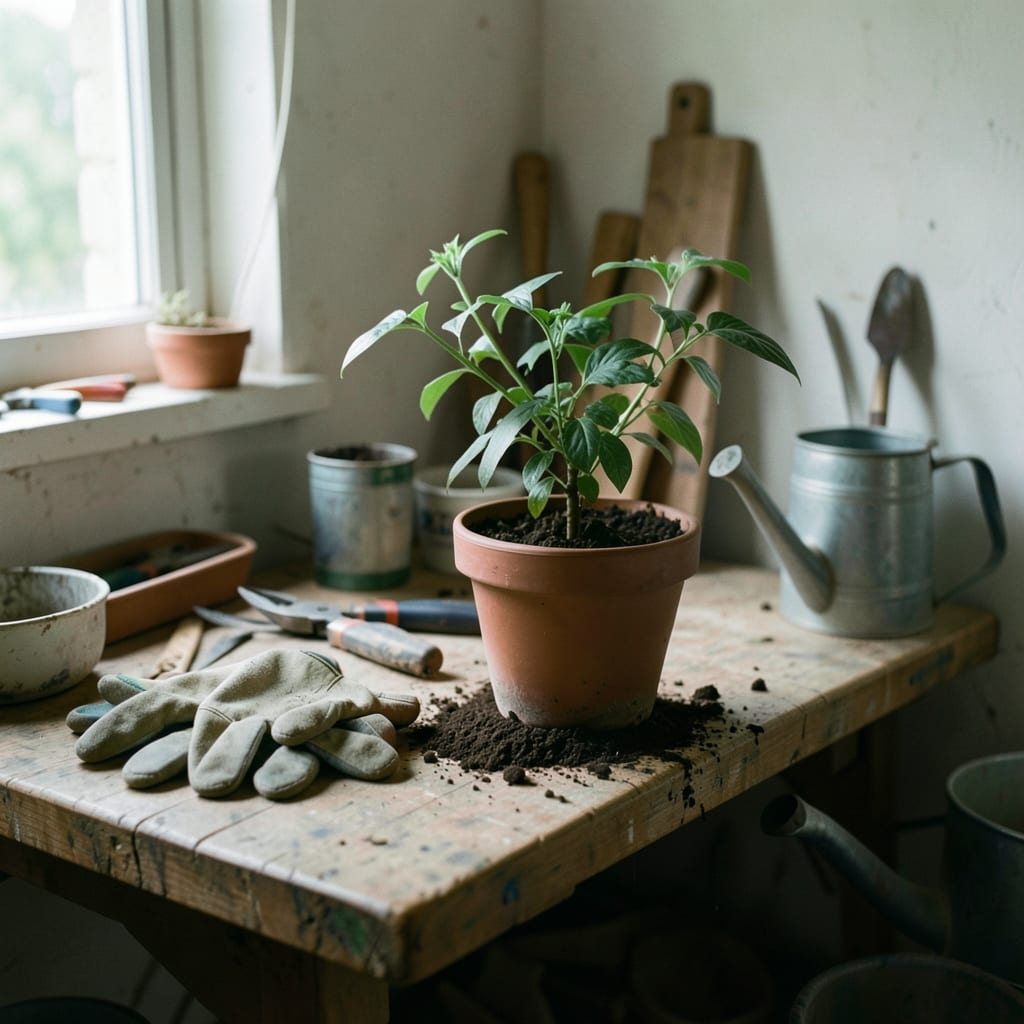
It started with one plant that kept failing
It was a pack of marigold seeds, the kind sold in a bright orange packet at the garden centre. I planted them in late April, following the instructions exactly: pressed into damp compost, covered with a thin layer of soil, and watered gently.
The tray went on a sunny windowsill, and I waited.
Nothing happened. Not in two weeks. Not in three. The instructions said germination could take up to three weeks, but by week four, the soil was dry, the seeds were still sealed tight, and the packet’s promise of ‘fast-growing’ felt like a lie.
I replanted them—deeper this time, in a different tray, with a heat mat. Still nothing.
Then, on the fifth attempt, I broke the rules. I soaked the seeds overnight, scratched the shells with a pin, and buried them just under the surface in a heated propagator. Three days later, they split open. The first shoots were pale and wobbly, but they were alive.
The rest of the packet followed within a week.
Nine tries before it worked

The first three attempts were planted too deep—the seeds rotted before they could sprout. The next two were in trays that dried out too fast, the soil cracking like mud in summer. The fifth batch I overwatered; the sixth, I under-watered.
By the seventh try, I’d moved the tray to a cold basement, thinking the chill would slow the compost’s heat. It killed them.
The eighth time, I planted them in a mix of sand and compost, thinking the grit would help drainage. The seeds sprouted—but they were stunted, their leaves yellowing within days.
The ninth attempt was the one that stuck: a shallow tray, fine compost, a clear lid to trap warmth, and a spot where the sun hit by mid-morning. They grew in four days.
What worked wasn’t the packet’s advice. It was the opposite: less soil, more light, and trusting that seeds know when they’re ready. The marigolds I finally grew were smaller than the ones in the photos, but they bloomed for weeks, bright and stubborn, just like the lesson they’d taught me.
The mind behind these pages

Theo Whitaker is the one who kept replanting those marigolds. He’s the founder and editor of *Garden Bunch*, and he started this site after realising that most gardening advice treats failure as a personal flaw instead of a signal.
His grandfather’s vegetable garden was where he learned that the best lessons come from the soil—not from the books, not from the experts, but from the plants themselves.
Theo is the kind of person who will adjust the watering schedule three times in a week, who notices when the compost smells wrong before the plants do, and who still gets frustrated when a seed refuses to cooperate.
His childhood summers were spent knee-deep in dirt, and the habit of trying again—even when it seems hopeless—stuck with him. His grandfather used to say, ‘A garden doesn’t care how many times you fail. It only cares if you keep going.’
He collects old gardening tools, sketches plant shapes in notebooks, and has a habit of talking to his tomatoes like they understand him. (They might.)
This site exists because of the marigolds that wouldn’t grow—and because of the ones that did, stubborn and bright, long after the instructions said they should have given up.
Everything here is written the way that plant was
Every guide, tip, and troubleshooting note on this site is built the same way: by planting something, watching it fail, and then trying again—until it works, or until we understand why it didn’t. There are no shortcuts.
If a method hasn’t been tested in real soil, with real light, and real mistakes, it doesn’t belong here.
We write down what happens *while* it’s happening—not after, when the memory gets smoothed out. The notes on compost ratios, the exact shade of light a seedling needs, the way a tomato vine twists toward the sun—these are the details that matter.
And if a page hasn’t been updated in six months, it’s because the plants have taught us something new.
That marigold packet was wrong about a lot of things. But it was right about one: the best gardens start with a seed, a little patience, and the willingness to keep trying—even when the first nine times don’t work.
What that means for you
You’ll find no perfect gardens here, no instant fixes, and no advice that assumes you already know what you’re doing.
Instead, you’ll get the same approach that grew those marigolds: honest, tested, and built on the idea that gardening is as much about learning from failure as it is about success.
What you won’t find are empty promises. If we don’t know the answer, we’ll tell you that too—and how to figure it out yourself. The goal isn’t to make you an expert overnight. It’s to give you the tools to grow what you want, your way.
We love questions about seeds that won’t sprout, soil that won’t drain, or vines that won’t climb. The best lessons come from the things that go wrong—and we’d love to help you turn yours into a story. Share your challenge on the contact page.
The guides are grouped by category: Advice, Aphids, Blooming, Companion Plants, Container Gardens and Picking.