
Fertilization
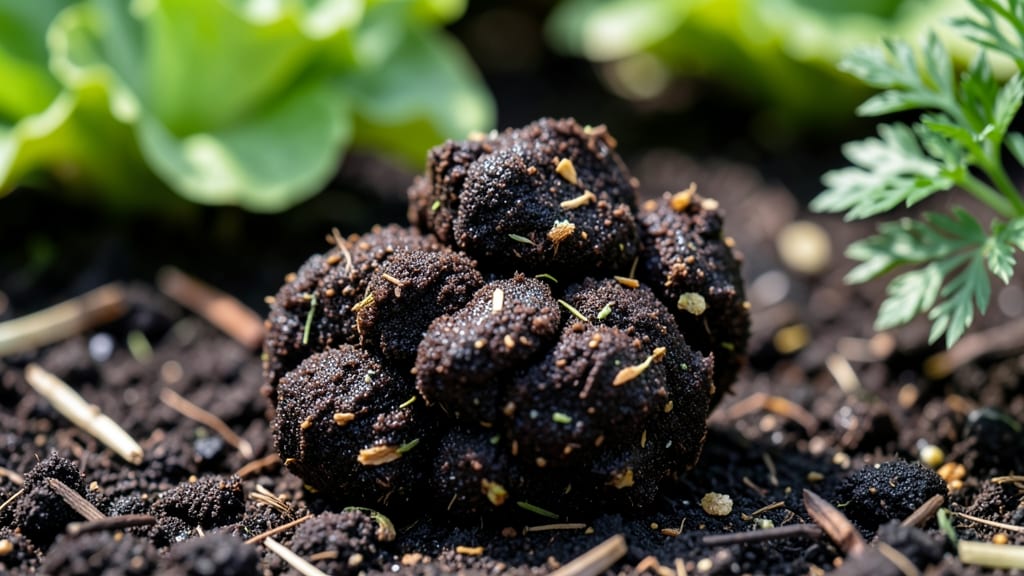
To determine how much rabbit manure to use in your garden, follow these ratios: mix 1 part fresh manure with 20 parts soil for vegetables, or use 1 part composted manure with 5 parts soil for flowers. Always blend it into the top 6 inches of soil to prevent burning plants.
Rabbit manure is a powerhouse for gardens because it's rich in nitrogen, phosphorus, and potassium—but its potency means you need to use it carefully. 🌱 Fresh manure should always be aged or composted for at least 3 months before applying, as its high nitrogen content can scorch plant roots if used raw.
For heavy feeders like tomatoes or peppers, I recommend working in composted rabbit manure in early spring, while delicate flowers like roses benefit from a lighter mix. The key is balancing nutrients without overwhelming your plants, which is why those specific ratios exist.
What sets rabbit manure apart is its gentle yet effective nutrient release compared to other animal manures. Unlike chicken manure, which can be too hot for young plants, rabbit manure breaks down more slowly and provides a steady supply of nutrients.
This makes it perfect for both vegetables and ornamental plants, as long as you stick to the recommended proportions. Overapplication isn't just wasteful—it can actually harm your garden by creating ammonia buildup or attracting pests.
💡 In This Article
- Rabbit Manure Nutrient Breakdown and Soil Impact
- Step-by-Step Rabbit Manure Application Guide
Rabbit manure nutrient breakdown and soil impact
Rabbit manure stands out because of its balanced nutrient profile, typically containing 2-3% nitrogen (N), 1-2% phosphorus (P), and 1-2% potassium (K) by weight when fresh. This NPK ratio makes it ideal for leafy greens like lettuce or spinach, which thrive on nitrogen for lush growth.
The phosphorus content supports root development, while potassium helps with disease resistance. Unlike chicken manure (which can have 4-5% nitrogen and risk burning plants), rabbit manure's lower nitrogen content and finer texture make it safer for direct application.
Composting rabbit manure transforms its nutrient availability dramatically. After 3-6 months of decomposition, the nitrogen stabilizes while phosphorus and potassium become more accessible to plants. The composted version has a milder aroma (earthy rather than ammonia-heavy) and a crumbly texture, perfect for blending into flower beds.
For example, roses benefit from composted rabbit manure's phosphorus boost, which encourages blooming, while vegetables like tomatoes need the nitrogen-rich composted mix for vigorous foliage.
The magic happens in the soil's microbial activity. Rabbit manure contains beneficial bacteria that break down organic matter into plant-available nutrients over time. This slow-release quality prevents the rapid nutrient spikes that can harm seedlings.
For instance, mixing 1 part composted manure with 5 parts soil for flowers provides steady nutrition without overwhelming their delicate root systems. The manure's high calcium content (from rabbit diets) also helps prevent blossom-end rot in tomatoes.
Texture plays a crucial role in application. Fresh rabbit manure has a granular, almost pellet-like consistency that breaks down quickly when tilled into soil. Composted versions become darker and more homogenous, resembling rich garden soil.
This texture difference affects how nutrients distribute—fresh manure works best in large garden beds where it can decompose gradually, while composted manure suits container plants or small gardens where precise mixing is easier.
Comparing to other organic fertilizers reveals rabbit manure's unique advantages. Cow manure (NPK of 0.5-1% each) is gentler but less potent, while horse manure (with 1-2% nitrogen) can be weedy. Rabbit manure strikes a balance—strong enough for heavy feeders but safe enough for sensitive plants.
Its neutral pH (around 7.0) makes it versatile for most garden soils, unlike chicken manure which often requires additional pH adjustments.
One often-overlooked benefit is rabbit manure's ability to improve soil structure. Its fibrous content enhances water retention while preventing compaction, creating an ideal environment for beneficial fungi like mycorrhizae.
This is why gardeners swear by it for long-term soil health—it doesn't just feed plants in the short term but builds fertile ground for future seasons. 🌱