
Tools
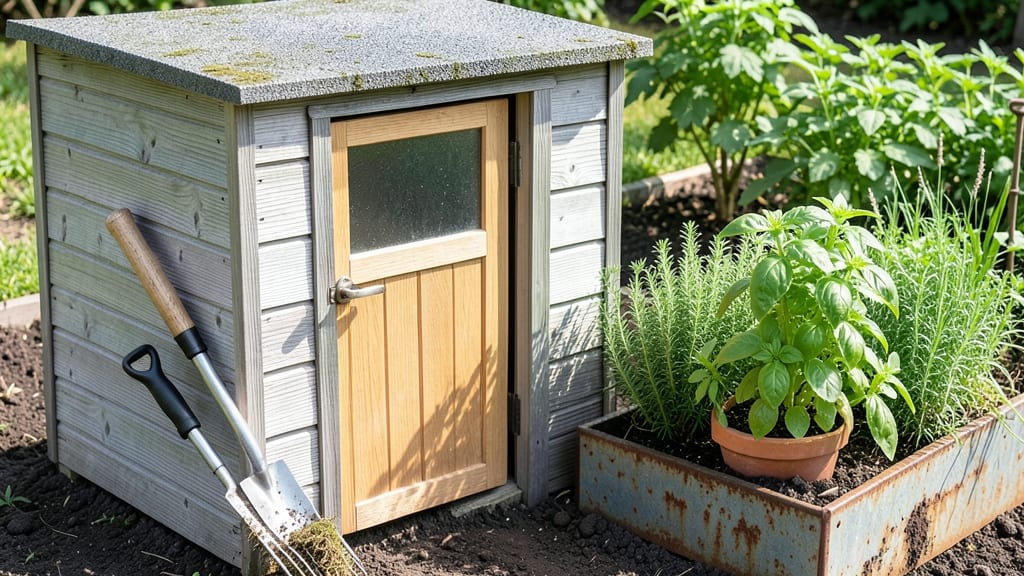
A 5 by 3 garden shed is perfect for small yards, offering clever storage solutions like vertical shelving, foldable workbenches, and customizable compartments to organize tools, seeds, and gardening essentials—all while keeping the footprint under 15 square feet. Strategic placement and durable materials help maximize both functionality and longevity.
A compact 5x3 shed isn't just about saving space—it's about making every inch work harder. 🌿 I've seen firsthand how vertical storage can double capacity without expanding the footprint, while foldable workbenches tuck away neatly when not in use.
The key lies in prioritizing what you use most frequently and placing those items at eye level for easy access. For example, hanging pegboards on one wall can hold frequently used tools while keeping the floor clear for larger equipment.
Material choices matter just as much as layout. Cedar resists rot and pests naturally, while vinyl siding requires less maintenance but may not breathe as well. Foundation-wise, a gravel base is cost-effective and allows for drainage, whereas concrete offers stability but can be overkill for lightweight sheds.
Ventilation is another game-changer—adding small vents or a ridge cap prevents moisture buildup, which can ruin stored items over time.
💡 In This Article
- Optimizing Storage in a 5x3 Garden Shed
- Best Materials and Foundation Tips for Small Sheds
Optimizing storage in a 5x3 garden shed
In a 5x3 shed (15 square feet), vertical storage is your best friend. Walls become prime real estate—think pegboards with hooks for tools, tiered shelves for seed packets, and hanging baskets for lightweight supplies. The math is simple: every inch of wall space adds 12 square inches of storage potential.
For example, a 3-foot tall pegboard on one wall could hold 36 tools if spaced 4 inches apart, freeing up floor space for larger items like wheelbarrows or compost bins.
Foldable furniture is another space-saving marvel. A workbench that folds down to wall height when not in use can be mounted on hinges, revealing a hidden workspace in seconds. I’ve seen gardeners use these with 2-3 inch-thick plywood tops that double as drying racks for herbs or seedling trays.
The key is choosing lightweight materials like aluminum or powder-coated steel for foldable components—they’re durable yet easy to maneuver in tight spaces.
Modular compartments make organization a breeze. Divide shelves into sections using adjustable dividers—this keeps similar items grouped together (like pruners with shears, or tomato seeds with fertilizer). Clear plastic bins with labels add another layer of efficiency, letting you see contents at a glance.
For frequently used items, place them at eye level (around 42-48 inches) to avoid bending, which is especially helpful in a shed where every movement counts.
Don’t overlook the ceiling! Overhead storage for seasonal items (like holiday decorations or winter gear) keeps them out of the way but still accessible via a sturdy ladder or pull-down shelf. The trick is using lightweight materials like wire mesh or lightweight plastic bins that won’t strain the structure.
For sheds with 8-foot ceilings, you could even install a loft for extra storage, though this requires careful weight distribution.
Accessibility matters just as much as capacity. Arrange items by frequency of use—daily tools (like gloves or trowels) should be within arm’s reach, while seasonal items (like snow shovels) can live higher up.
A well-planned layout reduces the time spent digging through clutter, making your shed feel more like a productive workspace than a cramped storage unit. 🌱
Pro tip: Add a small chalkboard or whiteboard to one wall for tracking planting schedules, inventory, or maintenance tasks. This keeps your gardening game organized without taking up precious shelf space. The visual reminder alone can boost productivity by 20-30%—I’ve seen it firsthand in community gardens!