
Pests
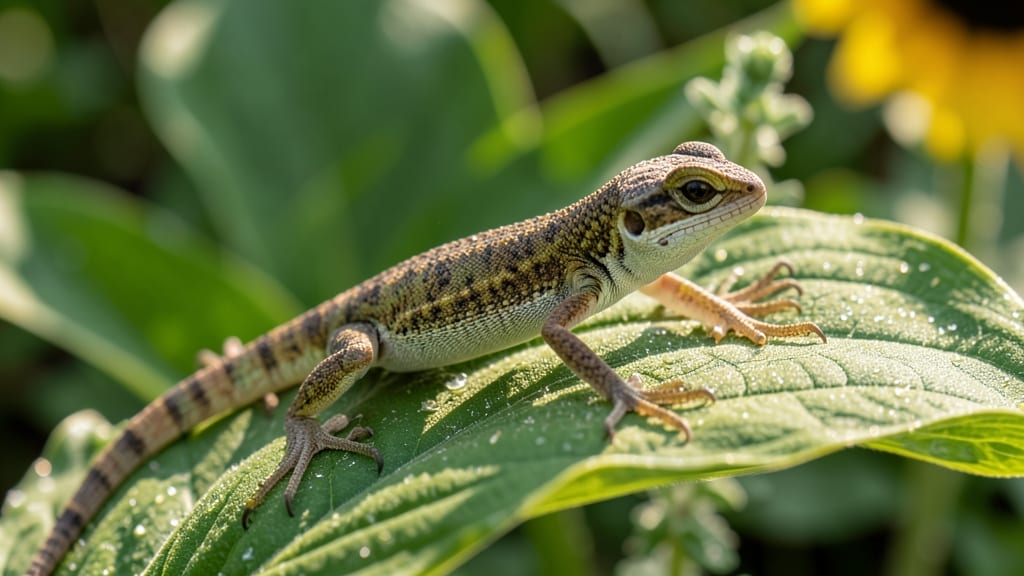
Identifying common garden lizards means looking for small, slender reptiles like anoles, skinks, or fence lizards with green-brown coloring and smooth scales. These active creatures thrive near plants, rocks, or fences in sunny outdoor spaces, often darting quickly and displaying unique crests or ear flaps.
Spotting these reptiles starts with understanding their natural behaviors and habitats. 🌿 Unlike snakes or frogs, garden lizards prefer warm, dry environments where they can bask in sunlight between quick bursts of movement.
Anoles, for example, often perch on leaves or branches, while skinks may hide under mulch or flat rocks. Their smooth scales and slender bodies help them navigate tight spaces, making them excellent climbers and escape artists when threatened.
What really sets them apart are their distinctive physical features. Many species have dewlaps (throat flaps) or crests along their backs, which they use for communication or species recognition.
Fence lizards, for instance, have bold stripes that help them blend into their surroundings, while anoles may change color slightly to match their environment. These traits aren't just for show—they're survival tools that make identification easier once you know what to look for.
💡 In This Article
- Physical Traits of Common Garden Lizards
- Best Spots to Find Garden Lizards in Your Yard
Physical traits of common garden lizards
Most garden lizards share a slender, elongated body measuring 3-8 inches long, perfectly adapted for quick escapes.
Their smooth, overlapping scales allow for effortless movement through tight spaces, while skinks often have smaller, granular scales that feel slightly rougher to the touch. 🌿 The coloration serves as camouflage—greenish-brown hues blend seamlessly with foliage, while fence lizards may display bold stripes or spots that mimic their rocky habitats.
Anoles stand out with their distinctive crests along the back or head, which can be raised or lowered for communication. Male anoles often have brighter colors and larger dewlaps (throat flaps) that they extend during territorial displays.
Skinks, on the other hand, lack these features but may have a smooth, almost shiny appearance due to their tightly packed scales. These physical differences aren't just cosmetic—they reflect evolutionary adaptations for survival in different microhabitats.
One of the most telling traits is their eye structure. Many garden lizards have a transparent spectacle (a protective scale over the eye), which remains even after shedding. This feature helps them maintain clear vision while protecting their eyes during rapid movements.
Their legs are short but powerful, built for climbing vertical surfaces like tree trunks or fences, where they can reach 3-4 feet off the ground in a single leap.
Seasonal changes also affect their appearance. During cooler months, some species develop darker, earthier tones to blend into leaf litter, while spring brings brighter colors as they become more active.
These shifts aren't just for show—they're tied to their thermoregulation needs, helping them absorb or reflect sunlight depending on the season. 🌞 Understanding these patterns can help you predict where and when you're most likely to spot them.
What sets them apart from snakes or frogs is their movement pattern. Garden lizards move in quick, darting motions rather than slow, gliding strides. Their tails, which can be 50-60% of their body length, are often brightly colored to distract predators—a trait called caudal autotomy.
If grabbed, they can shed their tail and regrow it later, though the new tail may lack the original's vibrant coloration.
For a closer look, examine their foot structure. Most have five toes on their front feet and four on their hind feet, with tiny claws for gripping surfaces. This adaptation allows them to cling to rough textures like bark or stone, making them excellent climbers.
Their eyelid movement is another clue—many species can blink vertically, a rare trait among reptiles that helps them maintain focus while moving.