
Advice
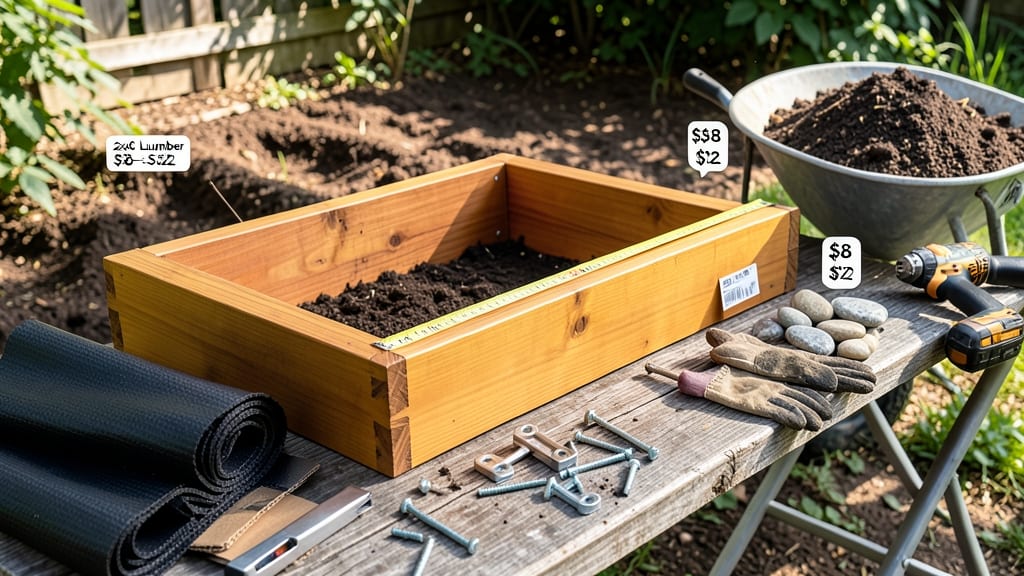
The cost to make a raised garden bed ranges from $100 to $500, depending on size (4’x8’ beds typically cost $150–$300), lumber type (cedar or redwood is pricier than pine), and whether you build it yourself or purchase a pre-made kit. Don't forget to budget an extra $20–$100 for soil and liner.
The cost to build your own raised bed can vary widely based on your location and material choices. 🌱 For example, purchasing pre-cut lumber from a home improvement store might save time but could cost more than buying rough-cut boards and cutting them yourself.
Cedar and redwood last longer but come at a premium, while pine is budget-friendly but requires more frequent replacements. I've found that repurposing materials like cinder blocks or old pallets can cut costs significantly while still creating a functional bed.
Another key factor is the bed's dimensions—larger beds require more materials, but they also allow for better plant spacing and reduced soil costs per square foot. Adding a hardware cloth liner to prevent burrowing pests adds minimal expense but can save you from future headaches.
Whether you're a beginner or a seasoned gardener, planning your materials carefully can help you stay within budget while creating a beautiful and productive garden space.
💡 In This Article
- Raised Garden Bed Cost Factors by Material Type
- DIY vs Pre-Made Raised Garden Beds: Cost-Saving Strategies
Raised garden bed cost factors by material type
Your choice of lumber directly impacts both upfront cost and long-term durability. Cedar planks—often the premium choice—cost $4–$8 per board foot, while redwood can reach $10–$15 per board foot due to natural rot resistance.
Pine, the budget option at $1.50–$3 per board foot, requires 2–3 years of weatherproofing (like cedar oil treatments) to prevent warping. For a 4’x8’x12” bed, cedar framing costs $200–$300, while pine drops to $80–$120—but expect to replace it after 5–7 years.
Hardware costs add $15–$40 to your total, depending on whether you use galvanized screws ($0.50–$1 each) or heavy-duty corner brackets ($3–$8 each). A 4’x8’ bed needs about 40 screws and 4 brackets, pushing hardware to $25–$50.
Composite lumber (like Trex) eliminates rot concerns but jumps to $10–$15 per linear foot, making your 4’x8’ bed cost $320–$480—a 50% premium over cedar but with 20+ years of lifespan.
Bed dimensions dramatically affect material quantities. A 2’x4’ bed uses 16 board feet of cedar ($64–$128), while a 4’x8’ bed needs 48 board feet ($192–$384). The 12” height standard balances soil volume (enough for deep-rooted veggies) with material waste.
Adding 2” of soil per year (to maintain fertility) means a 4’x8’ bed needs 1.5 cubic yards of soil over 5 years, costing $60–$120 total.
Durability tradeoffs matter long-term. Cedar beds last 10–15 years untreated, while pressure-treated pine (cheaper at $1.20–$2.50 per board foot) may only survive 7–10 years due to chemical breakdown.
Composite beds eliminate rot entirely but cost $1,000+ for larger installations. For budget-conscious gardeners, cedar corners + pine sides (a $120–$180 hybrid approach) balances cost and longevity.
Don’t overlook hidden costs like bed leveling or drainage. Uneven beds require extra gravel or sand ($10–$30), while adding a perforated drainage pipe ($15–$25) prevents waterlogging. These extras add 5–10% to your total but protect your investment.
For example, a $200 pine bed with $25 in drainage becomes a $225 system that lasts 30% longer than a basic build.
Pro tip: Buy lumber in 8-foot lengths and cut to size yourself—this saves 15–20% over pre-cut boards. A circular saw rental ($40–$60/day) pays for itself if you build multiple beds. 🔨