
Planting
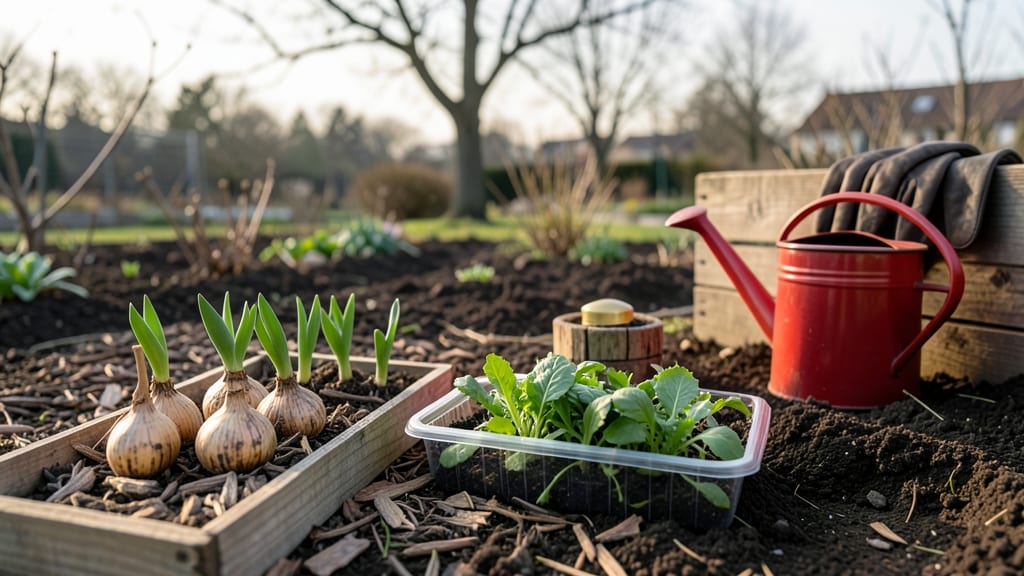
Gardeners in Zones 7-10 can start planting seeds and bulbs now, with cool-season crops like lettuce and peas thriving in early sowings. Warmer climates (Zones 9-10) should prioritize heat-resistant bulbs like dahlias, while Zones 5-6 must wait until late winter or spring for frost-sensitive varieties.
Now's the perfect time to kickstart your garden in warmer regions, but timing matters most for frost-sensitive plants. 🌱 The key is matching your local hardiness zone to the right varieties—cool-season crops like spinach and kale actually prefer the mild temperatures we're seeing now, while tender bulbs need to wait until after the last frost.
I always check my local frost date calendar before planting anything that can't handle a light freeze, especially in Zones 7-8 where temperatures can still dip unexpectedly.
For container gardens or raised beds, you've got more flexibility to extend the growing season, but soil temperature is your best guide: aim for at least 50°F for most seeds to germinate properly.
What many gardeners overlook is how microclimates can shift planting windows by weeks.
A north-facing bed stays cooler longer than a south-facing one, which might be ready for warm-season crops earlier. 🌿 If you're unsure, start with fast-growing seeds like radishes or arugula—they'll tell you quickly if your conditions are right.
And remember, bulbs planted now in Zones 7-10 will establish roots before summer heat arrives, giving them a strong head start for next season's blooms.
💡 In This Article
- Zone-Specific Seed and Bulb Planting Guidelines
- Best Early-Season Seeds and Bulbs for Now
Zone-specific seed and bulb planting guidelines
The USDA Plant Hardiness Zone Map divides the country into 13 zones based on average minimum winter temperatures, but for seed and bulb planting, it's the soil temperature and frost risk that truly matter.
In Zones 7-10, where daytime temperatures are already climbing toward 60-75°F, cool-season crops like lettuce and spinach can be sown now because their ideal germination range is 40-75°F.
However, bulbs like tulips and daffodils need to wait until after the last frost (typically 2-4 weeks before your average last frost date) to avoid winter kill.
Here's what's happening underground: Seeds need consistent soil temperatures above 50°F to germinate, while bulbs require a period of dormancy followed by warm soil to break dormancy. In Zone 9-10, where frost is rare, you can plant heat-tolerant bulbs like dahlias now—they'll establish roots before summer heat arrives.
But in Zone 7, where late frosts still occur, even cold-hardy bulbs like crocuses should wait until soil temperatures stabilize above 55°F for 24 hours.
Microclimates create local variations that can shift planting windows by 2-4 weeks. A sheltered south-facing bed might warm up enough for warm-season crops like beans (60°F+ soil) weeks before a shady north-facing area.
To test your soil temperature, use a simple soil thermometer—insert it 2 inches deep in the morning when temperatures are coolest. If it reads below 50°F, wait a few more days before sowing seeds.
Frost risk is the biggest wild card. Even in Zone 8, where average last frost dates are in mid-March, late frosts can still occur in April. That's why I always check the 30-day frost probability forecast from the National Weather Service before planting frost-sensitive crops.
For bulbs, this means waiting until after your local average last frost date—even if your soil is warm enough, a sudden 28°F dip can damage emerging shoots.
Container gardens offer more flexibility because you can move pots to protected areas during cold snaps. If you're using containers, choose varieties with shorter growth cycles like bush beans (50-60 days) or radishes (25-30 days) to maximize your planting window.
The key is monitoring both air and soil temperatures—seeds need warm soil, but seedlings need warm air to thrive.
One common mistake is planting bulbs too early in Zones 7-8. While they can handle cooler soil, they won't establish strong roots until temperatures rise.
For example, tulip bulbs planted in 50°F soil will grow slowly compared to the same bulbs planted in 60°F soil, resulting in weaker blooms next season. The solution?
Plant bulbs in stages—start with early bloomers like crocuses now, then add tulips and daffodils 2-3 weeks later when soil temperatures are more consistent.
For gardeners in Zones 5-6, the wait is worthwhile. These zones typically see their last frost in mid-to-late April, giving you a 6-8 week window to prepare soil and start seeds indoors. The advantage?
You can get a jump on the growing season by starting cool-season crops like broccoli and cabbage indoors 6-8 weeks before your last frost date, then transplanting hardened-off seedlings after the danger of frost has passed.