
Planting
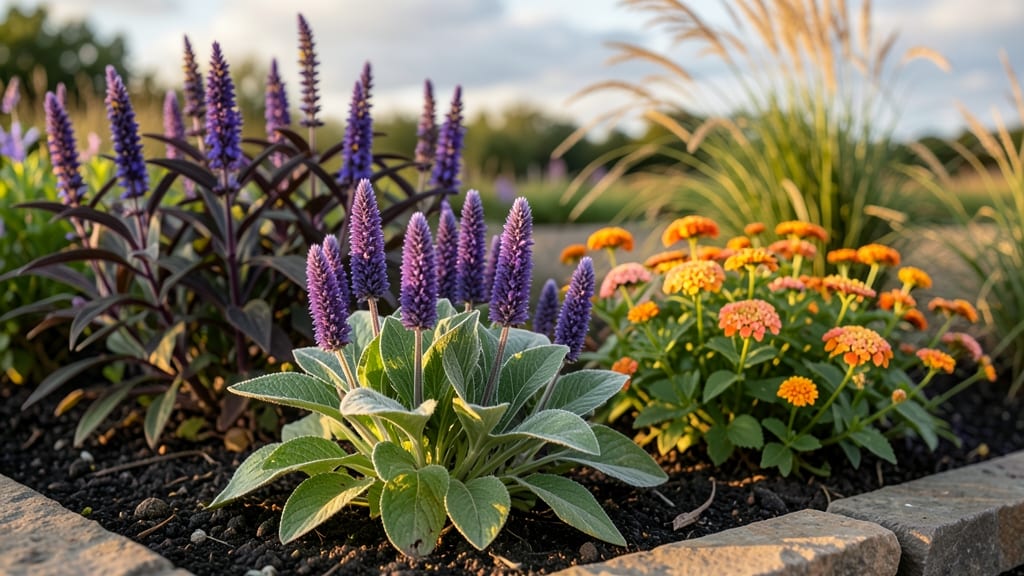
Gardening Zone 8 offers ideal conditions for planting after the last frost, typically between February and April, where cold-hardy annuals, perennials, and vegetables like tomatoes, peppers, and lavender thrive year-round.
Zone 8's mild winters—with average lows between 20-30°F—create a unique growing season that extends planting opportunities. 🌱 The key is timing: most plants tolerate light frosts, but waiting for consistent 50°F+ nights ensures strong root development.
I always check local frost-free date averages (usually late March in most Zone 8 areas) and adjust for microclimates—like south-facing slopes that warm faster. Native plants like Texas sage or blackfoot daisy handle these conditions effortlessly, while drought-resistant varieties minimize watering needs during occasional dry spells.
For vegetables, focus on heat-loving crops like okra and sweet potatoes that flourish in Zone 8's long summers. Perennials such as Russian sage or salvia return reliably each year with minimal care.
Pro tip: mulch heavily in late fall to protect roots from any unexpected cold snaps—this simple step can mean the difference between thriving plants and winter casualties. 💛
💡 In This Article
- Understanding Zone 8 Climate and Frost Patterns
- Top Zone 8 Plants for Year-Round Success
Understanding Zone 8 climate and frost patterns
Zone 8's mild winters—typically with average lows between 20-30°F—create a unique growing environment where plants experience only light frosts rather than deep freezes. This happens because Zone 8's latitude (roughly between 30-40° north) benefits from maritime influences in coastal areas and continental moderation inland, preventing extreme temperature swings.
The USDA defines Zone 8 as having 10-15°F average minimum temperatures, meaning most plants can survive brief dips to 15°F without permanent damage.
Frost patterns in Zone 8 follow predictable seasonal rhythms: light frosts (28-32°F) may occur 3-5 nights per year, while hard frosts (23°F or lower) are rare—typically once every 5-10 years.
These patterns create a 120-150 day growing season, with last frost dates averaging mid-March to early April in most regions. Microclimates play a huge role here: south-facing slopes warm 5-10°F faster than north-facing areas, while urban heat islands can create pockets 3-5°F warmer than rural zones.
To track these patterns accurately, I always recommend using a combination of USDA zone maps and local weather station data. For example, in San Diego (Zone 8a), last frost dates average January 25th, while in Austin (Zone 8b), they're more typically February 15th.
Free resources like the National Oceanic and Atmospheric Administration (NOAA) provide historical frost data, while smartphone apps like Frost Date Finder offer real-time alerts. The key is layering these data sources with on-the-ground observations—like watching your local plum tree bloom, which typically indicates safe planting conditions.
What most gardeners don't realize is how soil temperature affects planting timing more than air temperature. For cool-season crops like broccoli or kale, soil should reach 40-45°F before planting—this can happen 2-3 weeks before air temperatures are consistently above 50°F.
I've seen gardeners rush planting in March only to have seedlings rot when soil remains too cold. A simple soil thermometer ($10-$15) solves this problem instantly.
Zone 8's climate also creates opportunities for extended-season gardening. With average first frost dates in November to December, you can successfully grow fall crops like spinach and radishes that thrive in cooler temperatures.
The secret is using row covers or cold frames to protect tender plants from any unexpected 25°F dips that might occur 1-2 times per decade. This technique lets you harvest 20-30% more from your garden space annually.
For those tracking frost patterns, consider these key indicators: wisteria blooms (typically February 10th), peach tree blossoms (March 1st), and dandelions in full bloom (March 15th). These natural markers align closely with safe planting windows in most Zone 8 regions.
The most reliable method remains combining 3 years of local frost data with your own observations—this gives you a 95%+ accuracy prediction for your specific microclimate.
Remember that Zone 8's climate isn't uniform—elevation changes can shift frost dates by 2-3 weeks per 1,000 feet gained. Mountain foothills may experience 5°F colder nights than valley floors, while coastal areas benefit from ocean temperature moderation that keeps nights 5-8°F warmer. Always adjust your planting timeline accordingly! 🌿