
Landscaping
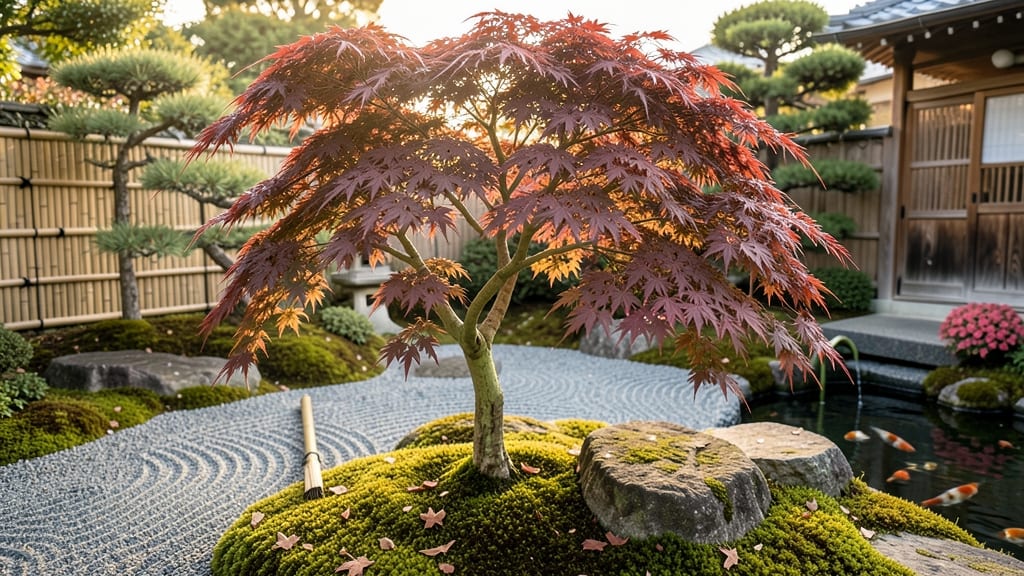
A Japanese garden in Los Angeles provides peaceful retreats that merge traditional Zen aesthetics with Southern California's native landscape, showcasing standout locations like the Getty Center's serene pond and the meticulously crafted Japanese Garden at Descanso. These spaces embody classic design elements such as stone pathways, koi-filled ponds, and carefully sculpted trees including maples and pines.
Los Angeles's Japanese gardens stand out for their ability to harmonize ancient traditions with modern urban living. 🌿 The climate here demands creative adaptations—think drought-tolerant plants and water-efficient irrigation—while still preserving the essence of Japanese garden philosophy.
Many feature lantern-lit pathways and stone lanterns that create magical evening atmospheres, perfect for reflection or photography.
Beyond their beauty, these gardens serve as cultural bridges, offering visitors a chance to experience wabi-sabi (imperfect beauty) and shiho-en (four-directional balance) firsthand.
The Getty Center's garden, for instance, combines traditional elements with contemporary art displays, while Descanso's garden emphasizes seasonal beauty through cherry blossoms in spring and vibrant autumn foliage.
💡 In This Article
- Design Principles Behind LA’s Japanese Gardens
- Best Japanese Gardens in LA for Seasonal Visits
Design principles behind LA’s Japanese gardens
Japanese gardens in LA are built on centuries-old principles that prioritize harmony with nature and human contemplation. The core concept is wabi-sabi, which celebrates imperfection and transience—seen in weathered stones, asymmetrical arrangements, and moss-covered rocks. Unlike perfectly manicured Western gardens, these spaces embrace natural decay as part of beauty.
For example, the Japanese Garden at Descanso uses field stones (irregularly shaped rocks) placed intentionally to create a sense of age and history, even though they’re carefully selected and placed by hand.
The shiho-en principle (four-directional harmony) guides the layout, ensuring each viewpoint offers balanced visuals. At the Getty Center’s Japanese garden, visitors experience this through the 12-foot-wide koi pond that reflects the surrounding maple trees and black pines, while the lantern-lit stone bridge becomes a focal point from all angles.
The garden’s 1.5-acre size allows for multiple perspectives, from the tea house to the waterfall, each designed to feel like a separate moment of tranquility.
LA’s climate presents unique challenges that require modern adaptations. Traditional Japanese gardens rely on abundant water for ponds and moss, but Southern California’s drought conditions demand innovation.
Many LA gardens now use drip irrigation systems with recycled water and drought-resistant plants like California buckwheat and toyons (native holly) alongside traditional choices.
The Japanese Garden at the Japanese Cultural & Community Center of Northern California in LA, for instance, incorporates gravel gardens that reduce water needs while maintaining the aesthetic of a karesansui (dry landscape) style.
Another key adaptation is the use of native flora that thrives in LA’s Mediterranean climate. While traditional gardens might feature Japanese maples or azaleas, LA versions often blend these with coast live oaks and manzanita shrubs to create a seamless fusion of cultures.
The Getty’s garden, for example, includes California sycamores alongside Japanese white pines, demonstrating how these spaces can feel both authentic and locally rooted.
The role of water in these gardens is both symbolic and practical. In traditional designs, water represents purity and the flow of life, but in LA, it’s also a precious resource.
Gardens like Descanso’s use reclaimed water for their koi ponds and waterfalls, while still maintaining the serene soundscape that’s essential to the experience.
The 10-foot-wide pond at Descanso, for instance, is designed with a gentle slope to allow natural filtration, reducing the need for chemical treatments while keeping the water crystal clear.
Finally, the seasonal changes in LA—mild winters and warm summers—allow these gardens to showcase different elements year-round. Spring brings cherry blossoms in full bloom, autumn delivers vibrant maple foliage, and winter offers the contrast of bare branches against lush greenery.
This adaptability is what makes LA’s Japanese gardens so special—they honor tradition while evolving with their environment. 🌿