
Tools
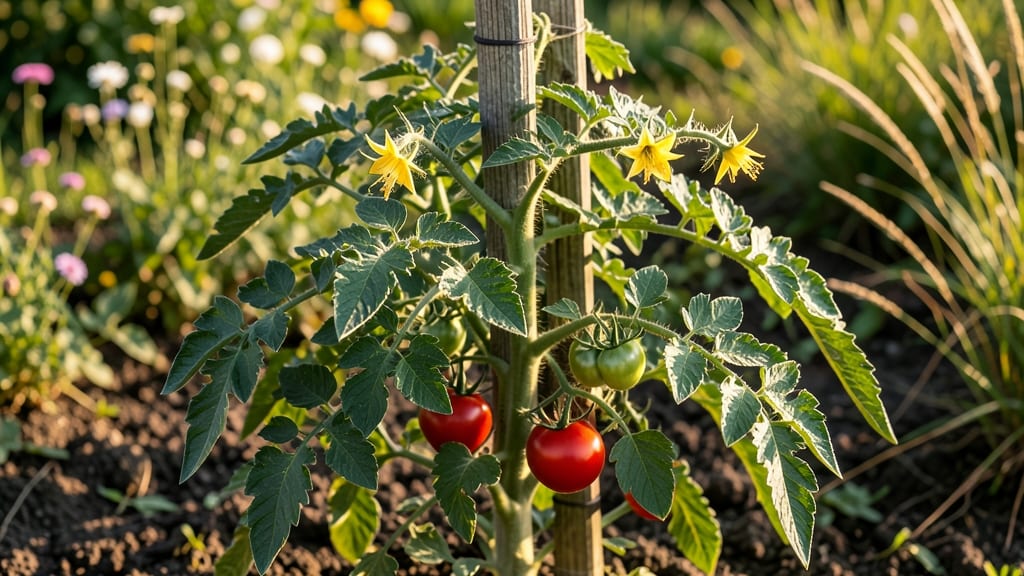
A tomato garden in Vernon, NJ, thrives when planted in USDA Zone 6b, where the last spring frost typically occurs around mid-April and the first fall frost arrives by mid-November. Transplant seedlings only after soil reaches 60°F+—usually between late May and early June.
Vernon’s Zone 6b classification means your growing season is shorter than southern NJ, so timing matters. 🌱 The 60°F soil threshold prevents transplant shock, while the frost-free window (about 180 days) favors fast-maturing varieties like 'Early Girl' or 'Stupice.'
Local gardeners often extend seasons with row covers or choose heat-tolerant types like 'Solar Fire' to combat Vernon’s occasional summer heatwaves.
Microclimates near water bodies or south-facing yards can push planting dates 1-2 weeks earlier, but always monitor soil temps. Pro tip: Test your soil’s pH (aim for 6.0-6.8)—tomatoes thrive in slightly acidic conditions common in NJ’s clay-heavy soils.
💡 In This Article
- Vernon NJ’s Planting Zones and Frost Dates for Tomatoes
- Best Tomato Varieties for Vernon NJ’s Climate
Vernon NJ’s planting zones and frost dates for tomatoes
Vernon, NJ falls squarely in USDA Zone 6b, where winter lows typically dip to 0-5°F but rarely stay there long. This classification means your tomato plants must survive a 180-200 day frost-free window—a shorter season than southern NJ’s Zone 7.
The average last spring frost arrives around April 15-20, but temperatures can still hover near freezing until early May, which is why direct sowing seeds before Memorial Day is risky. 🌱
The real magic happens when soil temperatures climb above 60°F—this threshold signals tomato roots can actively absorb water and nutrients without shock. In Vernon, this usually occurs by late May to early June, but you can speed it up by using black plastic mulch or a cold frame.
A soil thermometer is your best friend here; temperatures below 55°F stunt root growth, while above 70°F accelerates germination. Local weather patterns show Vernon’s summer highs often hit 90°F+, which is why heat-tolerant varieties become essential.
Microclimates in Vernon can shift planting windows by 1-2 weeks. South-facing slopes or urban "heat islands" (like parking lots) warm faster, while low-lying areas near the Passaic River may stay cooler.
Test your spot by placing a 1-foot-tall thermometer in garden soil for 3 days—if it consistently reads 60°F+ by June 1, you’re golden. For late starters, consider fast-maturing varieties like 'Mountain Merit' (65 days) or 'Patio Princess' (55 days), which can still ripen before Vernon’s first frost in mid-November.
Frost dates are your tomato garden’s bookends. The first fall frost typically arrives October 31-November 15, but sudden cold snaps in October can catch unprepared gardeners. To extend your season, use floating row covers or a low tunnel to trap 10-15°F of extra heat.
These methods work because they create a microclimate where air circulates but cold air is blocked—think of it like a blanket for your plants. Even a lightweight fabric can delay frost damage by 2-3 weeks, giving you time to harvest those late-season 'Brandywine' tomatoes.
Here’s the science behind why timing matters: Tomatoes are C3 plants, meaning their photosynthesis slows dramatically below 50°F. When seedlings face cold soil, their roots struggle to absorb water, leading to wilting even if air temps are warm.
This is why transplant shock is worse in Vernon than in warmer zones—your plants are fighting two battles: chilly roots and potential pests like early-season hornworms. 🐛
Pro tip: If you’re eager to start early, try container gardening with 5-gallon pots. These warm up faster than in-ground soil and let you move plants to sunnier spots if frost threatens. Just ensure pots have drainage holes—waterlogged roots in cold soil are a one-way ticket to transplant failure.
For in-ground planting, amend your clay-heavy NJ soil with 3-4 inches of compost to improve drainage and warmth retention.