
Tools
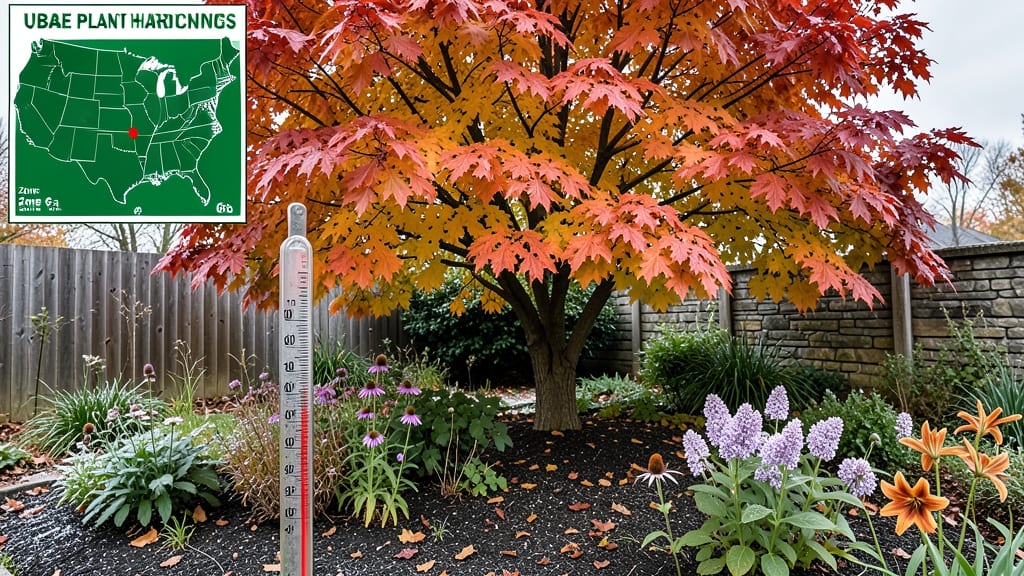
What garden zone is Buffalo, NY located in? It falls under USDA Hardiness Zones 6a and 6b, where winter temperatures typically drop to -10°F to -5°F (-23°C to -21°C). This classification supports a wide range of cold-tolerant plants like hydrangeas, lilacs, and maples, while dictating that spring planting should begin only after the last frost date, usually around mid-May.
Understanding Buffalo's USDA Hardiness Zones 6a/6b helps gardeners select plants that thrive in the region's cold winters and variable spring frost dates.
The lake-effect climate near Lake Erie can create microclimates—areas near the water may experience slightly milder conditions than inland spots. 🌿 For example, while most of Buffalo aligns with these zones, pockets closer to the lake might support marginally hardier plants.
This distinction is crucial when choosing perennials or trees, as even a few degrees can determine whether a plant survives the winter.
This zone classification also influences planting schedules. Most gardeners in Buffalo wait until late April to mid-May to plant cool-season crops, ensuring they avoid late frosts that can damage tender seedlings.
Hardy shrubs like hydrangeas and lilacs thrive here, while vegetables like kale and spinach can be sown early in the spring. Knowing your exact zone helps avoid costly mistakes, like planting tropical species that won't survive Buffalo's winters.
💡 In This Article
- Buffalo NY USDA Zone Breakdown: Temperature Ranges and Frost Dates
- Best Plants for Buffalo NY’s Zone 6 Climate: Cold-Resistant Species Guide
Buffalo NY USDA Zone breakdown: temperature ranges and frost dates
Buffalo's classification as USDA Zones 6a and 6b stems from its average annual minimum temperatures, which range between -10°F (-23°C) and -5°F (-21°C). This means that during the coldest winter nights, temperatures typically won't drop below these thresholds more than a few times per decade.
The USDA zone map calculates these averages over a 30-year period, using data from NOAA weather stations in Buffalo Niagara International Airport and nearby rural areas. This range creates a climate where hardy perennials and shrubs flourish, while more delicate plants struggle.
The first frost in Buffalo usually arrives between October 10-20, signaling the end of the growing season for most annuals. However, the last spring frost—critical for gardeners—occurs between April 15 and May 15, with mid-May being the safest bet for planting tender species.
Lake Erie plays a fascinating role here: areas within 5 miles of the lake often experience delayed frost dates by 1-2 weeks due to the lake's heat retention. This "lake-effect" creates microclimates where marginally hardier plants (like Zone 5 varieties) might survive winters near the water.
Understanding these temperature patterns helps explain why certain plants thrive in Buffalo. For instance, hydrangeas and lilacs—both Zone 3-7 plants—do exceptionally well here because they can handle the -10°F minimum without damage. The key mechanism is their ability to enter dormancy when temperatures drop, protecting their buds and roots.
Even in harsh winters, these plants often rebound spectacularly in spring. 🌸 Meanwhile, tropical plants like bougainvillea (Zone 9+) would perish without winter protection, as they can't tolerate temperatures below 25°F (-4°C).
What most gardeners don't realize is how soil temperature interacts with air temperature in Buffalo's climate.
The ground typically stays 5°F warmer than the air during winter, which is why some Zone 6 plants (like Russian sage) can survive winters here despite being on the edge of the zone's tolerance.
This soil warmth also means spring planting can begin 2-3 weeks earlier than air temperature alone would suggest. For example, cold-hardy vegetables like peas and spinach can often be planted by early April, even when overnight air temps still hover around 30°F (-1°C).
NOAA data reveals another important pattern: Buffalo's winters have become slightly milder over the past 50 years, with the average annual minimum temperature rising by about 2°F (1.1°C). This shift means some Zone 5 plants (like crabapples) now occasionally survive winters in Buffalo's outskirts.
However, this warming trend doesn't erase the need for winter protection—even a -10°F night can still damage unprotected plants. The lesson? Always check a plant's hardiness rating and consider Buffalo's historical lows, not just recent mild winters.
For practical application, this zone breakdown translates to specific planting windows. Most gardeners follow this schedule:
- Early spring (March-April): Plant cold-hardy vegetables like kale and peas when soil reaches 40°F (4°C)
- Mid-May: Safe to plant tender annuals after last frost (typically May 15)
- Fall (September): Plant bulbs like tulips before ground freezes (usually by October 10)