
Light Requirements
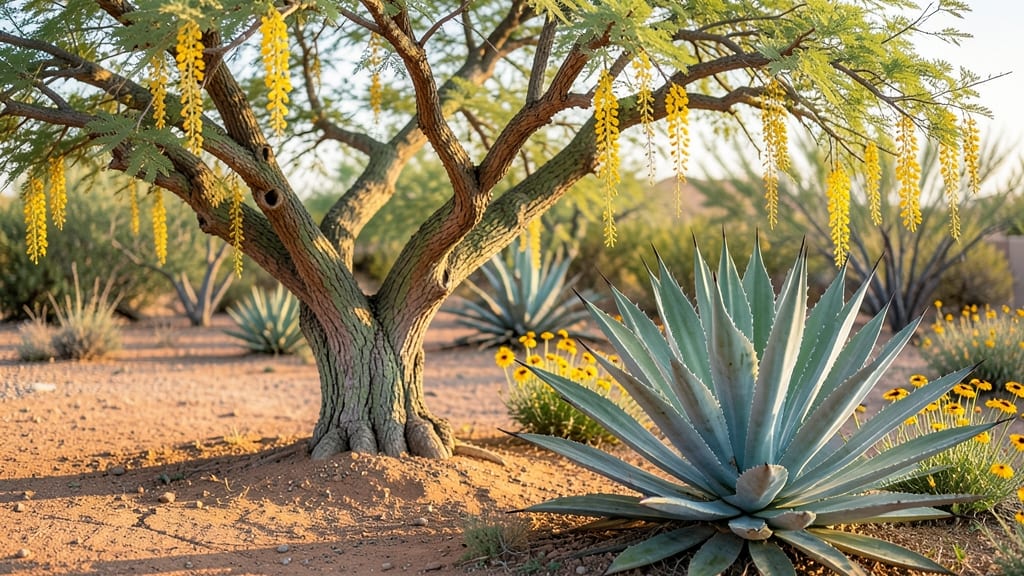
To determine your Arizona gardening zone, consult the USDA Plant Hardiness Zone Map, as Arizona spans Zones 6b through 11a due to dramatic elevation shifts and desert microclimates. These zones directly impact frost dates and plant selection for your specific area.
Understanding your Arizona gardening zone is essential because elevation changes drastically across the state—Flagstaff sits in Zone 7b while Phoenix is in Zone 10a. Microclimates created by desert heat, mountain shadows, and urban heat islands further complicate planting decisions. 🌵 For example, coastal areas like Yuma experience nearly frost-free winters, while higher elevations may still see light frosts.
This variation means you'll need to adjust planting schedules based on your exact location, with spring planting typically starting in March for lower zones but waiting until May in cooler mountain regions.
What's particularly useful is how these zones correlate with Arizona's unique growing seasons. The monsoon season (June-September) brings critical moisture for summer planting, while winter gardening thrives in southern zones where temperatures rarely drop below freezing.
Understanding your specific zone helps you match plants to the right conditions—whether you're growing heat-loving succulents in Phoenix or cold-hardy herbs in Flagstaff.
💡 In This Article
- USDA Plant Hardiness Zones in Arizona: Exact Map Breakdown
- Arizona Planting Timelines by Zone and Season
USDA plant hardiness Zones in Arizona: exact map breakdown
Arizona's dramatic elevation shifts—from the Colorado Plateau at 7,000+ feet to the Sonoran Desert below 1,000 feet—create a unique patchwork of USDA Plant Hardiness Zones.
The state spans Zones 6b through 11a, with the highest elevations (like Flagstaff) in Zone 7b and the hottest desert lowlands (like Yuma) in Zone 11a. This variation means a plant thriving in Phoenix (Zone 10a) might struggle in Prescott (Zone 7a) due to colder winter nights.
The key mechanism here is elevation-driven temperature shifts. For every 1,000 feet gained, temperatures drop about 3.5°F, creating microclimates where adjacent areas can differ by 10°F or more. Desert floors bake under 120°F+ summer sun, while mountain slopes stay cooler.
Even urban areas like Tucson (Zone 9b) experience heat islands where pavement radiates heat, pushing soil temperatures 10-15°F higher than rural zones. This explains why cacti thrive in Zone 10 but may need winter protection in Zone 8.
What most gardeners overlook is how desert heat differs from coastal zones. While coastal areas (like Zone 10a) have milder winters, inland deserts face extreme diurnal swings—100°F days and 40°F nights.
This affects plant selection: Heat-tolerant varieties (like Okra or Black-Eyed Peas) thrive in Zone 11, while cool-season crops (like Kale or Spinach) prefer Zone 7-9. The USDA map doesn't account for these daily extremes, so local frost dates become your best guide.
For precise planning, overlay the USDA map with Arizona's frost-free dates. Northern Arizona (Zones 6b-8a) averages 120-150 frost-free days, while southern Arizona (Zones 9b-11a) often exceeds 240+ days.
This means Zone 10a gardeners can grow tropical plants like Mangoes, while Zone 7b growers must choose cold-hardy varieties like Apples or Pears. The 10-year average last frost date for Phoenix is January 20, but Flagstaff's is May 10—a 4-month difference for spring planting!
Microclimates add another layer: South-facing slopes warm 2-3°F faster than north-facing ones, while shaded canyons can stay 5°F cooler in summer. Even a 50-foot elevation change might shift your zone by half a letter.
For example, Sedona (Zone 7b) sits near 4,500 feet, but its red rock formations create pockets where Zone 8a plants can thrive. This is why local nurseries often recommend zone-adjusting by 1-2 letters for accuracy.
To pinpoint your exact zone, use the USDA Interactive Map and cross-reference with Arizona's AgriLife Extension data. For instance, Tucson (Zone 9b) has 300+ frost-free days, while Page (Zone 7a) has only 180 days.
This data helps you match plant maturity times to your growing season—critical for warm-season crops like Tomatoes or Peppers, which need 90-120 days to harvest in Zone 7 but only 60-80 days in Zone 10.
Remember: Zone labels are just starting points. Your yard's microclimate—sun exposure, wind patterns, and soil type—often matters more than the official zone. Start with the map, then observe your garden's behavior for 3 years to refine your planting strategy. 🌵