
Planting
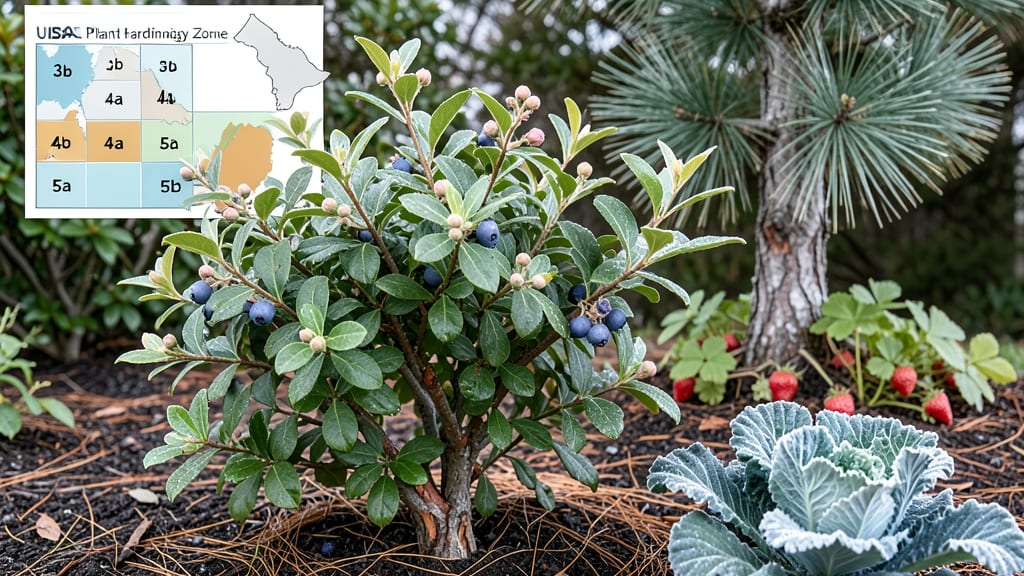
Maine's gardening zones include primarily USDA Zones 4 and 5, with coastal regions typically in Zone 5 and inland areas extending into Zone 4. These classifications help gardeners determine frost dates and select appropriate plants for the state's climate.
Maine's varied geography creates these distinct zones—coastal areas benefit from the ocean's moderating influence, while inland regions experience colder winters. 🌿 For example, Portland usually falls in Zone 5, while Bangor sits firmly in Zone 4.
Understanding these differences helps you choose plants that thrive in your specific microclimate, from hardy perennials to cold-resistant annuals.
These zones also dictate your planting schedule: most gardeners in Zone 4 can start outdoor planting around May 15, while Zone 5 areas might begin two weeks earlier.
The last average frost dates vary dramatically—some coastal areas see their final frost as early as May 10, while inland regions may wait until June 1.
💡 In This Article
- Understanding Maine’s USDA Zones 4 and 5 Climate Characteristics
- Best Plants for Maine’s Gardening Zones and Planting Timelines
Understanding Maine’s USDA zones 4 and 5 climate characteristics
Maine's USDA Zones 4 and 5 classification stems from its dramatic climate contrasts. The state's northern latitude (43°-47°) and elevation variations create microclimates where temperatures can shift 10°F or more within just 50 miles.
Coastal areas like Bar Harbor experience milder winters due to the Gulf of Maine's moderating influence, while inland regions like Presque Isle face harsher conditions with longer frost periods.
This oceanic effect can push coastal zones into Zone 5, where average minimum winter temperatures hover around -15°F to -20°F, compared to Zone 4's -20°F to -30°F.
The elevation plays a critical role too—every 1,000 feet gain typically drops temperatures by 3.5°F. That's why Mount Katahdin's summit (5,269 ft) experiences Zone 3 conditions despite being in the same state.
These temperature variations directly impact plant hardiness: a Zone 5 plant might thrive in Portland but freeze in Bangor just 100 miles north.
The growing season also compresses—coastal areas enjoy 160-180 frost-free days, while inland regions often see just 120-140 days, forcing gardeners to select fast-maturing varieties or extend seasons with cold frames.
What makes Maine's climate particularly challenging is the unpredictable spring transitions. The average last frost dates vary wildly—coastal Portland typically sees its final freeze around May 10, while inland Caribou may wait until June 15.
This variability forces gardeners to use heat-sensitive plants like tomatoes and peppers as late as June 1 in colder zones, or risk losing them to late frosts. The first fall frost arrives just as unpredictably, often between September 15 and October 15, depending on location.
These zone distinctions also affect soil characteristics. Coastal areas develop sandy, well-draining soils influenced by ocean spray, while inland regions feature heavier clay loams that retain moisture longer.
The pH varies too—coastal soils often test 6.0-6.5 (slightly acidic), while inland areas can reach 5.0-5.5, requiring lime amendments for optimal plant growth. These soil differences mean a plant thriving in one zone might struggle in another due to both temperature and soil chemistry interactions.
Understanding these climate patterns helps explain why Maine gardeners must be strategic. For instance, while Zone 5 areas can reliably grow peonies and lilacs, Zone 4 regions need more cold-hardy alternatives like Siberian iris or Russian sage.
The same logic applies to vegetables—kale and Brussels sprouts thrive in both zones, but heat-loving crops like sweet corn require careful variety selection for northern areas. These distinctions create Maine's unique gardening puzzle where location-specific knowledge becomes your greatest tool.