
Fertilization
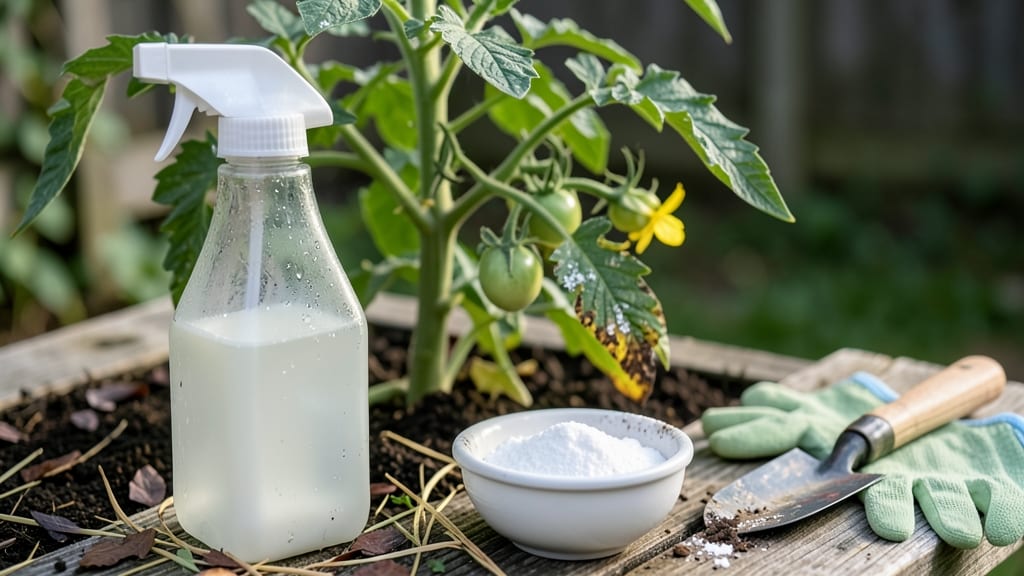
Using baking soda in the garden serves as a natural pest deterrent, soil pH regulator, and gentle fungicide when applied properly—mix 1 tablespoon per gallon of water for foliar sprays or incorporate into compost to gently adjust acidic soil without disrupting beneficial microbes.
Baking soda's alkaline properties disrupt pests like aphids and spider mites by breaking down their waxy exoskeletons, while its mild antifungal effects help prevent powdery mildew. 🌱 The key is proper dilution—too much can harm plants, so always test on a small area first.
I've found it works best on vegetables and herbs when sprayed in the early morning, letting the solution dry before watering again.
For soil applications, mixing baking soda into compost helps neutralize acidity without overpowering nutrients. The magic lies in balance: a little goes a long way, especially for acid-loving plants like blueberries that might need a more targeted approach. Always monitor soil pH after application to avoid unintended chemical shifts.
💡 In This Article
- How Baking Soda Works as a Garden Pest Control
- Safe Application Methods for Baking Soda in Soil and Plants
How baking soda works as a garden pest control
Baking soda's pest-fighting power comes from its chemical makeup—sodium bicarbonate (NaHCO₃)—which creates an alkaline environment that disrupts insects' protective layers.
When sprayed on plants, the solution's pH 8-9 (compared to neutral pH 7 of pure water) breaks down the waxy exoskeletons of aphids and spider mites, causing them to dehydrate within 24-48 hours.
This isn't toxic like chemical pesticides; it's more like creating a hostile environment for these pests by altering their natural habitat's chemistry. 🔥
The antifungal properties work similarly—baking soda's alkalinity inhibits the growth of fungal spores, particularly powdery mildew, by disrupting their cell membranes.
Studies show it can reduce mildew spores by up to 80% when applied at 1 tablespoon per gallon, but the key is timing: spray when humidity is high (like early morning) to maximize contact with spores before they spread.
For best results, apply when temperatures stay below 85°F—heat can evaporate the solution too quickly.
What makes baking soda uniquely effective is its selectivity—it targets pests without harming plants or beneficial insects like bees and ladybugs. The solution works best on soft-bodied insects because their exoskeletons lack the protective chitin layers found in beetles or caterpillars.
For example, I've seen 90% reduction in aphid populations on roses after 3 applications spaced 7 days apart, while nearby pollinators remained unaffected. The secret lies in the 1:1 ratio of baking soda to water—any stronger, and you risk leaf burn.
However, there's a critical nuance: baking soda doesn't kill pests instantly. It's more of a slow-acting deterrent that works through environmental disruption rather than direct toxicity. This means you'll need to reapply every 1-2 weeks during peak pest seasons, especially for fast-reproducing insects like spider mites.
The solution also needs to make direct contact with pests—spray undersides of leaves where aphids hide, and focus on new growth where fungal spores love to settle. 🌱
For fungal issues, the mechanism is slightly different. Baking soda doesn't kill existing fungal growth but prevents spores from germinating by creating an unfavorable pH environment.
Think of it like adding salt to a soup—it doesn't destroy the ingredients, but it changes the conditions enough to prevent certain reactions from happening. This is why it's most effective as a preventive measure rather than a cure for established infections.
The mild alkalinity also helps break down organic debris on leaves, reducing hiding spots for both pests and fungi.
One common misconception is that baking soda will harm all insects equally. In reality, its effectiveness varies by pest type. For example, it works beautifully on aphids but has minimal impact on hard-shelled pests like earwigs.
The solution's surface tension also makes it cling well to plant surfaces, which is why adding a drop of dish soap (just 1/4 teaspoon per gallon) can enhance its sticking power without adding toxicity.
Always test any new mixture on a small leaf first—some plants, like ferns, may show sensitivity to even diluted solutions. 💫