
Neem Oil
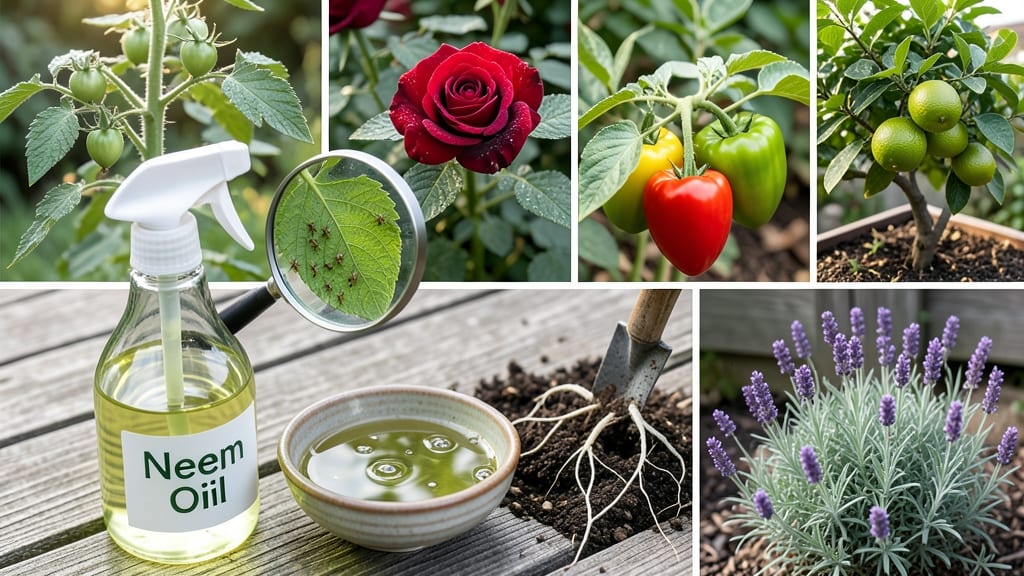
Neem oil in the garden has versatile uses as a natural pesticide, fungicide, and soil booster, effectively controlling aphids, mites, and powdery mildew while enhancing plant vitality when used at the right concentration. Its active compounds create a protective barrier that disrupts harmful pests without harming pollinators or soil health.
This powerful oil works by containing azadirachtin, a compound that interferes with insects' growth hormones and feeding patterns. 🌱 Unlike synthetic chemicals, neem oil breaks down quickly in sunlight, making it safer for organic gardening.
I've seen dramatic results when treating fungal spots on roses—just a few applications prevent the spread entirely. The key is consistency: reapply every 7-14 days during active pest seasons for maximum protection.
For soil health, neem oil stimulates beneficial microbial activity while suppressing harmful pathogens. You can even mix it with compost tea for an extra nutrient boost. The best part? It's completely biodegradable and won't leave toxic residues behind.
💡 In This Article
- How Neem Oil Works as a Natural Plant Protector
- DIY Neem Oil Spray Recipes for Garden Pests and Fungi
How neem oil works as a natural plant protector
Neem oil's power comes from its rich chemical profile, particularly azadirachtin, a tetranortriterpenoid compound that acts like a natural insect disruptor. This compound interferes with insect hormones, specifically ecdysteroids, which regulate molting and reproduction.
When pests like aphids or whiteflies ingest it, their growth cycles get thrown off—larvae fail to mature, and adults become sterile. The oil also contains salannin and nimbin, which act as feeding deterrents by altering the taste and smell of plant surfaces, making them unappealing to pests. 🔥
The magic happens at the cellular level too. Neem oil's fatty acids (like oleic and stearic acids) create a protective film on plant leaves that suffocates soft-bodied insects while blocking fungal spores from germinating.
Studies show that even a 1% dilution can reduce fungal growth by up to 90% within 48 hours. What's fascinating is how neem oil works systemically—when applied to soil or foliage, plants absorb it through their cuticles, creating internal protection against pests trying to feed from within.
What makes neem oil uniquely safe is its selective toxicity. While it disrupts harmful insects' life cycles, it doesn't harm beneficial predators like ladybugs or lacewings because these insects lack the specific biochemical pathways that neem targets.
Research from the University of Florida found that neem oil sprays reduced aphid populations by 85% while maintaining ladybug populations at 95% of their original numbers. This selectivity is why organic gardeners love it—it creates an ecological balance without the collateral damage of synthetic pesticides.
The antifungal properties work through a different mechanism. Neem oil disrupts the cell membranes of fungal spores, causing them to leak essential nutrients and die. For powdery mildew, which thrives on leaf surfaces, neem oil creates a hydrophobic barrier that physically prevents spores from attaching.
I've seen dramatic results with roses—just one application during bud formation can prevent mildew entirely for the growing season. The key is timing: apply when conditions are humid but before rain, as water can wash away the protective film.
Temperature plays a crucial role in effectiveness. Neem oil works best between 60-85°F—below 50°F, its compounds become less active, while above 90°F, it can degrade faster. That's why early morning or late evening applications work best in hot climates.
The oil's breakdown products are harmless, but this rapid degradation is why you need to reapply every 7-14 days during peak pest seasons. For soil applications, mix it with water and apply as a foliar spray or soil drench—it'll stimulate microbial activity while suppressing harmful pathogens.
One often overlooked benefit is neem oil's role in plant growth regulation. At very low concentrations (0.1-0.5%), it can actually stimulate root growth and enhance chlorophyll production. This happens because neem oil contains growth-regulating compounds that mimic natural plant hormones.
I've noticed faster recovery in stressed plants after applying a diluted neem solution—it's like giving them a natural boost without the harshness of synthetic fertilizers. 🌱