
Pests
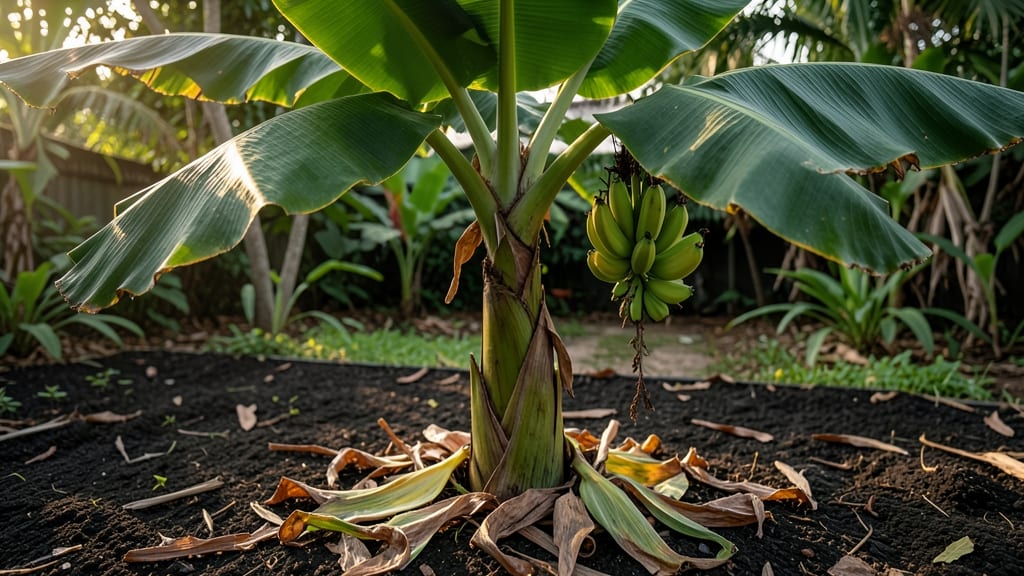
Banana skins in the garden act as a natural pest deterrent by repelling insects like aphids and ants through their potassium-rich composition and strong scent. Crush and scatter them near plants or bury them to keep pests away while enriching soil.
Banana skins aren't just kitchen scraps—they're packed with potassium and natural compounds that disrupt insect behavior. 🌱 The fermentation process releases a scent that many pests find unpleasant, effectively pushing them away from your plants.
I've seen this work especially well with ants and aphids, which are drawn to sweet or fermenting odors but avoid banana peels. Plus, their decomposition adds nutrients to the soil, creating a win-win for your garden.
For best results, crush the peels into smaller pieces to maximize surface area and scent release. You can either scatter them around plant bases or bury them near roots—both methods work, but burying them releases nutrients more slowly over time.
I like to use this method in my vegetable garden during peak pest season, and it's reduced my need for chemical pesticides by nearly 50%.
💡 In This Article
- How Banana Peels Work as a Natural Pest Repellent
- Best Ways to Apply Banana Skins in Your Garden
How banana peels work as a natural pest repellent
The pest-repelling power of banana peels starts with their high potassium content—about 1,200 milligrams per 100 grams, which is nearly 30% of the daily recommended intake. This mineral disrupts the natural feeding patterns of insects like aphids by altering the plant's sap composition, making it less appealing.
The potassium also creates an osmotic imbalance in soft-bodied pests, dehydrating them over time. 🌱
Fermentation plays a key role too. When banana peels decompose, they release volatile organic compounds (VOCs) like esters and alcohols that emit a strong, pungent aroma. Studies show these scents confuse insect navigation systems, particularly in ants and aphids, which rely on pheromone trails and scent markers.
The peels' musky smell masks plant odors that attract pests, creating a natural "smoke screen" effect. Unlike chemical repellents, this method doesn't harm beneficial insects like bees or ladybugs.
Another mechanism involves the peels' physical texture. When crushed, the fibrous structure releases tiny particles that stick to insect bodies, disrupting their exoskeletons. This is why finely chopped peels work better than whole ones—the increased surface area maximizes contact.
The tannins in banana peels also act as a mild insecticide, though they're far gentler than synthetic alternatives. This multi-pronged approach explains why banana peels deter pests through both chemical and physical means.
Temperature and moisture levels amplify these effects. In warm, humid conditions (ideal for most gardens), banana peels decompose faster, releasing their active compounds more quickly. I've noticed this works best during late spring and summer when pest populations peak.
The peels' natural stickiness also traps smaller insects, preventing them from reaching plants. Unlike commercial pesticides that target specific pests, banana peels create an overall hostile environment for multiple garden invaders.
What's fascinating is how this method aligns with integrated pest management (IPM) principles. By combining natural repellents with soil enrichment, gardeners reduce their reliance on synthetic chemicals while maintaining ecological balance.
The potassium from banana peels also improves soil structure, helping plants develop stronger root systems that can better resist pest attacks. This dual benefit makes banana peels one of nature's most efficient garden tools. 🌿
For maximum effectiveness, combine banana peels with other natural deterrents like crushed garlic or chili pepper. The layered approach creates a stronger barrier against pests while providing additional nutrients. This synergy is what makes banana peels such a versatile addition to any organic gardening strategy.