
Tools
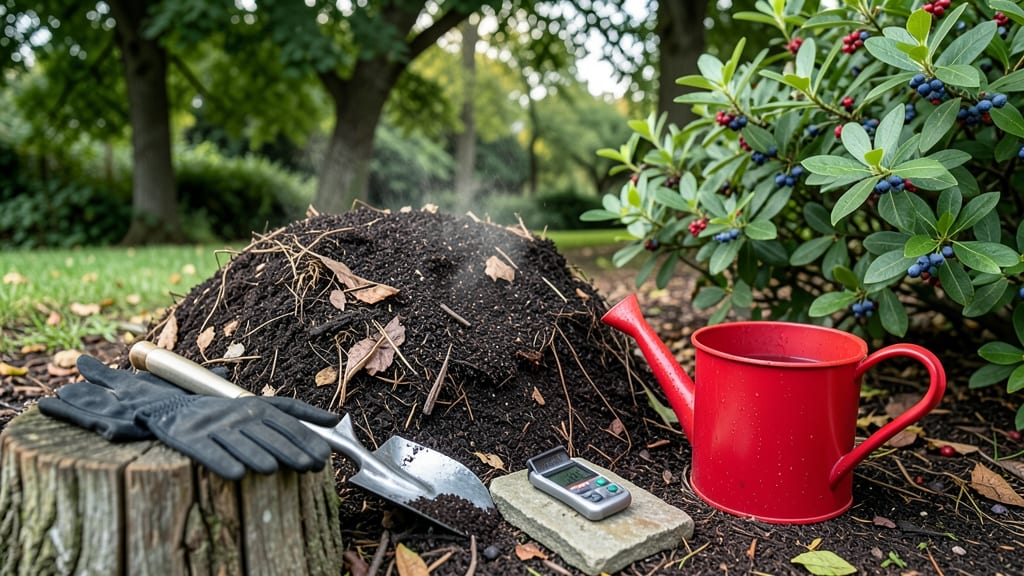
Using Starbucks coffee grounds in your garden enriches soil with nitrogen and organic matter, boosting acid-loving plants like blueberries and azaleas while improving moisture retention and microbial activity. Always compost or dry them first to prevent mold or clumping.
Starbucks coffee grounds are a gardener's secret weapon because they're packed with nutrients that most store-bought fertilizers can't match. 🌱 The nitrogen content helps plants grow lush and green, while the organic matter improves soil structure over time.
I've seen azaleas thrive when I mix dried grounds into their beds—it's like giving them a slow-release fertilizer without the chemical additives. Just remember to balance them with other compost materials to avoid over-acidifying your soil.
For practical application, I recommend mixing 1/4 to 1/2 cup of dried grounds per square foot of soil and working them into the top 2-3 inches.
You can also create a nutrient-rich "coffee tea" by steeping used grounds in water for 24 hours, then using it to water your plants. The key is consistency—don't overdo it, as too much can create an anaerobic environment that harms roots.
💡 In This Article
- How Coffee Grounds Improve Garden Soil Chemistry
- Best Ways to Apply Starbucks Coffee Grounds in Gardens
How coffee grounds improve garden soil chemistry
Starbucks coffee grounds are a nitrogen powerhouse, containing about 2% nitrogen by weight—nearly 10 times more than typical garden soil. This nitrogen feeds plants directly while stimulating microbial activity that breaks down organic matter into plant-accessible nutrients.
The grounds also introduce phosphorus and potassium in smaller amounts, creating a balanced nutrient profile similar to a 5-2-3 fertilizer ratio, though much gentler and slower-release than synthetic options.
The magic happens when these grounds decompose. Microorganisms in the soil consume the organic carbon while releasing enzymes that convert nitrogen into forms plants can absorb. This process also creates humus-like compounds that improve soil structure, increasing water retention by up to 30% compared to untreated soil.
The porous texture of coffee grounds acts like tiny sponges, helping sandy soils hold moisture longer while aerating clay-heavy soils—think of it as nature's soil conditioner.
For acid-loving plants like blueberries or hydrangeas, coffee grounds work wonders because they lower soil pH slightly (by about 0.3-0.5 units over time). A pH of 5.0-6.0 is ideal for these plants, and coffee's natural acidity helps maintain that range without harsh chemicals.
However, this benefit only applies to plants that genuinely need acidic conditions—overuse can harm vegetables like tomatoes that prefer pH 6.0-7.0. The key is moderation!
What sets coffee grounds apart from other organic fertilizers is their dual-action mechanism. While compost or manure primarily feed microbes, coffee grounds feed both microbes AND plants directly. The caffeine content (about 0.5-1.5%) even acts as a natural fungicide, suppressing harmful pathogens like Phytophthora that attack roots.
This makes them particularly effective for container gardens where drainage is limited.
Consider this comparison: A 1-pound bag of dried Starbucks grounds contains roughly 20 grams of nitrogen, equivalent to about 1/4 pound of blood meal—a popular but more expensive organic fertilizer. The difference?
Coffee grounds also provide the organic matter that blood meal lacks, creating a more sustainable soil improvement over time. The trade-off is slower nutrient release, which means you'll need to apply them more consistently rather than all at once.
One often-overlooked benefit is the aroma stimulation coffee grounds provide. The volatile compounds in coffee attract earthworms and beneficial insects like ground beetles, which help break down organic matter and control pests naturally.
I've noticed my compost bins with coffee grounds heat up faster and attract more worms—proof that these grounds are doing double duty as both fertilizer and ecosystem activator. 🌱