
Advice
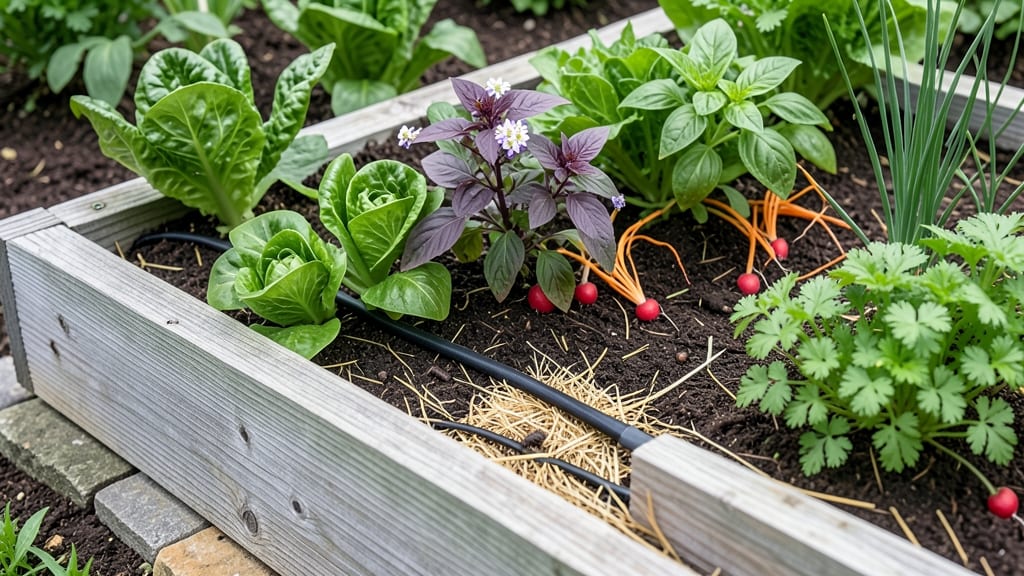
The benefits of raised garden beds include superior drainage, reduced soil compaction, and longer growing seasons from faster soil warming, all while cutting down on weeds and making gardening more accessible. These beds also let you customize soil layers for better nutrient retention and stronger root systems.
Raised garden beds give you complete control over your soil mix, which means you can tailor it to whatever your plants need most. 🌱 Whether you're growing nutrient-hungry vegetables like tomatoes or delicate herbs, the ability to layer compost, sand, and organic matter creates the perfect environment for root development.
Unlike in-ground gardens, you won't deal with poor drainage or clay-heavy soil issues, and the elevated design keeps pests like slugs at bay while making weeding a breeze.
Another huge advantage is how these beds warm up faster in spring, giving you an earlier start to planting. For gardeners with mobility challenges, the raised height also reduces bending and strain, making gardening more enjoyable and sustainable long-term.
Plus, the contained space means less water waste since moisture stays concentrated where the roots need it most.
💡 In This Article
- How Raised Beds Enhance Soil Quality and Plant Roots
- Top 5 Practical Advantages for Gardeners Using Raised Beds
How raised beds enhance soil quality and plant roots
Raised beds create a controlled soil environment where you can precisely layer materials to optimize plant growth.
At the bottom, a 3-4 inch layer of coarse material like gravel or broken bricks improves drainage by preventing water pooling, while the middle layer of 6-12 inches of compost-rich soil provides essential nutrients.
The top 4-6 inches of finished soil is where most root activity occurs, and this layer stays loose and aerated far longer than in-ground soil.
The science behind this structure lies in how aeration affects microbial activity. In traditional gardens, soil compacts over time, reducing oxygen levels to 10-15%—a range that stresses plant roots. Raised beds maintain 20-25% aeration because the contained space prevents foot traffic from compressing the soil.
This higher oxygen level boosts beneficial microbes that break down organic matter into plant-available nutrients, creating a 20-30% faster nutrient cycling rate compared to compacted ground soil. 🌱
Root development thrives in these conditions because deeper beds (typically 12-18 inches) allow roots to grow downward without hitting hardpan or clay layers.
For example, tomato plants can develop roots 3-4 feet deep in raised beds versus just 1-2 feet in ground soil, giving them better access to moisture and nutrients during dry spells.
The customizable soil mix also lets you adjust pH levels—critical for crops like blueberries that need 4.5-5.5 pH—something nearly impossible in standard garden plots.
Moisture control is another game-changer. Raised beds warm 2-3 weeks earlier in spring because they absorb and retain heat from sunlight more efficiently. This extended growing season means you can plant cool-season crops like lettuce 4-6 weeks earlier than in-ground gardens.
The contained soil also reduces water evaporation by 30-40% since moisture stays concentrated in the root zone rather than seeping into surrounding areas.
Consider the microbial ecosystem: raised beds develop a thriving community of earthworms, fungi, and bacteria that work together to decompose organic matter. Studies show these beds can contain 2-3 times more earthworms than conventional gardens, which improves soil structure and nutrient availability.
The lack of soil compaction also means roots encounter less resistance when growing, leading to 15-25% larger root systems in many vegetable crops. 💫
For gardeners dealing with heavy clay or sandy soil, raised beds offer a complete solution. You can create the perfect "loam-like" mix by combining 40% compost, 30% topsoil, and 30% perlite or sand, regardless of what's already in your yard.
This level of control eliminates the guesswork of amending poor-quality ground soil while giving you the flexibility to adjust the mix for different plant families—like adding more nitrogen for leafy greens or phosphorus for fruiting plants.