
Planting
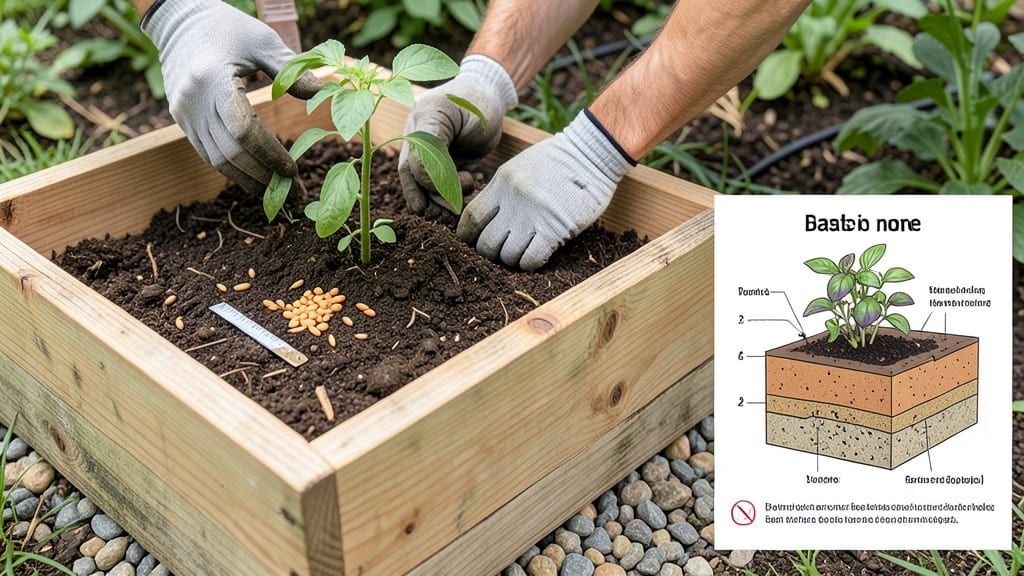
To determine how deep a raised garden bed needs to be, aim for 6 to 12 inches for most vegetables, herbs, and shallow-rooted plants, while root crops like carrots and potatoes thrive in beds 12 to 18 inches deep. Proper depth ensures better drainage and nutrient-rich soil for healthier growth.
Depth isn't just about space—it's about creating the right environment for roots to spread and thrive. 🌱 Shallow-rooted plants like lettuce or basil only need 6 inches of soil, but deeper beds let root crops like sweet potatoes or beets grow fully without crowding.
I've found that adding a 2-inch layer of compost at the bottom boosts fertility while improving drainage, which is especially critical for heavy clay soils.
Another key factor is material choice. Wooden beds with 12-inch depth work well for most plants, but if you're growing deep-rooted varieties, consider extending the height with cinder blocks or extra wood layers. Proper drainage holes at the bottom prevent waterlogging, which can suffocate roots and lead to disease.
💡 In This Article
- Root Depth Requirements for Different Plants
- Building the Perfect Raised Garden Bed: Depth and Material Guide
Root depth requirements for different plants
Root systems vary dramatically between plants, and depth directly impacts their ability to access nutrients and water. Shallow-rooted vegetables like lettuce, spinach, and radishes only need 6 inches of soil because their roots spread horizontally rather than downward.
You'll notice these plants thrive in compacted soils where deeper roots would struggle, as their energy focuses on rapid leaf production above ground. 🌱
In contrast, root vegetables like carrots, beets, and potatoes require 12-18 inches of loose, stone-free soil to develop properly. The pressure from surrounding soil actually helps shape these crops—without adequate depth, they'll fork or grow stunted.
For example, a standard 16-inch-deep bed gives carrots room to grow straight and plump, while a 12-inch bed might produce shorter, misshapen roots. The deeper the soil, the more stable the plant too—wind and water stress become less of a factor.
Herbs and flowers have unique needs too. Basil and cilantro, both shallow-rooted, do well in 6-8 inches of soil, but perennials like asparagus need 12-18 inches to establish their deep rhizomes.
What's fascinating is how soil depth affects flavor—deeper roots often produce more concentrated nutrients, which is why homegrown tomatoes from 18-inch beds taste richer than those from shallower containers. The extra space lets roots explore more soil volume, accessing a wider range of minerals.
Drainage becomes critical when considering depth. A 6-inch bed drains quickly, which is ideal for moisture-sensitive plants like onions, but can dry out faster during heatwaves. Deeper beds (12+ inches) retain moisture longer, supporting plants like peppers that prefer consistent soil dampness.
The key is balancing depth with your local climate—sandy soils need deeper beds to hold water, while clay soils may require extra drainage holes to prevent waterlogging at the bottom.
Consider this comparison: a 12-inch bed gives you flexibility to grow both shallow and deep-rooted crops in the same space, while a 6-inch bed limits you to leafy greens and herbs. The trade-off? Deeper beds require more soil and materials upfront, but they pay off with healthier, more productive plants.
For example, a 16-inch bed can accommodate both carrots and lettuce planted in separate sections, maximizing your garden's efficiency. 🌿
What most gardeners overlook is how soil compaction changes with depth. The top 6 inches often gets trampled or disturbed, while deeper layers remain looser.
This is why I always recommend adding a 2-inch layer of coarse sand or perlite at the bottom of deeper beds—it creates a drainage layer while preventing the heavier soil above from compacting too much. The result? Roots can spread freely without hitting a dense barrier.