
Container Gardens
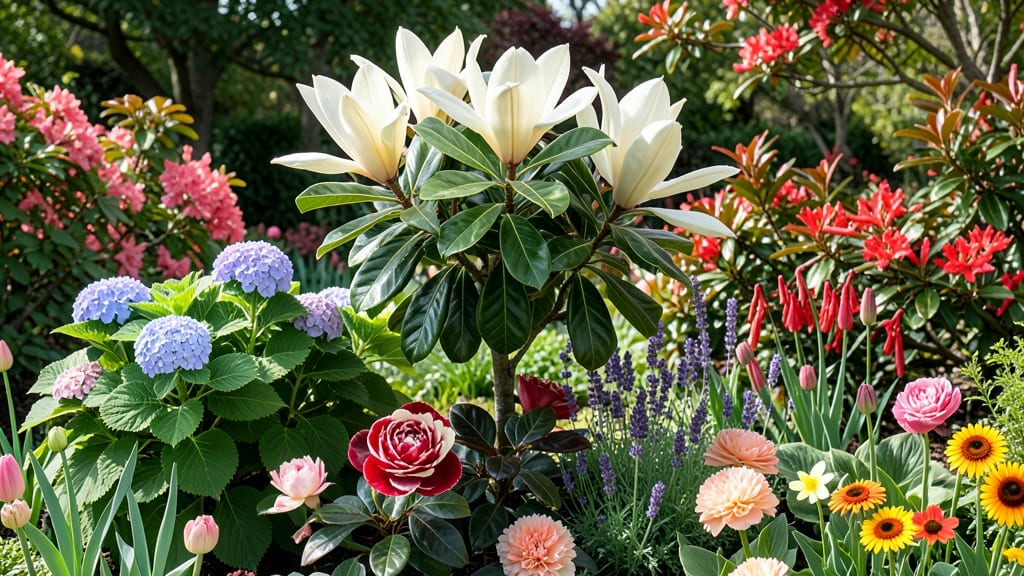
The botanical gardens in Philly showcase world-class displays including the Pinetum’s rare conifers, the serene Japanese Hill-and-Pond Garden, and vibrant seasonal blooms like spring cherry blossoms and winter holiday lights, creating a year-round destination for nature lovers.
These gardens aren’t just pretty—they’re carefully curated to highlight both horticultural science and cultural traditions. 🌿 The Pinetum, for example, features over 1,000 conifer species from around the globe, while the Japanese garden demonstrates centuries-old landscaping principles through its meticulous stonework and water features.
Even the Children’s Garden serves as an interactive classroom where kids learn about plant life cycles through hands-on activities.
What makes visiting especially rewarding is how the gardens adapt to each season. Spring brings delicate cherry blossoms and tulip displays, while summer transforms into a riot of roses and perennials. Autumn foliage and winter holiday decorations create completely different moods—all while maintaining that same peaceful, educational atmosphere.
I always recommend checking the seasonal calendar before your trip, as special events like the orchid show or holiday markets can turn a regular visit into a memorable experience.
💡 In This Article
- Exploring Philly’s Botanical Gardens Unique Plant Collections
- Seasonal Planning for Visiting Philadelphia Botanical Gardens
Exploring philly’s botanical gardens unique plant collections
The Pinetum at Philadelphia Botanical Gardens stands as a global showcase of conifer diversity, housing over 1,000 species from six continents.
What makes this collection so remarkable is how it demonstrates climate adaptation—each specimen is carefully selected for its ability to thrive in Philadelphia’s temperate climate while representing native ranges from subarctic Norway spruces to Mediterranean stone pines.
The garden’s 10-acre space mimics natural forest ecosystems, with species arranged by geographic origin rather than alphabetical order, creating a living geography lesson for visitors.
The Japanese Hill-and-Pond Garden represents a 1,300-year-old tradition of Zen landscaping, where every element—from the 17-foot waterfall to the 12 stone lanterns—follows precise mathematical ratios.
Horticulturists here use akadama soil, a volcanic clay that drains perfectly while retaining moisture, to cultivate 300+ plant species including maples, pines, and azaleas.
The garden’s karesansui (dry landscape) sections use raked gravel to symbolize water, demonstrating how minimalist design can evoke tranquility through texture and pattern rather than visual clutter.
For families, the Children’s Garden serves as a hands-on laboratory where kids explore botanical science through play. The 1.5-acre space features a vegetable spiral demonstrating companion planting, a butterfly habitat with native milkweed, and a sensory garden where children can touch fuzzy lamb’s ear or smell citrus-scented geraniums.
What’s particularly innovative is how the garden uses interactive water features to teach hydroponics—kids can watch plants grow without soil, seeing firsthand how roots absorb nutrients through water.
Conservation plays a critical role in these collections. The Pinetum participates in global seed banking programs to preserve endangered conifer species, while the Japanese garden employs traditional propagation techniques like mikawari (budding) to maintain rare cultivars.
Even the Children’s Garden teaches pollinator protection through its native plantings, creating a 365-day habitat for bees and butterflies that extends beyond the garden’s borders.
What most visitors don’t realize is how these collections interact scientifically. The Pinetum’s research plots track how different conifers respond to Philadelphia’s changing climate patterns, while the Japanese garden’s moisture sensors maintain precise humidity levels to protect delicate bonsai specimens.
These behind-the-scenes efforts ensure the gardens remain both beautiful and scientifically valuable for future generations.
The sheer diversity of these collections creates a year-round sensory experience. In winter, the Pinetum’s evergreen needles provide vibrant color against snow, while spring brings the Japanese garden’s cherry blossoms in full bloom.
Summer transforms the Children’s Garden into a fragrant herb garden, and autumn’s maple foliage in the Japanese section creates a fiery display. Each collection isn’t just about aesthetics—it’s about ecological storytelling through living plants.