
Container Gardens
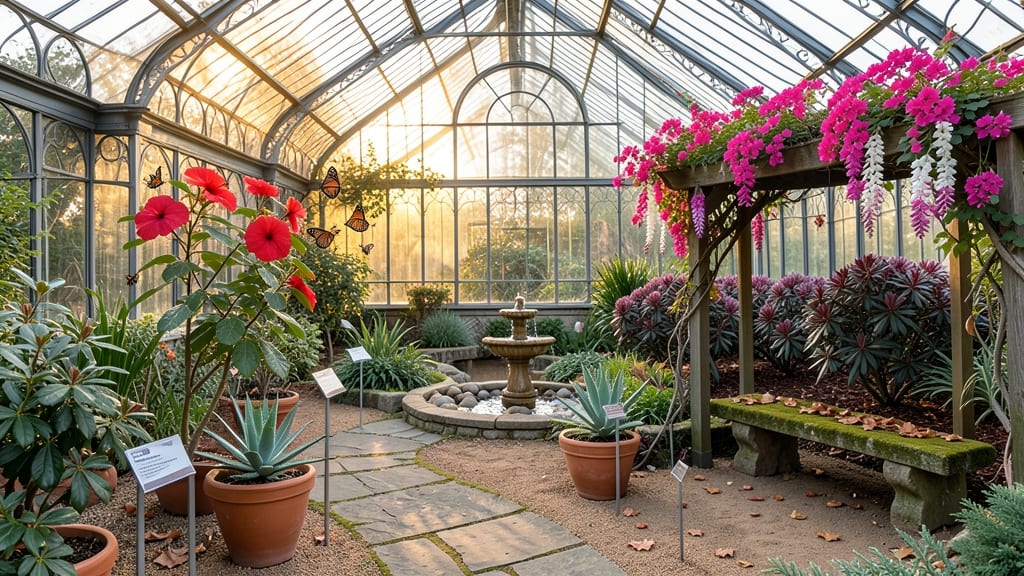
Botanical gardens reciprocity programs let members access partner gardens worldwide for free or discounted entry, often including exclusive plant swaps, seed exchanges, and horticultural workshops at participating locations. Always check reciprocal membership terms before visiting.
These programs create a global network where your local botanical garden membership unlocks access to dozens of partner institutions, each offering unique plant collections and expert-led programs. 🌿 For example, a membership at the New York Botanical Garden might grant you free entry to Kew Gardens in London or the Singapore Botanic Gardens, where you could participate in rare orchid propagation workshops.
The key is verifying which gardens participate in your specific program—some focus on tropical collections, while others specialize in native flora or conservation efforts.
What makes these partnerships especially valuable is the opportunity to engage with plant materials you might not find locally. Many reciprocal gardens offer seed exchanges featuring rare or endangered species, or provide guided tours focused on specific ecosystems.
I always recommend contacting the garden in advance to confirm their current reciprocal agreements and any special requirements, like advance registration for workshops or plant swaps.
💡 In This Article
- How Botanical Gardens Reciprocity Programs Work
- Maximizing Your Reciprocal Membership: Tips for Garden Visits
How botanical gardens reciprocity programs work
The foundation of these programs lies in formal agreements between institutions, often coordinated through global networks like the Botanic Gardens Conservation International (BGCI).
When you join a participating garden—such as the Missouri Botanical Garden or Royal Botanic Gardens, Kew—your membership is validated through a unique identifier (usually your membership card or digital profile). This ID is then recognized by partner gardens worldwide, which honor your access privileges based on pre-negotiated terms.
The system operates similarly to hotel loyalty programs, where points or status translate to benefits across affiliated brands.
Participating gardens span continents, with networks including over 500 institutions globally. For example, a membership at the Chicago Botanic Garden might grant you free entry to the Singapore Botanic Gardens or the Royal Botanic Garden Edinburgh.
Each garden contributes its specialized collections—think rare orchids in Singapore, alpine plants in Edinburgh, or desert flora in Arizona—to create a diverse, worldwide resource. The BGCI plays a pivotal role by standardizing these agreements, ensuring consistency in benefits like plant swaps, seed exchanges, and access to living collections.
Some programs even include digital passes for virtual tours or research databases.
Access to plant materials is often the most exciting perk. Many reciprocal gardens offer exclusive seed exchanges featuring species not available commercially, such as rare heaths (Ericaceae family) or orchids from Madagascar.
Others provide guided tours focused on specific themes, like conservation efforts for endangered plants or historical horticultural techniques.
For instance, visiting the Montreal Botanical Garden might grant you access to their Japanese Maple collection, while a trip to the Fairchild Tropical Botanic Garden in Miami could include hands-on workshops on propagating palms or bromeliads.
These opportunities are typically outlined in your membership materials or on the partner garden's website.
Behind the scenes, these programs rely on shared databases and real-time validation systems. When you arrive at a reciprocal garden, staff verify your membership through a quick scan or digital check-in.
Some gardens may require advance registration for workshops or plant swaps, so it's wise to confirm details before your visit. The BGCI's Global Plant Search tool is an invaluable resource for exploring which gardens participate in your program and what unique collections they offer.
This tool lets you filter by plant type, region, or conservation status, helping you plan visits around specific interests—whether it's cacti in Mexico or temperate rainforest species in New Zealand.
What makes these programs truly special is their focus on conservation and education. Many reciprocal gardens prioritize access to living collections that support research or breeding programs for endangered species.
For example, the Kew Gardens' Millennium Seed Bank partners with reciprocal members to distribute seeds of critically endangered plants, like the Madagascar baobab. By participating, you're not just gaining access to beautiful gardens—you're contributing to global biodiversity efforts.
The sense of connection to these initiatives adds a meaningful layer to your visits, turning a leisurely outing into an active role in plant conservation.
The mechanics of these programs also ensure fairness and sustainability. Gardens typically cap the number of reciprocal visitors per day to maintain quality, and some may require a small handling fee for plant materials (e.g., $5-$10 for seeds or cuttings).
This approach balances access with the need to preserve collections. Additionally, many programs include digital reciprocity, such as access to online plant databases or virtual lectures, ensuring benefits even when travel isn't possible.
For instance, the New York Botanical Garden offers reciprocal members free access to its Plant Information Online database, a treasure trove of care guides and identification tools.