
Vegetables
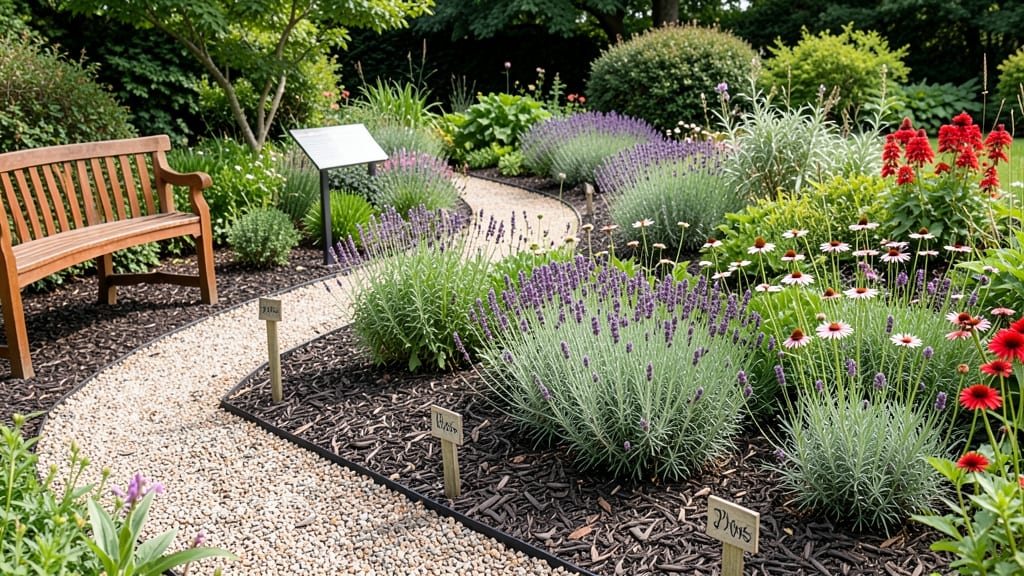
AHS reciprocal gardens connect gardeners to share plants, seeds, and gardening expertise through a network of local exchanges, fostering sustainability and community collaboration without cost or obligation beyond participation.
AHS reciprocal gardens create a zero-cost gardening ecosystem where members trade plants, seeds, and knowledge without financial obligation. 🌱 This system thrives on regional hubs where gardeners list their surplus—think heirloom tomatoes or drought-resistant succulents—and request others' specialties.
The beauty lies in its flexibility: you can contribute even a single cutting or packet of seeds, making it accessible for all skill levels. What sets these gardens apart is their focus on plant health verification, ensuring disease-free swaps through community vetting and seasonal timing that aligns with growing cycles.
Beyond the practical benefits, these gardens build local resilience by preserving genetic diversity and reducing waste. 🌿 For example, a member with a thriving fig tree might share cuttings with someone eager to grow their own, while a novice gardener gains access to expert advice.
The network's digital catalogs make it easy to browse offerings year-round, though physical swap events create the most buzz—imagine a summer afternoon trading peonies for chili pepper seeds under a tent full of green thumbs!
To maximize your participation, start by identifying your region's active hubs through AHS's online directory. I recommend beginning with easy-to-share plants like herbs or leafy greens to build trust in the community.
The real magic happens when you combine swaps with shared tips—perhaps teaching someone how to propagate strawberries while receiving a rare blueberry variety in return.
💡 In This Article
- How AHS Reciprocal Gardens Facilitate Plant and Seed Exchanges
- Top Benefits of Joining AHS Reciprocal Gardens for Gardeners
How AHS reciprocal gardens facilitate plant and seed exchanges
AHS reciprocal gardens operate on a simple yet brilliant model: members join their local hub (either digital or physical) and create a profile listing what they can offer—whether it's heirloom seed packets, propagated cuttings, or even homegrown seedlings.
The system uses a shared digital catalog where entries include plant names, quantities, and care instructions.
For example, you might list 50 organic basil cuttings with notes about disease resistance, or 10 packets of drought-tolerant wildflower seeds harvested from your garden. 🌿 This catalog functions like a community greenhouse inventory, accessible 24/7.
The verification process ensures plant health through a combination of community vetting and seasonal timing. Regional coordinators (often experienced gardeners) review listings for accuracy and may request photos or additional details about growing conditions.
Swaps typically follow natural growing cycles—spring brings an abundance of perennial divisions and vegetable starts, while fall offers seed collections and bulb divisions.
The system even accounts for climate variations; a coordinator in Zone 7 might time tomato seed swaps for early spring, while Zone 9 gardeners might focus on winter-hardy rosemary cuttings. This seasonal alignment prevents wasted efforts and ensures plants arrive at optimal transplanting times.
Physical swap events create the most dynamic exchanges, often held in community gardens, farmers' markets, or even backyard gatherings. At these events, you'd bring your offerings in clearly labeled containers (think paper egg cartons for seedlings or envelopes for seeds) and take home what you request.
The hands-on nature builds trust—you can inspect plants before swapping and ask questions directly. Digital swaps work similarly but with added convenience; members ship their contributions via mail with prepaid postage labels provided by the hub. The system even tracks carbon-neutral shipping options for eco-conscious gardeners.
What makes this system sustainable is its zero-waste approach to gardening. Unlike traditional seed purchases, reciprocal gardens eliminate packaging waste while preserving genetic diversity. For instance, a member might share a rare purple cauliflower variety they've grown for years, helping maintain heirloom traits that commercial seed companies often overlook.
The network also reduces the environmental impact of plant transport by keeping exchanges local—most swaps occur within 50-mile radii, cutting down on fuel emissions from long-distance shipping.
To participate, simply visit your regional AHS hub's website or Facebook group (many hubs use both platforms) and create a free account. You'll find detailed guides on how to prepare plants for swaps, including proper labeling and packaging tips.
For example, seed packets should include planting depth instructions and days to maturity, while cuttings need clear care notes about rooting hormones or humidity requirements.
The community aspect means you're not just trading plants—you're gaining access to a network of experts who can answer your most pressing gardening questions, from pest control to soil amendments.
One of the most underrated features is the "wish list" system, where members can request specific plants they're struggling to find. This creates a direct connection between supply and demand—perhaps someone needs blueberry bush cuttings for their yard, while another has an overabundance from their garden.
The coordinators facilitate these matches, often organizing group swaps where multiple members trade simultaneously. It's this collaborative spirit that turns a simple plant exchange into a thriving ecosystem of shared knowledge and green thumbs working together. 🌱