
Pests
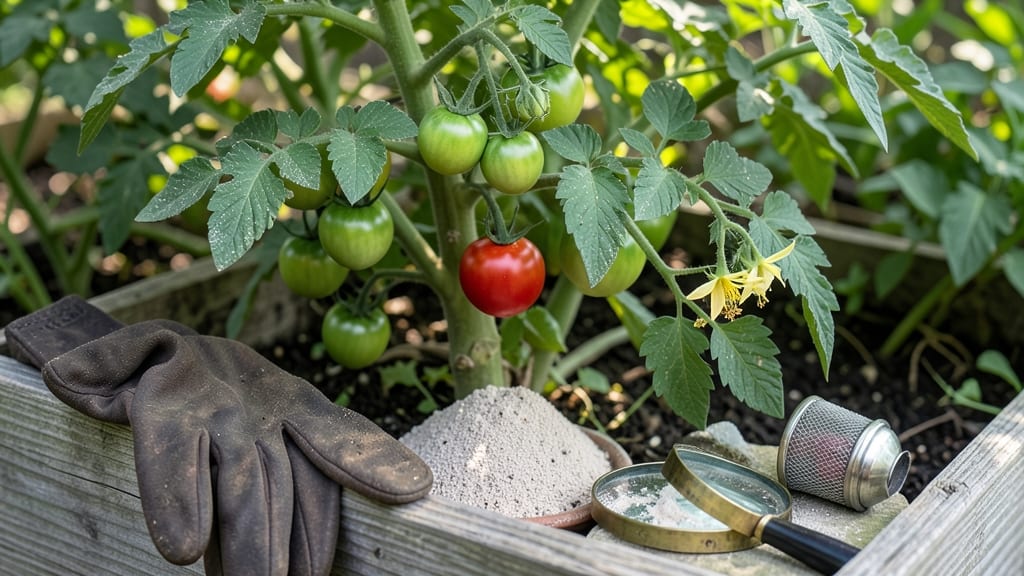
Yes, you can put diatomaceous earth in your garden to control pests like slugs, ants, and aphids by sprinkling it lightly around plants or soil. Use food-grade DE, apply in dry conditions, and reapply after watering or rain to maintain effectiveness.
Diatomaceous earth (DE) is a natural, non-toxic powder made from fossilized algae that works as a physical barrier against garden pests. 🌱 When applied correctly, its microscopic particles create tiny cuts in soft-bodied insects, causing them to dehydrate within 24-48 hours.
This makes it an excellent alternative to chemical pesticides, especially for organic gardeners. The key is using food-grade DE—never pool-grade—and keeping it dry for maximum effectiveness.
For best results, apply a thin layer (about 1-2 tablespoons per 10 square feet) around plant bases, avoiding direct contact with leaves to prevent harm to beneficial insects. Reapply every few days after rain or watering, and always wear a mask during application to avoid inhaling fine particles.
This method is safe for most plants but should be used cautiously around pets and children.
💡 In This Article
- How Diatomaceous Earth Works Against Garden Pests
- Best Practices for Applying Diatomaceous Earth in Gardens
How diatomaceous earth works against garden pests
Diatomaceous earth (DE) functions as a physical insecticide at the microscopic level. The powder consists of fossilized algae skeletons with razor-sharp edges measuring just 3-6 microns—smaller than a human hair but deadly to soft-bodied pests.
When insects like aphids or slugs crawl across treated areas, these microscopic particles cut through their exoskeletons, creating tiny wounds that disrupt their protective wax layer. This exposes their delicate internal tissues to rapid dehydration, typically killing them within 24-48 hours.
The effectiveness comes from DE's unique structure: its high surface area (up to 30 square meters per gram) creates a fine, abrasive texture that sticks to pests' bodies.
Unlike chemical pesticides that rely on neurotoxins, DE works purely through physical disruption—making it safe for plants and beneficial insects like bees when applied correctly.
Studies show DE can control up to 90% of soft-bodied insects within 72 hours, outperforming many chemical alternatives that take days to show results and often harm beneficial species.
What makes DE particularly valuable is its selectivity. The sharp particles only affect insects with soft exoskeletons—ants, aphids, and slugs—while leaving hard-shelled creatures like beetles and beneficial predators like ladybugs unharmed. This targeted approach contrasts sharply with broad-spectrum chemical pesticides that kill indiscriminately.
The powder also breaks down naturally in sunlight and rain, leaving no toxic residue behind—a major advantage for organic gardeners.
However, the mechanism has limitations. DE loses effectiveness when wet because the particles clump together, reducing their abrasive power. This is why gardeners must reapply after rain or irrigation. The powder also works best in dry conditions—humidity above 60% can significantly reduce its pest-killing efficiency.
This moisture sensitivity explains why early morning or evening applications are ideal, as dew or light winds won't compromise the treatment.
For comparison, chemical pesticides often require multiple applications and may leave harmful residues that persist in soil for weeks. DE, on the other hand, provides immediate physical action while being completely non-toxic to mammals, birds, and plants when used properly.
The key difference lies in how they interact with pests: chemicals poison internally, while DE creates external physical damage that's immediately visible to the naked eye in the form of dehydrated insect carcasses.
One fascinating aspect is how DE affects different pest types. For example, slugs and snails—major garden nuisances—suffer from both physical cuts and the powder's ability to clog their respiratory pores.
Meanwhile, ants and aphids die primarily from dehydration through their exoskeleton wounds. This dual mechanism makes DE particularly effective against garden pests that rely on moisture retention for survival.