
Advice
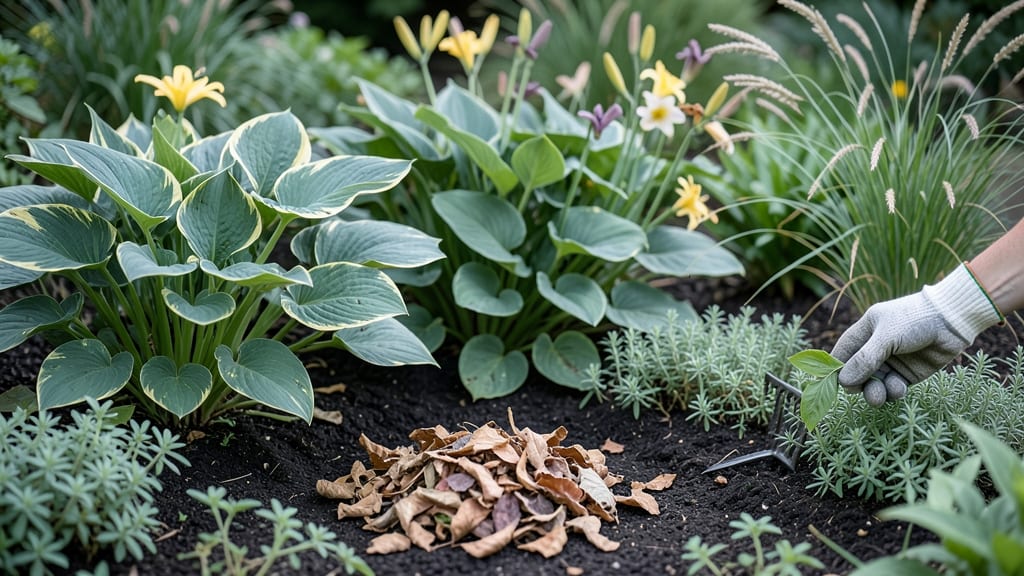
Leaving leaves on garden beds improves soil health by enriching organic matter and retaining moisture, but thick layers can trap pests or suffocate plants. Aim for a 1-2 inch layer and check regularly for mold or disease.
Leaving leaves on garden beds acts like a natural fertilizer, breaking down to release nutrients over time. 🌿 The decomposition process also enhances soil structure, making it easier for roots to grow while reducing erosion.
However, whole leaves can mat down and block sunlight, so shredding them first helps speed up the breakdown. I recommend using leaves as mulch in late fall after most pests have gone dormant, giving them time to decompose before spring planting.
If your leaves show signs of disease or pests, it's better to compost them first. A 1-2 inch layer is ideal—thicker layers may create anaerobic conditions that lead to mold. For beds with delicate plants, I suggest mixing leaves with straw or grass clippings to improve airflow and decomposition balance.
💡 In This Article
- How Mulching with Leaves Boosts Soil Fertility
- Best Practices for Using Fallen Leaves as Garden Mulch
How mulching with leaves boosts soil fertility
When leaves decompose, they transform into a nutrient-rich soil amendment through a process called humification. This occurs as microorganisms—like bacteria and fungi—break down the cellulose and lignin in leaves, releasing essential nutrients such as nitrogen, phosphorus, and potassium.
A single layer of 1-2 inches of shredded leaves can add up to 20% organic matter to your soil over a year, improving its ability to retain water and support plant roots. 🌱 The decomposition also creates a spongy, crumbly texture that enhances aeration, making it easier for roots to penetrate deeply.
The nutrient release happens in stages: initially, carbon-rich compounds dominate, but as decomposition progresses, nitrogen becomes more available. This is why mixing leaves with nitrogen-rich materials (like grass clippings) speeds up the process and prevents nitrogen depletion in the soil.
For example, a 1:1 ratio of leaves to grass clippings can create a balanced compost-like mulch that enriches soil within 3-6 months. The microbial activity also stimulates earthworm populations, which further aerate the soil and create channels for water infiltration.
One of the most significant benefits of leaf mulch is its role in erosion control. The protective layer shields soil from heavy rain and wind, reducing the loss of topsoil—a critical issue in gardens with sloped beds.
Studies show that mulched areas can retain up to 30% more moisture than bare soil, which is especially valuable during dry spells. This moisture retention also helps regulate soil temperature, keeping roots cooler in summer and warmer in winter, which supports year-round plant growth.
However, not all leaves decompose at the same rate. Maple, oak, and beech leaves break down more slowly due to their high tannin content, while birch, aspen, and willow leaves decompose quickly and add nutrients faster.
If you're using whole leaves, they can create a dense mat that blocks sunlight and air, slowing decomposition. Shredding them first increases surface area, accelerating the process by up to 40% and preventing thatch buildup, which can suffocate plant roots.
For best results, apply leaves in late fall or early spring, when pests are less active and the soil is cool. This timing allows the leaves to decompose gradually without attracting slugs or other garden pests.
Over time, the organic matter from leaves also improves soil structure, making it more friable and easier to work with—a key factor in long-term garden health. 💫