
Pests
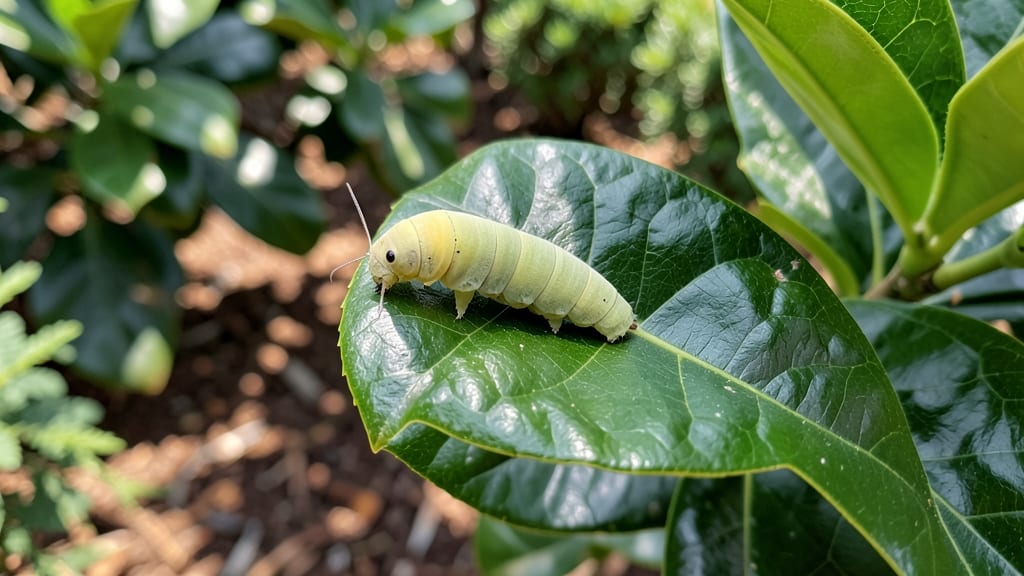
Do deer eat gardenia plants? Yes—they frequently target gardenias, particularly the young leaves and delicate stems, drawn by their tender texture and subtle scent. Seedlings face the highest risk, while established plants may endure partial defoliation or stem damage if deer activity goes unchecked.
Gardenias are on deer's menu because their broad leaves and soft growth provide an easy, nutrient-rich snack. 🌿 These browsers often overlook the plant's occasional bitter notes, focusing instead on the fresh foliage.
In my experience, deer are most active during dawn and dusk, which is when gardenias are most vulnerable. The damage isn't just cosmetic—severe browsing can stunt growth or even kill young plants by removing their primary food source.
What makes this tricky is that gardenias aren't toxic to deer, so there's no natural deterrent. Unlike some plants that deer avoid due to chemical defenses, gardenias offer no built-in protection.
This means gardeners need proactive strategies—like physical barriers or repellent sprays—to safeguard their plants, especially during peak browsing seasons in late winter and early spring.
💡 In This Article
- Why Deer Target Gardenia Plants and Their Feeding Habits
- Effective Deer-Repellent Strategies for Gardenia Protection
Why deer target gardenia plants and their feeding habits
Deer are drawn to gardenia plants primarily because their broad, tender leaves and new growth provide an easily accessible and nutrient-rich food source. Gardenias contain moderate protein levels and moisture, which are especially appealing during dry seasons when deer struggle to find fresh vegetation.
The plant's soft texture—similar to other preferred deer foods like clover or alfalfa—makes it an effortless snack compared to tougher plants with fibrous leaves.
The mild, slightly floral scent of gardenias also plays a role in their appeal. While not overpowering, this aroma is detectable to deer's keen olfactory senses, signaling edibility. Contrary to popular belief, gardenias are not toxic to deer, which eliminates any chemical deterrent that might discourage browsing.
This myth likely stems from gardenias' occasional bitter taste when overripe, but deer often ignore this and focus on the fresh foliage. 🌿
Seasonal patterns further explain why gardenias become deer targets. Late winter and early spring are peak browsing times, as deer seek out fresh growth after winter dormancy. Young gardenia seedlings are particularly vulnerable because their entire structure is small and digestible.
Even mature plants can suffer significant damage if deer repeatedly strip leaves, leading to stunted growth or weakened stems.
Deer's selective feeding habits also depend on plant availability. In areas where gardenias are the only soft, green option, deer will prioritize them over less palatable alternatives. Their browsing behavior is opportunistic—if gardenias are easily accessible, they'll be the first on the menu.
This is why gardeners in wooded or suburban areas with deer populations often see gardenias as high-risk plants.
Interestingly, deer can distinguish between plant species using both visual and tactile cues. They recognize gardenias by their glossy, dark green leaves and the plant's overall structure. When multiple plant types are present, deer will often sample gardenias first due to their preferred texture and nutritional value.
This selective behavior means that even if other plants are available, gardenias may still face heavy browsing pressure.
Understanding these feeding habits helps explain why gardenias require proactive protection. Unlike toxic plants that deer avoid instinctively, gardenias offer no natural defense. Their appeal lies in their softness and nutritional content, making them a consistent target during critical growth periods. 💫