
Pests
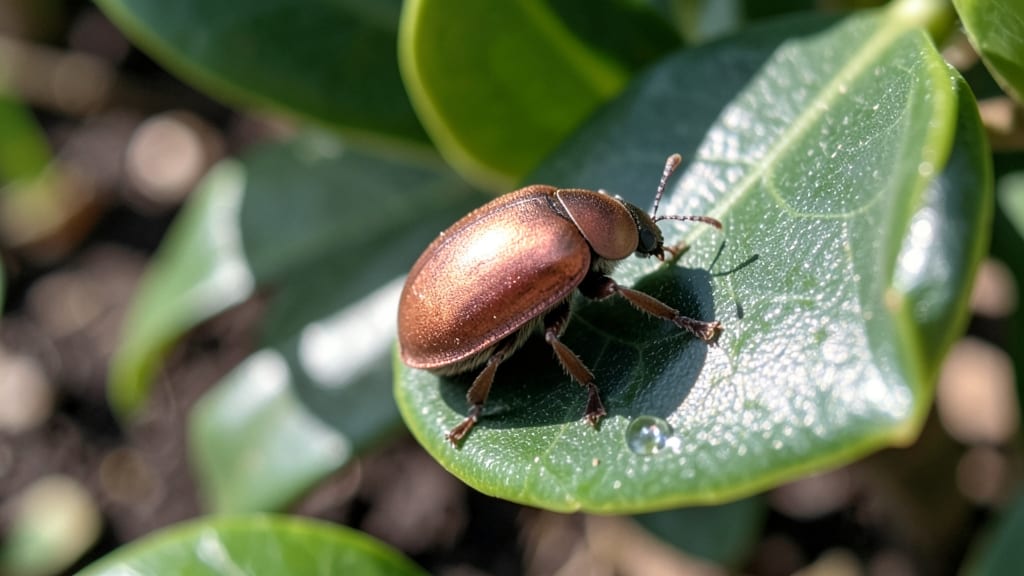
Deer rarely eat gardenia bushes because their dark green, glossy leaves and fragrant white flowers are less appealing to them. The tough foliage and natural toxins like gardenin also deter browsing, though hungry deer may nibble in severe winters or overcrowded areas. Planting them strategically can further discourage deer damage.
Gardenias naturally repel deer thanks to their thick, leathery leaves and bitter-tasting compounds like gardenin, which many animals find unpalatable. 🌿 The strong fragrance of their blooms also acts as a deterrent, as deer prefer plants with milder scents.
While these bushes aren't completely deer-proof—especially during food shortages—their resilience makes them a low-maintenance choice for deer-prone areas. I've seen gardenias thrive in landscapes where other prized plants get munched, proving their hardiness in the right conditions.
For extra protection, consider planting them near deer-deterrent neighbors like boxwood or lavender, which emit scents deer dislike. Physical barriers like tall fencing or mesh wraps can also create a buffer zone.
The key is combining these strategies with regular monitoring during late winter when deer are most desperate for food.
💡 In This Article
- Why Gardenias Are Naturally Deer-Resistant
- Protecting Gardenia Bushes from Deer: Practical Strategies
Why gardenias are naturally deer-resistant
Gardenias contain a natural compound called gardenin, a bitter-tasting glycoside that acts as a chemical deterrent. This toxin isn't deadly but creates an unpleasant taste that deer instinctively avoid—similar to how they reject oleander or boxwood.
The plant's thick, leathery leaves (measuring about 0.5-1 inch wide) also make them difficult to chew, unlike tender perennials deer prefer. 🌿 Deer typically target softer, more nutritious plants like hostas or tulips, which offer easier access to calories.
The fragrant white flowers (with their jasmine-like scent) play another crucial role. Deer have a keen sense of smell and often avoid strongly scented plants, which may signal toxicity or poor nutrition.
Studies show deer are more likely to browse plants with mild or no fragrance, like roses or daylilies. Gardenias' high essential oil content (including linalool and geraniol) creates that signature aroma that repels them—unlike deer-friendly plants that emit little to no scent.
Botanically, gardenias fall into the Rutaceae family, which includes many deer-resistant species. Their evergreen nature means they maintain their tough foliage year-round, unlike deciduous plants that become vulnerable in winter.
The dark green, glossy leaves also reflect light differently than palatable plants, making them less visually appealing to foraging deer. 🌱 This combination of chemical, textural, and sensory factors creates a multi-layered defense system that most deer simply bypass.
However, deer aren't completely immune to gardenias. During severe winters when food is scarce, you might notice light nibbling—particularly on new growth. The younger, softer leaves (less than 6 months old) contain slightly lower concentrations of gardenin, making them marginally more appealing.
This is why gardenias thrive in mild climates (USDA zones 7-10) where food remains abundant year-round, reducing deer pressure.
For comparison, gardenias are about three times more deer-resistant than common hydrangeas (which deer occasionally browse) but slightly less resistant than oleander (which contains cardiac glycosides). Their resistance level falls in the "moderate to high" category when planted in optimal conditions.
The key difference is that gardenias don't rely on a single defensive mechanism—they combine chemical toxins, physical toughness, and sensory repellence for comprehensive protection.
What makes this resistance particularly valuable is that gardenias don't require artificial repellents or fencing to deter deer in most cases.
Their natural defenses work passively, making them an excellent choice for low-maintenance landscaping in areas with moderate deer populations. 🌿 The only exception is when gardenias are planted in food-scarce environments (like urban edges or overgrazed fields), where even tough plants may face increased browsing pressure.