
Size
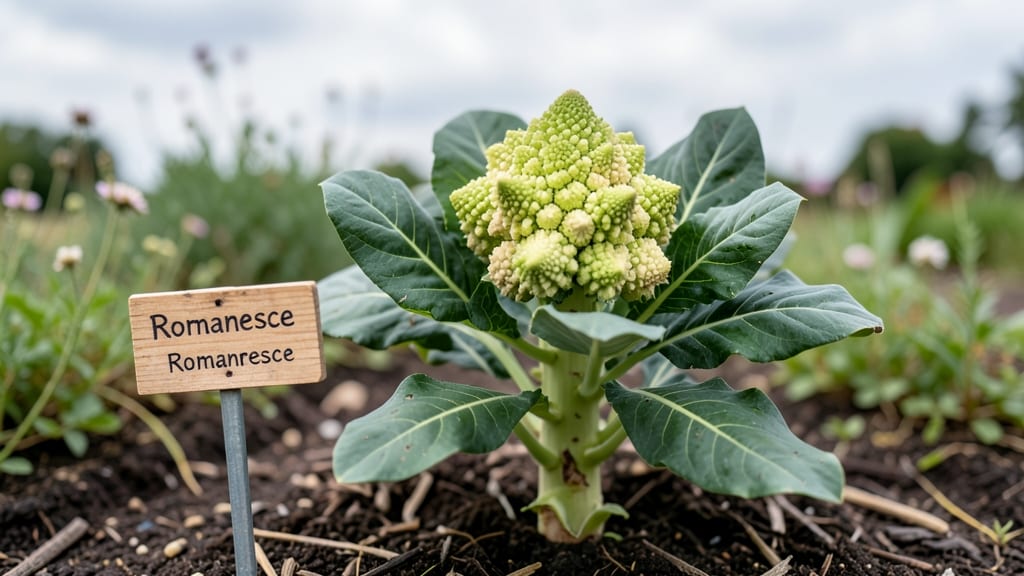
Romanesco does not grow back in a garden as a perennial—it’s an annual brassica that dies after harvest, though its roots may regrow minor shoots. For regrowth, replant seeds yearly or overwinter in mild climates with protective measures.
Romanesco behaves like most brassicas—it completes its entire life cycle in one growing season before dying off. 🌱 Unlike perennials such as asparagus or rhubarb, its above-ground growth stops after producing its signature fractal-shaped heads, and the plant won’t return the following year unless you take special steps.
The good news? In frost-free zones (USDA zones 8-10), you can sometimes coax new shoots from the roots with thick mulch or row covers during winter. For most gardeners, though, treating it as an annual and replanting seeds each spring yields the most consistent results.
What sets romanesco apart from other annuals is its cold tolerance during early growth stages—it can handle light frosts better than many vegetables. However, once mature, even a single hard freeze will kill the plant completely.
This is why overwintering attempts only work in warmer climates where temperatures stay above 25°F (-4°C).
💡 In This Article
- Why Romanesco Is Classified as an Annual Plant
- Tips to Extend Romanesco’s Lifespan in Your Garden
Why romanesco is classified as an annual plant
The romanesco's life cycle follows the classic annual pattern of brassicas—it germinates, grows, flowers, and produces its iconic fractal heads before dying. Unlike perennials that regenerate from roots or underground stems, romanesco completes its entire growth cycle in just 90-120 days under ideal conditions.
This rapid progression is hardwired into its genetics, similar to broccoli or kale, which also behave as annuals despite being part of the same botanical family.
The key difference lies in its cold sensitivity. Romanesco thrives in cool weather (55-75°F) during early growth but becomes frost-sensitive once mature. When temperatures drop below 25°F (-4°C), the plant's cellular structure collapses, triggering irreversible dormancy.
This is why even well-established plants won't survive winter in most climates—unlike artichokes, which regrow from their thick, woody roots or rhubarb's persistent crowns.
What makes romanesco unique is its hybrid vigor—it's actually a cross between broccoli and cauliflower, inheriting their annual tendencies. The fractal pattern forms during a specific 10-14 day period when the plant shifts from vegetative to reproductive growth, after which all energy goes into seed production.
This biological focus on reproduction leaves no resources for perennial regrowth, making it fundamentally different from true perennials that store energy underground.
Climate plays a crucial role in this classification. In USDA zones 8-10, where winters rarely drop below 30°F (-1°C), romanesco might produce smaller shoots from the base if protected. But even here, it won't reach full maturity again—just enough to produce a few leaves or tiny heads.
This limited regrowth explains why gardeners in warmer regions sometimes report "second crops," though it's technically a new plant emerging from the old root system.
The plant's energy allocation strategy is fascinating. When romanesco's head forms, it prioritizes seed production over vegetative growth, similar to other brassicas. This biological focus on reproduction means any remaining energy goes into developing seeds rather than storing reserves for next year.
Even if you leave the plant in the ground, it won't develop the thick storage organs needed for perennial growth like potatoes or asparagus.
For comparison, true perennials like asparagus or rhubarb allocate 20-30% of their energy to underground storage structures during their first year. Romanesco allocates nearly 100% of its resources to above-ground growth and reproduction, leaving nothing for perennial survival.
This fundamental difference explains why it never truly "comes back" like its perennial cousins.