
Fertilization
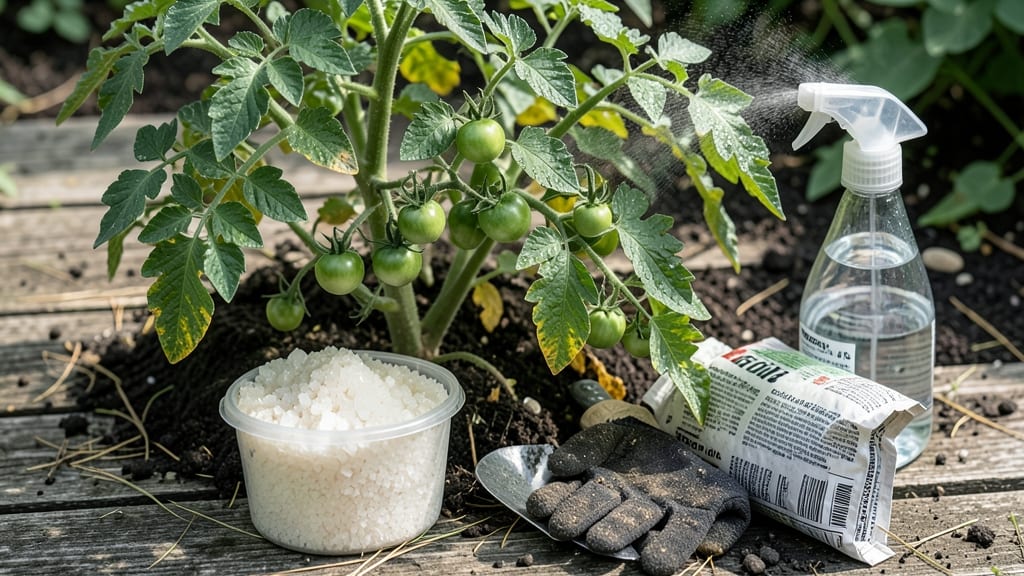
The Epsom salt garden myth suggests magnesium sulfate magically enhances plant growth, but research shows it only benefits magnesium-deficient soils or specific issues like tomato blossom end rot—not as a universal growth booster or miracle cure.
Magnesium sulfate (the active ingredient in Epsom salt) plays a key role in chlorophyll production, but its benefits are limited to plants already struggling with magnesium deficiencies. 🌱 Many gardeners overestimate its value, assuming it’ll fix poor soil or revive struggling plants—when in reality, most garden soils already contain enough magnesium.
The real magic happens when you test your soil first and only apply it as a targeted solution, not a blanket fertilizer.
For example, if your tomatoes show signs of blossom end rot (a classic magnesium deficiency symptom), a diluted Epsom salt spray can help—but it’s not a cure-all.
Overuse can actually harm plants by disrupting soil chemistry or burning roots, so precision matters. Think of it as a specialized tool, not a one-size-fits-all garden hack.
💡 In This Article
- How Epsom Salt Actually Works in Plant Nutrition
- When and How to Use Epsom Salt Safely in Gardens
How Epsom salt actually works in plant nutrition
Magnesium sulfate—what we call Epsom salt—plays a critical role in plant biology by supplying magnesium, a central atom in chlorophyll molecules. Chlorophyll, the green pigment responsible for photosynthesis, contains a magnesium ion at its core, which absorbs light energy to power plant growth.
When magnesium levels drop below 0.2% of soil composition (a common threshold for deficiency), plants struggle to produce enough chlorophyll, leading to yellowing between leaf veins—a telltale sign called interveinal chlorosis. 🌿
The science gets fascinating when you consider how magnesium moves within plants. Unlike other nutrients that travel through the xylem (water-conducting vessels), magnesium is mobile within the phloem (food-conducting vessels), meaning plants can redistribute it from older leaves to new growth when needed.
This mobility explains why deficiency symptoms often appear first on mature leaves. However, once magnesium is depleted in the soil, plants can't access it—even if they're actively trying to redistribute it internally. That's where targeted magnesium supplements like Epsom salt become valuable.
Here's where the garden myth comes into play: most healthy garden soils contain 0.4% to 0.6% magnesium naturally, which is usually sufficient for plant needs. The problem arises in acidic soils (pH below 6.0) or sandy soils where magnesium leaches away quickly.
In these cases, magnesium sulfate can be beneficial—but only when applied at precise rates.
For example, research from the University of Minnesota shows that 1 tablespoon of Epsom salt per gallon of water (about 7.2 grams per 3.8 liters) is an effective foliar spray for magnesium-deficient plants, while soil application requires 20-30 pounds per acre for correction.
What most gardeners overlook is that magnesium sulfate provides both magnesium and sulfate ions. While magnesium is essential, excessive sulfate can actually disrupt soil chemistry by increasing soil acidity over time.
This is why horticultural experts recommend soil testing before application—magnesium deficiency is just one piece of the soil health puzzle. For instance, plants showing magnesium deficiency might actually need better calcium management first, as these nutrients compete for uptake in plant roots. 🌱
The most dramatic examples of Epsom salt's effectiveness occur with tomatoes, peppers, and roses, which are particularly sensitive to magnesium levels. When these plants develop blossom end rot (a calcium-related issue that's often misdiagnosed), some gardeners turn to Epsom salt solutions—but this is a bandage, not a cure.
The real solution lies in maintaining proper calcium availability while ensuring balanced magnesium levels. Think of it like fixing a car's engine: you wouldn't just add oil without checking other systems first.
For visual learners, imagine magnesium deficiency as a plant's version of anemia—it can't produce enough energy (chlorophyll) to sustain growth. The yellowing leaves aren't just cosmetic; they're a cry for help.
When you apply magnesium sulfate correctly, you're essentially giving the plant a blood transfusion—temporary relief that buys time for proper soil management. But like any medical treatment, dosage and timing are everything. 💡