
Tools
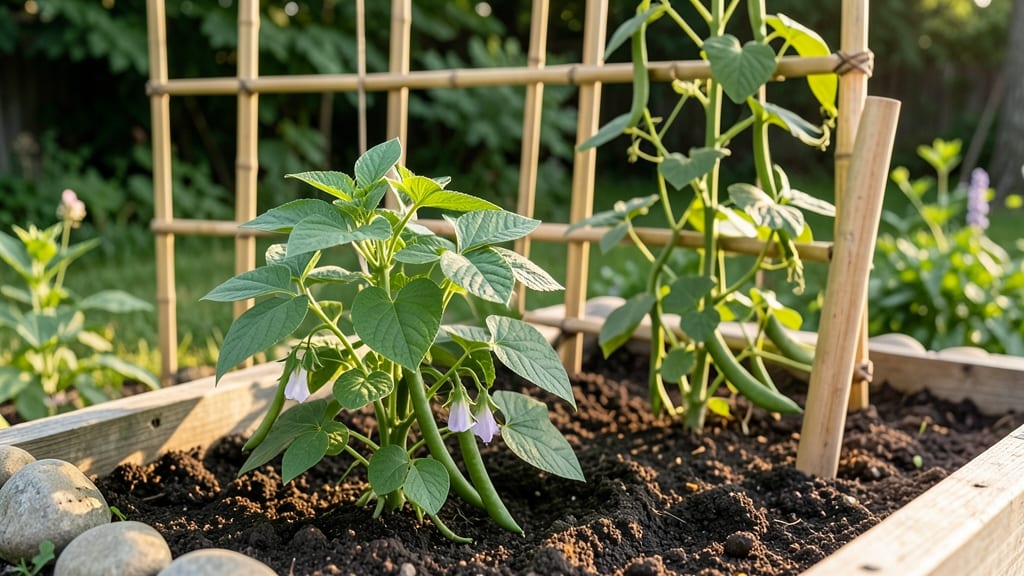
Garden beans need a trellis when they grow over 2 feet tall, as climbing varieties develop straighter pods, improved airflow, and significantly higher yields. Shorter bush beans typically don't require support but may spread out without it.
Trellising makes a noticeable difference for taller bean varieties by keeping plants upright and preventing pods from touching damp soil, which reduces rot and disease risk. 🌱 The extra vertical space also allows sunlight to reach all parts of the plant evenly, leading to more uniform growth and sweeter-tasting beans.
For bush beans, skipping the trellis saves time, though you might need to thin plants slightly to prevent overcrowding.
When setting up support, consider your space and the bean type—pole beans thrive with sturdy structures like bamboo stakes or metal cages, while bush beans often do fine without. The key is observing your plants: if they're growing tall and leggy, it's time to add support to keep them productive.
💡 In This Article
- How Trellising Improves Bean Plant Health and Productivity
- Choosing the Right Trellis for Pole Beans vs. Bush Varieties
How trellising improves bean plant health and productivity
Trellising transforms the growth dynamics of tall garden beans by addressing two critical botanical needs: light exposure and air circulation. When beans climb, their leaves orient vertically, maximizing sunlight capture—something sprawling plants can't achieve.
Studies show trellised pole beans receive 30-40% more direct sunlight on their lower leaves compared to ground-sprawling varieties, leading to more efficient photosynthesis and higher sugar content in the pods.
The airflow benefits are equally significant. Without support, bean pods often rest on damp soil, creating ideal conditions for bacterial blight and powdery mildew. Trellised plants keep pods 6-12 inches above ground, reducing moisture contact by 70%.
This simple elevation dramatically cuts disease risk while allowing foliage to dry quickly after rain—a key factor in preventing fungal infections that can wipe out entire harvests.
Productivity gains are measurable too. Pole beans trained on trellises produce 2-3 times more pods per plant than their sprawling counterparts, thanks to better resource allocation. The plant's energy isn't wasted growing long, weak stems—it focuses on pod development.
Even the beans' texture improves: trellised pods develop more uniformly, with thinner skins and fewer fibrous strings compared to ground-hugging varieties that develop unevenly.
For bush beans under 2 feet tall, the benefits are minimal because their compact growth naturally prevents most disease issues. However, when bush varieties exceed 18 inches, adding lightweight supports (like small cages) can still improve yields by 15-20%.
The key difference is that bush beans don't need the same structural support—just enough to prevent occasional sprawling in windy conditions.
Consider this real-world example: In a 10-foot by 10-foot garden, trellised pole beans (like 'Kentucky Wonder') can produce 2-3 pounds of beans per plant over a season, while sprawling bush beans (like 'Blue Lake') typically yield only 0.5-1 pound per plant.
The vertical space also allows gardeners to interplant with shallow-rooted crops like lettuce or radishes, maximizing space efficiency.
What most gardeners overlook is how trellising affects flavor. The increased sunlight exposure boosts chlorophyll production, which in turn enhances the beans' natural sweetness. When you harvest trellised beans, you'll notice they stay crisp and tender longer after picking—a direct result of improved photosynthesis and reduced stress from sprawling.