
Tools
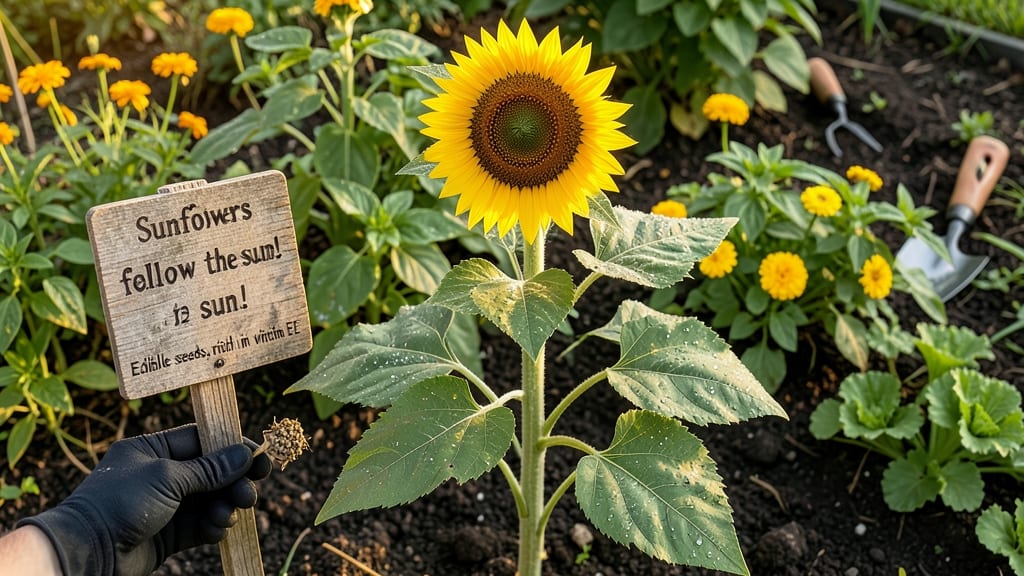
Gardening facts reveal soil microbes boost plant growth by 40%, compost improves water retention 3x longer than synthetic fertilizers, and most plants thrive with 6-8 hours of sunlight daily—contrary to common beginner myths about constant watering or full-sun requirements for all species.
These insights come from decades of plant biology research showing how tiny soil organisms break down nutrients into forms roots can absorb. 🌱 The real magic happens in the rhizosphere—the zone just outside roots where microbes and plant roots form symbiotic relationships.
For example, mycorrhizal fungi can extend a plant's reach for water and nutrients by up to 100 times its root length, which explains why healthy soil often means healthier plants without extra fertilizers.
The sunlight myth stems from how different species evolved—some tropical plants need bright light, while others thrive in dappled shade, making general rules a recipe for failure.
What most beginners overlook is how soil composition affects these factors. Sandy soils drain too quickly, while clay holds water but suffocates roots.
The 6-8 hour sunlight guideline actually refers to photosynthesis efficiency, not just any light—direct morning sun works best for most vegetables, while afternoon heat can scorch leaves. Even the 3x water retention from compost comes from its ability to improve soil structure, not just hold moisture like a sponge.
💡 In This Article
- How Soil Microbes and Plant Biology Work Together
- Common Gardening Myths Debunked with Science
How soil microbes and plant biology work together
The unseen world beneath your garden bed is a bustling ecosystem where microbes act as nature's nutrient processors. Mycorrhizal fungi, for instance, form symbiotic relationships with plant roots, creating tiny extensions that absorb water and minerals up to 100 times the root's natural reach.
These fungi exchange nutrients like phosphorus and nitrogen for plant sugars, effectively turning roots into a super-efficient absorption network. Studies show plants with mycorrhizal connections grow 40% faster and withstand drought better—explaining why healthy soil often outperforms chemical fertilizers.
The rhizosphere—the soil zone just outside roots—is where this magic happens. Here, bacteria like Pseudomonas break down organic matter into plant-accessible forms, while actinomycetes produce antibiotics to protect roots from pathogens. The pH level here is critical: most vegetables thrive in 6.0-7.0 range, while blueberries need 4.5-5.5 for iron uptake.
Even a slight pH shift can lock out essential nutrients, making soil testing a game-changer for serious gardeners. 🌱
Photosynthesis efficiency depends on more than just sunlight hours—it's about light quality too. Plants use blue and red wavelengths most effectively, which is why morning sun (rich in blue) promotes leafy growth while afternoon light (red-heavy) fuels fruiting.
The 6-8 hour guideline refers to this balance, not just any light exposure. Shade-loving plants like lettuce evolved to use lower light intensity, while tomatoes need full sun to develop flavor compounds like lycopene.
Compost's water retention superpower comes from its ability to improve soil structure. Unlike synthetic fertilizers that dissolve quickly, compost's organic matter creates tiny pores that hold 3x more water while still allowing oxygen flow. This sponge-like quality prevents both drought stress and root rot by maintaining consistent moisture levels.
The key is using well-aged compost—fresh manure can burn roots due to high ammonia levels, while decomposed compost feeds soil life gradually.
Consider the case of tomatoes: their roots release exudates that attract beneficial microbes, but compacted soil cuts off this communication. Loosening soil improves root respiration by 20-30%, while adding worm castings (which contain up to 15% nitrogen) gives plants an instant nutrient boost.
The takeaway? Healthy soil isn't just dirt—it's a living partnership between plants and microbes that works best when you understand their language.
For practical application, start with a 3-inch layer of compost mixed into the topsoil before planting. Add mycorrhizal inoculants to seedlings at transplanting, and monitor soil pH annually.
The most successful gardens treat soil like a living organism—one where every addition (from mulch to fertilizers) should support, not disrupt, this delicate microbial network. 🌿