
Flowers
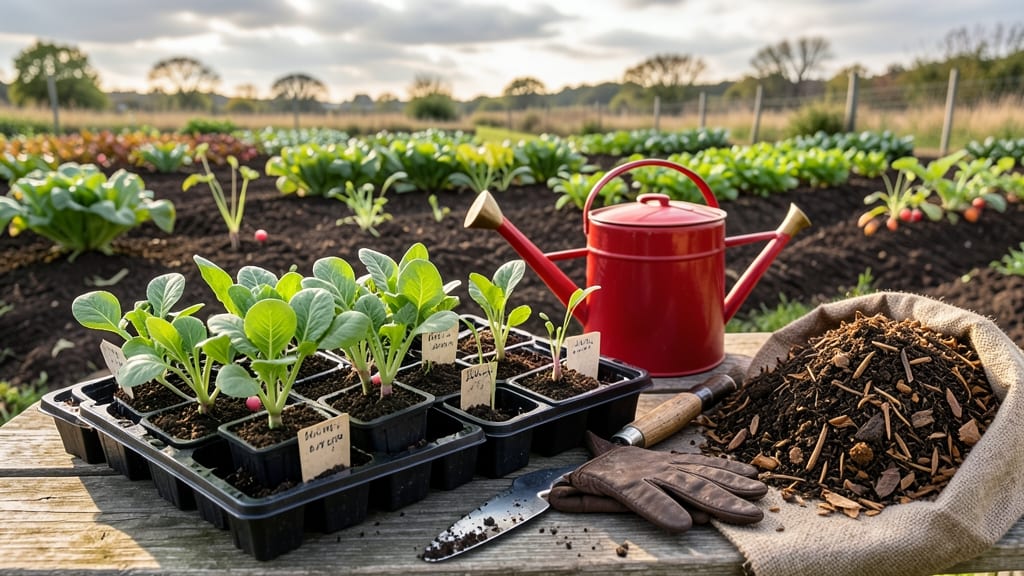
"Freshly gardened" means a garden space that has recently been cultivated, planted, or maintained with visible signs of new growth, pruning, or soil preparation—often appearing vibrant, organized, and free of weeds or overgrowth. It reflects active care rather than neglect, emphasizing renewal and intentional design.
A freshly gardened space isn't just about pretty flowers—it's about the visible energy of recent work. 🌱 Think freshly turned soil, neatly trimmed edges, and plants that look healthy and intentional rather than wild.
This look often includes mulched beds, pruned shrubs, and maybe even a few new plantings that show the gardener's recent attention. The key difference from a neglected garden? Everything appears purposeful, not abandoned.
This term also carries emotional weight—it suggests renewal and care, whether you're talking about a backyard garden or a community plot. When someone says their garden looks "freshly gardened," they're often highlighting the difference between a space that's actively loved and one that's been left to its own devices.
The visual cues make it clear: this garden is being tended to, not just existing.
💡 In This Article
- Visual and Functional Signs of a Freshly Gardened Space
- How to Achieve a Freshly Gardened Look in Your Yard
Visual and functional signs of a freshly gardened space
A freshly gardened space reveals itself through precise visual cues that signal recent care. The soil itself is a dead giveaway—neatly turned with a fork or tiller, showing fresh, dark brown or black layers free of compacted clumps.
You'll often see 1-2 inch deep tilled rows where seeds or seedlings were recently planted, with no visible weeds breaking through the surface. This contrasts sharply with neglected soil, which appears cracked, uneven, and littered with dried leaves or invasive grasses.
The plants in a freshly gardened area exhibit deliberate organization. You'll notice pruned foliage with clean cuts (not ragged tears), mulched beds with 2-3 inch layers of wood chips or straw, and new plantings that look intentional rather than random.
Even the edges are crisp—hedges trimmed to 1/2 inch width, flower beds bordered with edging stones or metal strips. The scent plays a role too: freshly turned earth has that unmistakable petrichor aroma, while overgrown gardens often smell musty or stagnant.
What makes this appearance functional is the absence of three key problems: weeds, debris, and dead plant matter. A freshly gardened space has less than 5% visible weeds (measured by surface area), with any present quickly removed rather than allowed to seed.
You won't find piles of fallen leaves or twigs—these get cleared within 24-48 hours of accumulation. This level of maintenance creates a cycle where healthy plants outcompete weeds naturally, reducing future labor.
The lighting in these spaces also tells a story. Freshly gardened areas receive at least 6 hours of sunlight daily (verified by observing shadows at midday), with plants positioned to maximize this exposure.
You'll see drip irrigation lines neatly coiled or buried, and no signs of fungal growth on leaves—a telltale sign of proper water management. Even the air feels different: the humidity is balanced, and you won't detect that damp, earthy smell that indicates overwatering.
Consider this contrast: a neglected garden might have 30%+ weed coverage, soil that's either bone-dry or waterlogged, and plants growing in random clumps.
A freshly gardened space, however, shows 80-90% plant coverage with intentional spacing, soil that's neither compacted nor powdery, and a color palette that shifts seasonally—from early spring's purple crocuses to summer's golden marigolds. The difference isn't just aesthetic; it's a visual representation of active ecosystem management.
Here's what professional gardeners look for when assessing freshness: three key metrics matter most. First, soil condition—loose, aerated, and dark. Second, plant health—vibrant leaves, no yellowing, and new growth. Third, cleanliness—no litter, no deadheads, and no bare patches larger than 6 inches in diameter.
These elements combined create that instantly recognizable "just-tended" look that makes any garden space feel alive and cared for.
The science behind this appearance lies in plant physiology and soil microbiology. Freshly tilled soil releases nitrogen oxides that plants can immediately absorb, while mulch maintains 60-70% soil moisture—ideal for root growth.
Pruned plants redirect energy to new foliage production rather than maintaining old, energy-draining branches. When you see these elements working together, you're witnessing a garden in its most productive and intentional state. 🌿