
Tools
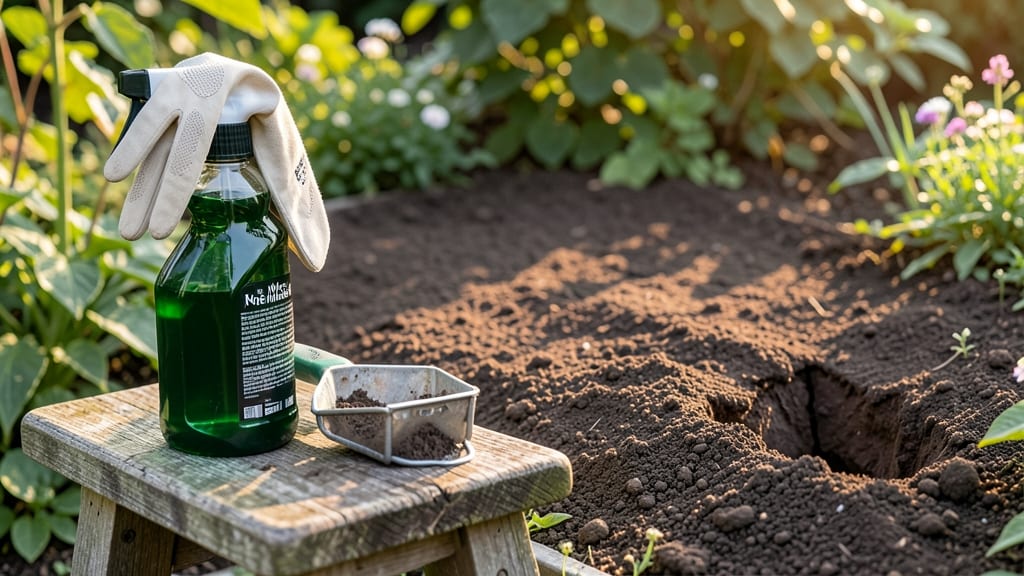
Garden bed sealants create a protective layer that shields soil from erosion, helps retain moisture, and reduces weed growth while maintaining breathability for roots. Organic options like mulch or synthetic polymers each offer distinct benefits depending on your garden's specific needs.
A garden bed sealant works by forming a thin, semi-permeable barrier that locks in moisture without suffocating plant roots. 🌱 Unlike plastic sheets that block airflow, these sealants allow water and oxygen to penetrate while preventing evaporation and soil compaction.
Organic choices—such as wood chips or straw—break down over time, enriching the soil, while synthetic options like acrylic coatings last longer but may require reapplication. The best choice depends on your soil type: clay benefits from moisture retention, while sandy soils need a sealant that prevents rapid drying.
For vegetable gardens, organic sealants are ideal because they decompose and add nutrients, whereas flower beds often benefit from synthetic options that provide a cleaner, longer-lasting finish. Always apply during dry weather to ensure proper adhesion and avoid disturbing the soil afterward.
💡 In This Article
- How Garden Bed Sealants Improve Soil Health
- Best Garden Bed Sealants for Different Soil Types
How garden bed sealants improve soil health
Garden bed sealants work by creating a thin, semi-permeable film that mimics nature's own moisture-retaining mechanisms. Think of it like the waxy cuticle on plant leaves—it slows water loss through evaporation while still allowing gases to pass through.
This barrier reduces soil compaction by preventing heavy rain from breaking down soil structure, which is especially critical in clay soils where particles can become densely packed.
The science lies in capillary action: sealants create tiny air pockets that trap moisture near roots while letting oxygen diffuse through, similar to how a well-aerated sponge holds water without suffocating.
The difference between organic and synthetic sealants comes down to their molecular structure. Organic options like wood chips or straw rely on physical coverage and gradual decomposition, adding organic matter that improves soil texture over time.
Synthetic sealants, such as acrylic polymers, form a more uniform layer that can last 1-3 years while providing up to 50% better moisture retention in sandy soils. The trade-off? Organic materials feed soil microbes, boosting nutrient cycling, while synthetics offer more consistent protection against erosion and weeds.
For example, a 1-inch layer of wood mulch can reduce evaporation by 30-40% compared to bare soil.
What most gardeners overlook is how sealants affect soil temperature. Dark-colored synthetic sealants absorb heat, creating a 5-10°F warmer microclimate that extends growing seasons for heat-loving plants. Conversely, light-colored organic mulches reflect sunlight, keeping roots cooler—ideal for leafy greens or herbs sensitive to heat stress.
The key is matching the sealant to your plants' needs: warm-season vegetables thrive under dark sealants, while cool-season crops benefit from lighter options. 🌿 This temperature modulation also influences microbial activity, with warmer soils accelerating decomposition of organic matter.
Another critical factor is how sealants interact with soil chemistry. Organic materials slowly release nutrients as they decompose, gradually improving soil pH and fertility. Synthetic sealants, however, remain inert and don't alter soil composition—making them safer for acid-loving plants like blueberries or hydrangeas where pH stability is crucial.
The choice often comes down to long-term goals: organic sealants build soil health over years, while synthetics offer immediate, low-maintenance protection. For example, a vegetable garden might benefit from compost-based sealants that replenish nutrients season after season.
Application technique also determines effectiveness. Properly installed sealants create a 0.1-0.2 inch thick layer that shouldn't exceed 1 inch—any thicker risks suffocating roots by blocking oxygen. The best time to apply is during dry, warm weather when soil is slightly moist but not wet.
For organic options, spread evenly and water lightly to help particles settle. Synthetic sealants often require a primer layer for adhesion, especially on rough or uneven surfaces. 💧 This attention to detail prevents common issues like cracking (from drying too quickly) or mold growth (from excessive moisture trapping).
Consider this real-world comparison: a 100 square foot garden bed in sandy soil might lose 2 gallons of water per day through evaporation without a sealant. Applying a polymer-based sealant could reduce that loss by 60% or more, while organic mulch would cut it by 30-40%.
The water savings translate directly to less frequent irrigation—critical during droughts or for water-conscious gardeners. For container gardens, sealants can extend the life of potting mixes by preventing the rapid breakdown that occurs when exposed to elements.
The long-term impact on soil structure is where organic sealants truly shine. Over 2-3 years, decomposed wood chips can improve soil's water-holding capacity by up to 20% while increasing organic matter content. Synthetic sealants, while effective, don't contribute to soil improvement—they simply preserve existing conditions.
This makes organic options ideal for new garden beds where soil building is a priority, while synthetics excel in established landscapes where maintenance efficiency matters more. 🌱