
Landscaping
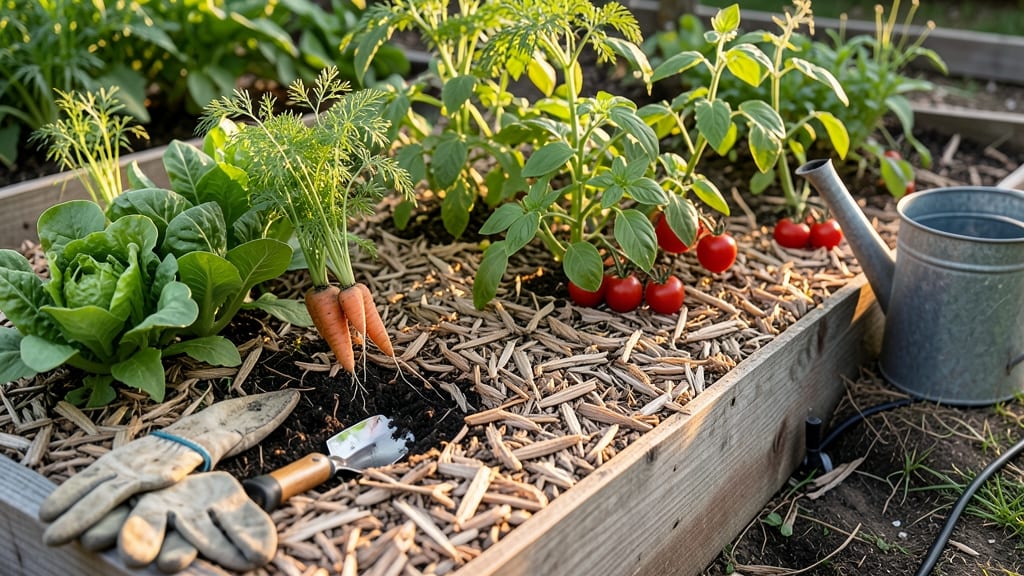
Cedar mulch can be good for vegetable gardens by suppressing weeds, retaining moisture, and repelling pests naturally, but its acidic nature may harm sensitive plants like potatoes and beans while benefiting acid-loving crops like tomatoes and peppers.
Cedar mulch's natural pest-repelling properties make it a favorite for gardeners, but its acidic breakdown (pH around 5.0-6.0) means it's not a one-size-fits-all solution. 🌱 For example, leafy greens like spinach often thrive under cedar because they tolerate slightly acidic soil, while root vegetables such as carrots may struggle.
The key is balancing cedar with other organic matter—like compost—to buffer the acidity over time. I've found that using cedar in smaller quantities (2-3 inches thick) minimizes risks while still delivering weed suppression and moisture retention benefits.
What sets cedar apart is its long-lasting decomposition—it breaks down slower than straw or grass clippings, providing extended protection. However, if you're growing pH-sensitive crops like eggplants or peppers, consider pairing cedar with hardwood mulch or even pine needles to create a more neutral growing environment.
The right approach depends entirely on your garden's specific needs and the plants you're cultivating.
💡 In This Article
- How Cedar Mulch Affects Soil pH and Plant Growth
- Best Cedar Mulch Uses and Alternatives for Vegetable Gardens
How cedar mulch affects soil pH and plant growth
Cedar mulch releases natural oils and compounds called phenols as it decomposes, which gradually lower soil pH by breaking down into organic acids. Fresh cedar mulch typically starts with a pH of around 5.0-6.0—slightly acidic—before further decomposition can push it closer to 4.5-5.5 over time.
This acidification happens because cedar contains tannins and lignin, which release hydrogen ions into the soil, similar to how pine needles acidify soil in forest ecosystems. 🌿 The rate of pH change depends on factors like rainfall, soil type, and mulch thickness (thicker layers accelerate acidification).
This acidity isn't uniformly harmful—it actually benefits certain vegetables. Tomatoes, for instance, prefer slightly acidic soil (ideal pH 6.0-6.8) and grow more vigorously with cedar mulch. The same goes for peppers and blueberries, which thrive in acidic conditions.
However, root vegetables like potatoes and carrots struggle because their growth is stunted in soil below pH 6.0. The roots can't absorb nutrients efficiently, leading to stunted growth or even rot.
Leafy greens like spinach and kale often tolerate cedar better because they don't rely as heavily on root depth for nutrient uptake.
The key mechanism here is nutrient availability. In acidic soil, essential minerals like phosphorus and calcium become less accessible to plants, while others like iron and manganese (which are toxic in excess) become more soluble.
This is why you might see yellowing leaves on plants like beans or peas when using cedar mulch—they're suffering from iron toxicity rather than deficiency. The solution? Mixing cedar with compost or lime (calcium carbonate) can buffer the acidity and create a more balanced growing environment for sensitive crops.
What most gardeners overlook is the long-term soil structure cedar mulch creates. As it decomposes, it forms a spongy, well-aerated layer that improves drainage while retaining moisture—critical for vegetables like lettuce and herbs.
The aromatic oils in cedar also act as a natural fungicide, reducing soil-borne diseases like damping-off in seedlings. However, this benefit comes with a trade-off: the same oils that repel pests can inhibit microbial activity in the soil, slowing down composting processes.
This is why cedar works best in layered systems where other organic materials (like straw or leaf mold) are present to support beneficial microbes.
For a practical example, consider a garden bed with both tomatoes and potatoes. If you apply cedar mulch uniformly, the tomatoes will likely thrive while the potatoes may show signs of stress—yellowing leaves or stunted tubers. The difference comes down to how each plant reacts to soil acidity.
Tomatoes, being part of the nightshade family, have evolved to handle slightly acidic conditions, whereas potatoes (also nightshades) are more sensitive to extreme pH shifts. This is why plant selection and mulch pairing are critical when using cedar in vegetable gardens.
To mitigate risks, I recommend testing your soil's pH before applying cedar mulch. A simple home test kit can reveal whether your soil is already acidic or neutral.
If your soil pH is above 7.0, cedar mulch can help lower it gradually, but if it's below 6.0, you'll need to balance it with lime or wood ash.
The goal is to keep the pH within the 6.0-7.0 range for most vegetables, adjusting based on the specific needs of your crops.