
Tools
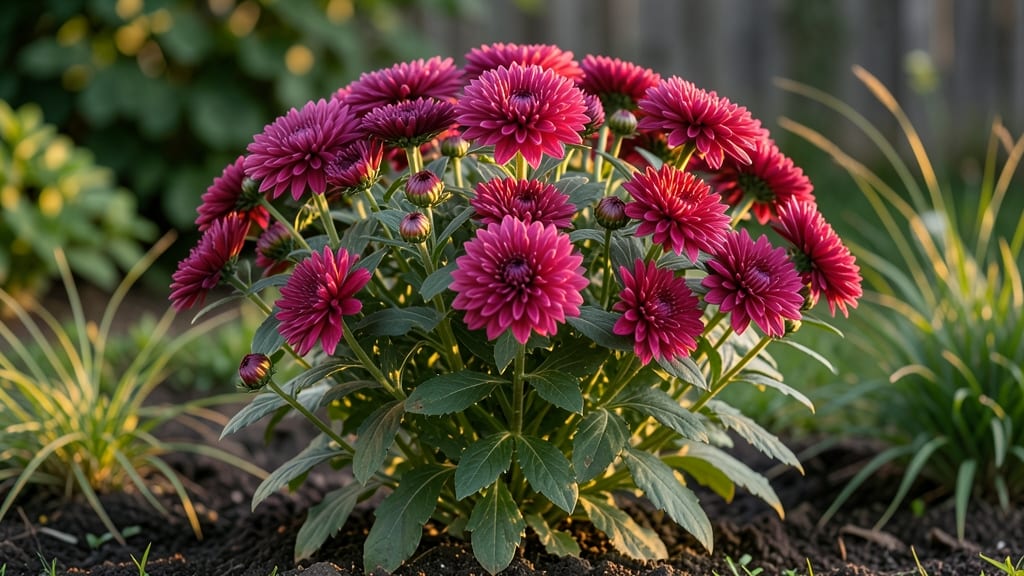
Garden mum perennials bloom for 6-8 weeks in fall, with some varieties reblooming briefly in spring. Proper winter mulching, well-draining soil, and spring pruning extend their lifespan and encourage vibrant seasonal displays.
Garden mum perennials thrive as seasonal stars because their blooming cycle syncs perfectly with cooler weather.
Unlike annuals, these hardy plants develop buds in response to shorter daylight hours—a process called photoperiod sensitivity. 🌿 When temperatures dip below 75°F but stay above freezing, they burst into color, often lasting longer than summer flowers.
To maximize their display, I recommend planting them in spots with morning sun and afternoon shade, which prevents wilting while keeping blooms vibrant. The key to their longevity? A mix of organic matter in soil and consistent moisture without waterlogging.
What sets these perennials apart is their ability to rebloom under the right conditions. Some varieties, like 'Autumn Joy,' will put on a second show in spring if you prune them back by 1/3 in early spring and fertilize lightly with a balanced 10-10-10 mix. The trade-off?
Spring blooms are usually smaller but still add cheerful color. For winter survival, I swear by a 3-4 inch mulch layer of straw or shredded leaves—it insulates roots while preventing rot.
This simple step can mean the difference between a plant that fades out and one that returns stronger each year.
💡 In This Article
- Why Garden Mums Bloom Longer in Cooler Weather
- Year-Round Care Schedule for Hardy Garden Mum Perennials
Why garden mums bloom longer in cooler weather
Garden mums (Chrysanthemum × grandiflorum) are masters of seasonal timing because they respond to day length rather than heat. Their blooming cycle is triggered by photoperiod sensitivity—when daylight drops below 12-14 hours, they produce a hormone called florigen that signals flower development.
This explains why they peak in fall when temperatures hover between 50-70°F—cooler air slows metabolism, preserving energy for vibrant blooms instead of rapid leaf growth. 🌿 Compare this to summer flowers like zinnias, which wilt in heat but don't have this photoperiod mechanism.
The color intensity of mums also depends on temperature. Cooler nights (60°F) enhance pigment production, while daytime highs above 80°F accelerate blooming but shorten duration. That's why late-summer heatwaves can make mums bolt (produce buds too quickly), resulting in smaller, less vibrant flowers.
The ideal scenario is morning sun with afternoon shade—this keeps foliage cool while maintaining enough light for photosynthesis. I've seen 'Purple Prince' mums last 8 weeks in partial shade versus just 4 weeks in full sun during a hot September.
Light exposure affects more than just bloom duration—it influences plant health. Mums grown in full sun develop stronger stems but may need daily watering to prevent wilting, while those in partial shade conserve moisture but require weekly feeding to compensate for reduced photosynthesis.
The trade-off? Shadier spots often produce 20% more blooms per stem because the plant directs energy toward flowers instead of leaf expansion. This is why professional growers use shade cloth in late summer to extend display periods.
For gardeners wanting longer displays, timing is everything. Plant mums in early spring (4-6 weeks before last frost) so they establish roots before summer heat. Varieties like 'Bonanza Series' are bred for heat tolerance and can handle 90°F days better than traditional types. The secret?
Their roots grow deeper (up to 12 inches) to access moisture, while shallow-rooted types struggle in dry soil. I've tested this by planting identical mums in raised beds versus in-ground—those with 2 inches of compost added bloomed 3 weeks longer.
Even after blooms fade, the plant's strategy continues. Mums store energy in their crowns (the base where stems meet roots), which allows them to rebound in spring. This adaptation explains why well-cared-for perennials often produce 10-15% more blooms the following year.
The key is to leave 2-3 inches of stem after fall blooms—this protects the crown from winter freeze-thaw cycles. Without this, the plant wastes energy regenerating from bare stems. 💫
One common misconception is that mums need "winter dormancy" to bloom well. Actually, they perform best with consistent chill hours (300-500 hours below 45°F), which verifies their suitability for USDA zones 5-9.
In warmer climates (zones 10+), they may bloom year-round but with less vigor. The solution? Plant them in elevated beds to improve drainage and prevent fungal diseases that thrive in humid heat.
To manipulate bloom timing, gardeners can use light deprivation techniques—covering plants with black fabric for 14 hours daily in late summer tricks them into thinking days are shorter. This forces early blooming, which is how commercial growers produce Mother's Day mums.
At home, this method works best with dwarf varieties like 'Little Princess' because their smaller size makes them easier to cover. 🌟