
Tools
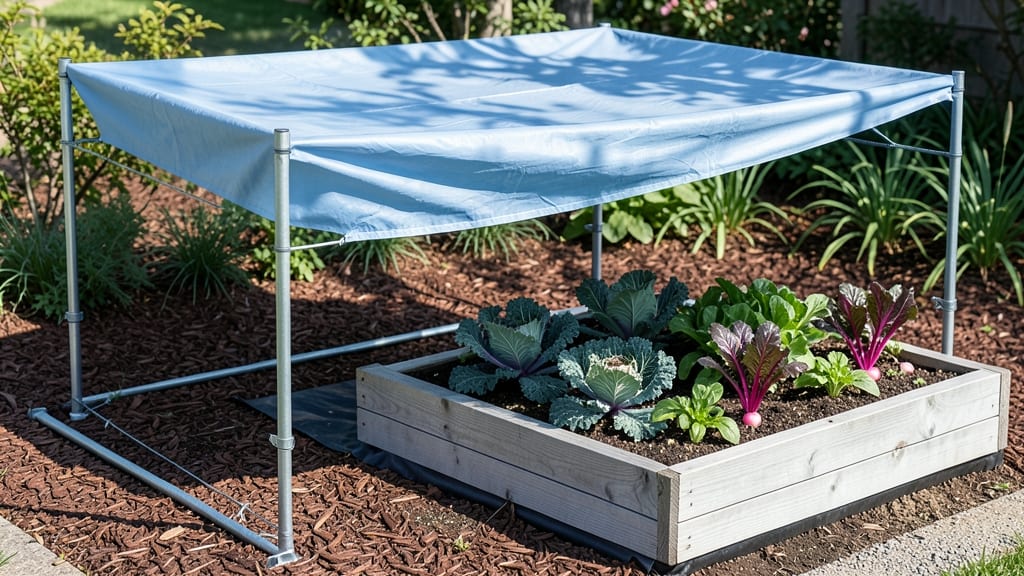
Shade cloth for garden beds protects plants from harsh sunlight, allowing you to extend growing seasons and prevent heat damage. Select based on blockage percentage—30% for tender plants, 50% for moderate sun exposure, and 70%+ for full shade—while prioritizing proper airflow during installation.
Shade cloth acts like a sunblock for your garden, filtering out harmful UV rays while still letting beneficial light through. 🌿 The right percentage keeps plants from wilting during heatwaves, especially in regions with intense afternoon sun.
For instance, leafy greens like lettuce thrive under 30-50% blockage, while delicate flowers often need 70%+ coverage to prevent scorching. I’ve found that using lightweight polypropylene fabric works best—it’s breathable, resists mildew, and lasts multiple seasons when properly supported with hoops or frames.
Installation matters just as much as the material. Secure the edges tightly to prevent wind damage, and leave at least 12 inches of clearance above plants to maintain airflow. This simple setup can mean the difference between thriving vegetables and stressed, sunburned foliage.
For hot climates, I recommend adjusting the coverage seasonally—50% in spring/fall and 70% in peak summer—to balance protection with light needs.
💡 In This Article
- How Shade Cloth Blockage Percentages Affect Plant Growth
- Selecting and Installing Shade Cloth for Optimal Garden Protection
How shade cloth blockage percentages affect plant growth
Shade cloth works by physically blocking a percentage of sunlight while allowing beneficial light to penetrate. The blockage percentage directly impacts how much UV radiation and heat reach your plants. At 30% blockage, about 70% of sunlight passes through, reducing heat by roughly 10-15°F compared to full sun.
This level is ideal for heat-sensitive crops like basil or spinach, which can bolt (go to seed prematurely) in intense sunlight. The remaining light still supports photosynthesis, just at a gentler intensity.
When you increase to 50% blockage, you're filtering out half the sun's energy, creating a "partial shade" environment. This is perfect for moderate sun-lovers like tomatoes or peppers, which need protection from midday heat but still require plenty of light.
Studies show that 50% shade cloth can reduce soil temperatures by up to 20°F during peak afternoon hours, preventing wilting while maintaining growth rates. The key here is balance—too little shade leaves plants vulnerable to heat stress, while too much can limit photosynthesis.
For delicate plants needing 70%+ blockage, you're essentially creating a shaded canopy effect similar to growing under a tree. This level is crucial for seedlings, tropical plants like ferns, or heat-sensitive flowers that would otherwise scorch.
The reduced light intensity triggers different growth patterns—plants grow taller and leafier rather than compact and stressed. However, be cautious: 70%+ blockage can reduce photosynthesis by 30-40%, so these plants often need supplemental nutrients to thrive.
The science behind this involves how plants respond to light intensity. Too much UV radiation triggers oxidative stress, damaging cell membranes and causing leaf burn. Shade cloth filters out the most harmful wavelengths while preserving the spectrum needed for photosynthesis.
Think of it like wearing sunscreen for your garden—it doesn't block all light, just the damaging parts. For example, a 30% blockage cloth might let through 60% of photosynthetically active radiation (PAR), while 70% blockage allows only about 30% PAR, which is why you'll see different growth responses.
Seasonal adjustments are critical too. In spring and fall, 30-50% blockage often suffices, but summer's intense rays demand 50-70% coverage. I've noticed that even sun-loving plants like cucumbers benefit from 40% shade cloth in peak summer months, as it prevents blossom-end rot caused by temperature fluctuations.
The right percentage isn't just about protection—it's about creating an optimal microclimate for your plants' specific needs.
One common mistake is assuming higher blockage always means better protection. While 90%+ blockage might seem ideal, it can actually stunt growth by limiting light too much. The goal is to find that sweet spot where plants get just enough protection without sacrificing their ability to photosynthesize.
For most gardeners, 30-70% blockage covers 90% of common needs, with the exact percentage depending on your plants and climate.