
Pests
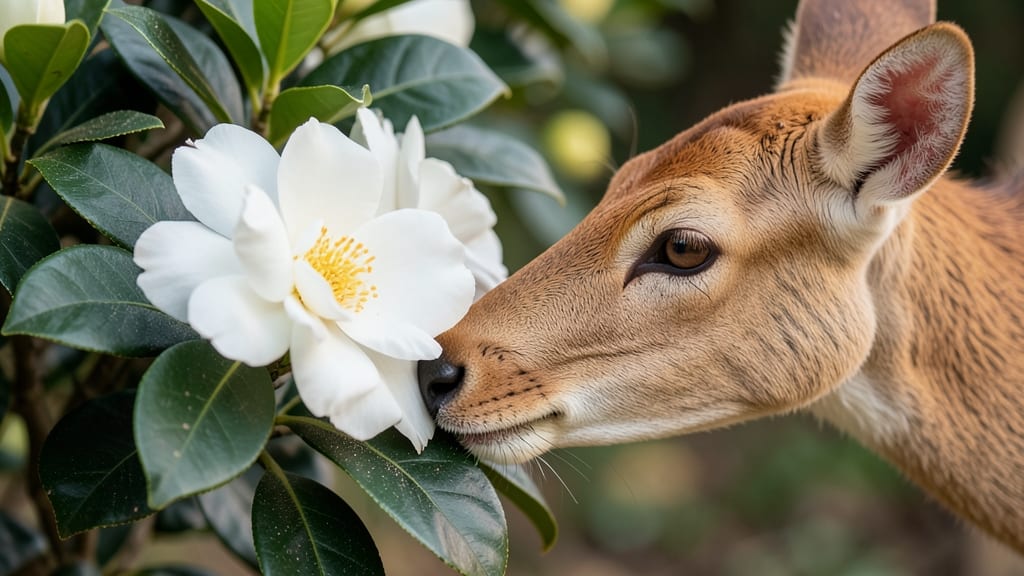
Gardenia plants attract deer because their sweet fragrance and delicate leaves make them irresistible, but you can protect them using natural repellents like companion plants, fencing, and deer-resistant sprays that preserve your garden’s balance.
Deer are naturally drawn to gardenias not just for their intoxicating scent, but also because the tender foliage is an easy snack. 🌿 The problem worsens during dawn and dusk when deer forage, often leaving your prized plants chewed or trampled.
What’s frustrating is that these plants can be difficult to replace—many gardenias take years to mature and bloom again after damage. The good news? A combination of physical barriers and scent-based deterrents can create a garden deer will avoid without harming the environment.
For example, planting deer-resistant shrubs like boxwood or lavender around your gardenias creates a natural buffer. These plants emit scents deer dislike, while their dense growth makes it harder for deer to access your gardenias.
Pair this with a simple homemade spray—mix garlic, hot peppers, and water—and reapply every few weeks for added protection. The key is consistency: deer learn to avoid areas where they encounter unpleasant surprises.
💡 In This Article
- Why Deer Love Gardenias and How They Damage Them
- Natural Deer Deterrents for Gardenias: Plants, Scents, and Barriers
Why deer love gardenias and how they damage them
Deer are drawn to gardenias primarily because their highly fragrant blooms contain volatile organic compounds (VOCs) like linalool and geraniol, which mimic the scent profiles of deer's natural food sources. These compounds trigger their foraging instincts, especially during spring and summer when deer seek fresh, nutrient-rich greens.
The tender, glossy leaves of gardenias provide an easy-to-digest snack, making them a high-value target compared to tougher plants like oak or pine.
The damage patterns from deer typically include browsing (chewing leaves and stems) and trampling (stepping on plants during foraging). A single deer can strip a mature gardenia of 70-80% of its foliage in a night, leaving behind jagged edges and broken branches.
The roots often remain intact, but repeated damage stresses the plant, reducing its ability to produce flowers. 🌸 In severe cases, deer will even dig around the base to access underground stems, which can kill the plant entirely if the root system is compromised.
Seasonal activity peaks during dawn and dusk, when deer are most active and their natural predators are least visible. The scent of gardenia blooms becomes even more potent in warm, humid conditions, which is why late spring and early summer are particularly vulnerable periods.
Young gardenias are especially at risk because their smaller size makes them easier for deer to reach and consume entirely. Unlike mature plants that can regrow foliage, young gardenias may suffer irreversible damage if not protected early.
Deer also have a strong memory for food sources. Once they discover a gardenia's scent and taste, they'll return repeatedly unless deterred. This is why a single incident of browsing can escalate into chronic damage if not addressed promptly.
The combination of scent attraction and easy access makes gardenias a deer's dream meal—and a gardener's nightmare. Understanding this behavioral pattern is the first step in implementing effective protection strategies.
Interestingly, deer are less likely to target gardenias when they encounter competing scents or physical barriers. For example, plants like rosemary or thyme emit strong aromas that mask the gardenia's fragrance, making it harder for deer to locate their preferred snack.
This natural masking effect is one of the reasons companion planting works so well as a deterrent. The key is creating a garden ecosystem where deer find gardenias less appealing than other available options.
Another critical factor is the gardenia's growth habit. These plants often have a woody, multi-stemmed structure that makes them more resilient than herbaceous plants, but their delicate blooms and new growth are still vulnerable.
Deer will often target the youngest, most tender leaves first, which can stunt the plant's growth and reduce flowering potential. This selective feeding behavior means even mature gardenias can suffer significant setbacks if deer activity isn't controlled.