
Planting
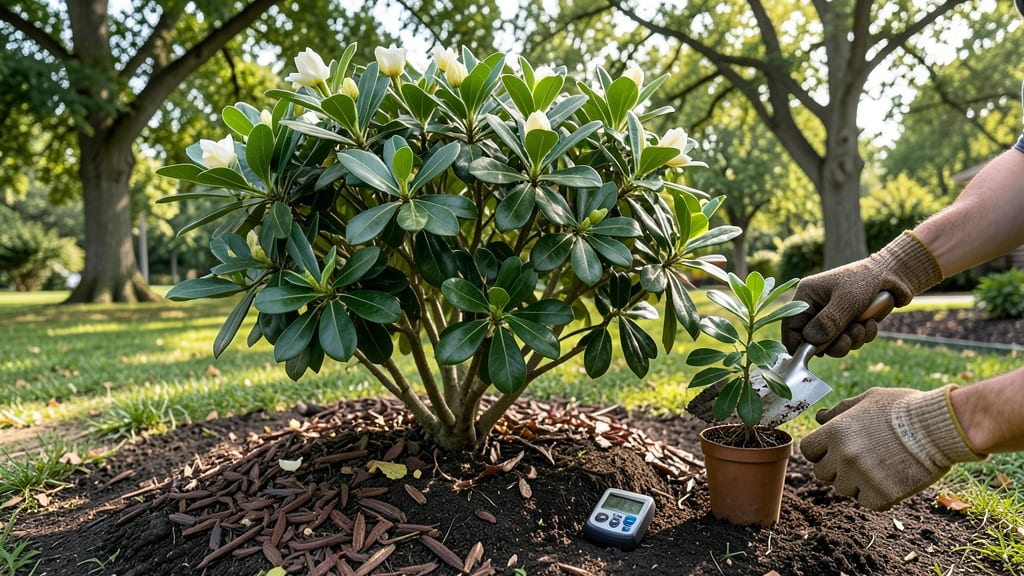
Gardenia planting zone favors USDA Zones 7 through 11, where frost-free winters and warm temperatures create ideal conditions for these tropical beauties to flourish.
These zones provide the perfect balance of warmth and humidity gardenias crave, with winter lows rarely dipping below 10°F (-12°C). 🌸 In colder regions, gardenias can still thrive with proper care—like container growing or winter protection—but they’ll need extra attention to mimic their native tropical environment.
The key is maintaining consistent moisture and sheltering them from harsh winds or freezing temperatures, which can damage their delicate foliage and buds.
For gardeners in Zones 6 or below, consider planting gardenias in large containers that can be moved indoors during winter or wrapped in frost cloth.
The soil should always stay moist but never soggy, as waterlogged conditions can lead to root rot—a common issue in cooler climates where drainage might be slower.
Partial shade is also crucial, especially in hotter zones, to prevent the leaves from scorching while still allowing enough light for those signature white blooms to develop.
💡 In This Article
- USDA Zones 7-11: Ideal Climate Conditions for Gardenias
- Gardenia Planting Tips for Marginal Zones 6-7
USDA zones 7-11: ideal climate conditions for gardenias
Gardenia plants originate from tropical and subtropical regions of Asia and the Pacific, which explains why they thrive in USDA Zones 7-11. These zones provide the critical combination of warm temperatures and high humidity that gardenias need to produce their signature fragrant blooms.
The key factor is avoiding temperatures below 32°F (0°C), as gardenias are highly sensitive to frost and cold snaps. Even brief exposure to freezing temperatures can cause chilling injury, where the leaves develop brown spots or the buds fail to open properly. 🌿
The ideal temperature range for gardenias during their active growing season (spring to fall) is between 65-85°F (18-29°C). This warmth triggers the metabolic processes that lead to bud formation and flowering. Humidity levels should stay above 50%, as gardenias are adapted to lush, moist environments.
In drier zones like parts of Zone 10, you may need to mist the plants regularly or use a humidity tray to replicate their natural habitat. Sunlight requirements are another critical factor—gardenia plants prefer morning sun and afternoon shade, as direct afternoon sunlight can scorch their delicate leaves.
Seasonal care varies significantly across these zones. In Zone 7, where winter lows can occasionally dip near 0°F (-18°C), gardenias may go dormant or require winter protection like thick mulch or frost cloth.
Meanwhile, in Zones 9-11, where winters are mild, gardenias can remain active year-round with consistent watering and fertilization. The soil must also be well-draining to prevent root rot, which is a common issue in heavier soils or areas with poor drainage.
A slightly acidic soil pH between 5.0-6.5 further supports optimal growth and flowering. 🌸
What most gardeners don't realize is that gardenias have a unique relationship with their environment that goes beyond just temperature. The blooms themselves are highly sensitive to environmental stressors—even slight fluctuations in humidity or sudden temperature drops can cause buds to drop before opening.
This is why gardenias in Zone 11 (like Florida or Hawaii) often produce more consistent blooms than those in Zone 7, where winter conditions create more variability. The key to success in cooler zones is creating a stable microclimate that mimics their tropical origins as closely as possible.
Consider this comparison: A gardenia in Zone 10 (like Southern California) will receive about 250-300 frost-free days per year, while one in Zone 7 (like parts of North Carolina) may only get 180-220 frost-free days.
This shorter growing season in Zone 7 means gardeners must time their planting carefully—typically in late spring after the last frost—to give the plants enough time to establish roots before cooler weather arrives.
In contrast, gardenias in Zone 11 can be planted year-round, though they'll still benefit from a period of adjustment to their new environment.