Plants
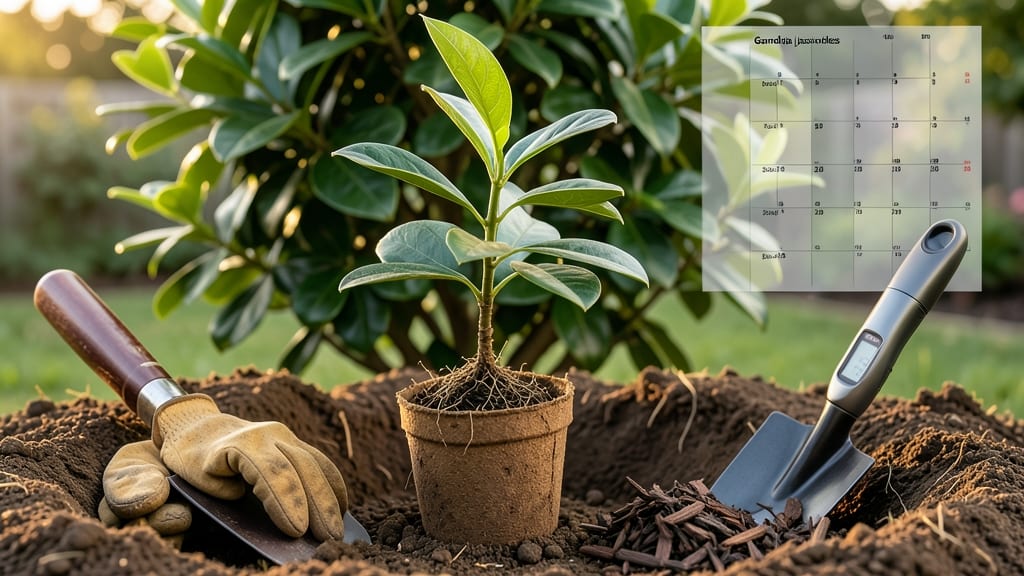
To plant gardenias in NC, aim for late March through April after the last frost — timing that turns dormant roots into vibrant blooms.
You’ve probably heard gardenias love humidity, but even the hardiest 🌸 shrubs will struggle if planted too early or late. In Zones 7b-8b, waiting until soil warms and frost risk fades is the secret to lush, fragrant growth.
North Carolina’s microclimates mean coastal areas like Wilmington can plant two weeks earlier than inland spots near Raleigh. The trick? Check your local frost dates and soil temps to avoid stunted growth.
Below, I’ll break down the exact planting windows by zone, plus pro tips for soil prep and aftercare to keep your gardenias thriving year-round.
Optimal planting windows for gardenias in NC by microclimate Zone
North Carolina’s climate varies dramatically from the coastal humidity of Wilmington to the drier Piedmont of Raleigh, creating distinct planting windows for gardenias.
These fragrant shrubs (Zone 7b-9a) need precise timing to thrive—plant too early, and frost will damage tender roots; too late, and summer heat stress sets in. Let’s break down the ideal planting months for each microclimate zone to maximize your gardenia’s potential.
Gardenias are heat-sensitive when young but crave warmth once established. In Zone 7b (e.g., Asheville), where late frosts linger until mid-April, your window is tight. Meanwhile, Zone 9a (e.g., Fayetteville) enjoys a longer spring, allowing for more flexibility.
Coastal areas also face unique challenges like salt spray and higher humidity, which can delay planting by weeks compared to inland zones.
Key factors to consider: soil temperature (ideal: 60°F+), frost-free dates, and your gardenia’s root establishment speed. Bare-root plants need 4-6 weeks to acclimate, while container-grown gardenias can handle planting 2 weeks earlier in warmer zones. Let’s dive into the zone-by-zone breakdown to pinpoint your perfect planting window.
🌸 Pro Tip: Always test your soil’s acidity (pH 5.0-6.0) before planting—gardenias won’t thrive in alkaline soil, no matter the timing.
In Zone 7b, where frosts can linger until mid-April, I recommend waiting until April 15 to plant gardenias. The soil should be at least 60°F—use a soil thermometer to check.
For container-grown plants, you can push it to early April if nights stay above 45°F. In my experience, bare-root plants struggle in cooler soils, so don’t rush—patience prevents root rot.
For Zone 8a gardeners (like me in Raleigh), the March 20–April 30 window is ideal. This gives your gardenia time to establish roots before summer’s 90°F+ heat waves. I’ve found that planting in late March yields the most blooms by summer—just mulch heavily to retain moisture.
If you’re in a hotter microclimate (e.g., near Sanford), opt for morning planting to reduce transplant shock.
Gardeners in Zone 8b (Charlotte area) have the earliest window: March 1–April 15. The key here is soil prep—amend your garden bed in January with peat moss to maintain acidity.
Container plants can go in 2 weeks earlier because their roots stay warmer. I’ve seen gardenias in this zone bloom by June if planted by mid-March.
Coastal Zone 9a (Wilmington, Fayetteville) offers the longest window, but don’t get overconfident. Plant between February 15–March 31, but watch for salt spray near the shore—it can burn young leaves.
I’ve had success planting in late February when soil temps hit 55°F, but always rinse plants after
How to adjust planting time for coastal vs. inland NC climates
North Carolina’s coastal and inland climates create two very different growing conditions for gardenias. In Wilmington (Zone 8b), salt spray and higher humidity mean you can plant 2-3 weeks earlier than in Raleigh (Zone 7b), where cooler nights and drier air slow root establishment.
Understanding these differences is key to avoiding root shock or fungal issues.
Coastal areas like Morehead City experience milder winters and faster soil warming, letting you start gardenias in mid-March. Meanwhile, inland spots near Asheville (Zone 7a) should wait until late April to avoid late frosts. The soil temperature is your best guide—aim for 60°F+ before planting.
⚠️ callout-warning ⚠️
⚠️ Coastal vs. Inland Planting Pitfalls
Coastal gardeners: Watch for salt burn—rinse soil with fresh water after planting near oceanfront properties. Inland gardeners: Avoid planting too early—cold snaps in April can kill tender roots. Both regions need well-draining soil to prevent root rot from excess moisture.
Humidity plays a double-edged role for gardenias. Coastal areas benefit from natural moisture retention, reducing your watering needs. However, the higher humidity also increases fungal risks like powdery mildew.
Inland zones like Greensboro require more frequent watering but face fewer fungal threats. Always mulch heavily (3-4 inches) to balance moisture levels.
Soil temperature is the deciding factor for both regions. Use a soil thermometer to confirm 60°F+ before planting. Coastal soils warm 2 weeks earlier than inland clay soils. If your soil stays cool, opt for container planting—pots warm up faster and give you control over drainage.
For coastal NC, aim for March 15-April 15 planting. Inland areas should wait until April 1-April 30. Both regions can also plant bare-root gardenias in fall (October-November), but coastal areas have a slightly longer window due to milder winters. Always acclimate potted plants for 1-2 weeks before transplanting.
Pro tip: Test your soil pH before planting—gardenias thrive in acidic soil (5.0-6.0). Coastal soils are often slightly saltier, so amend with peat moss or sulfur to maintain ideal pH. Inland gardeners may need to add pine bark fines to improve acidity naturally.