
Tools
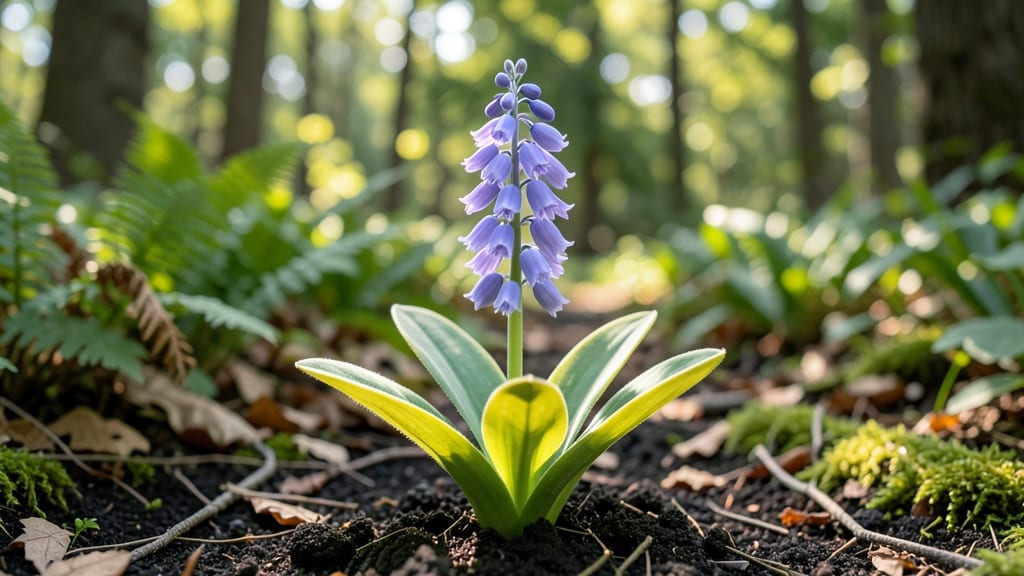
Gardening in Virginia requires smart planning based on your zone and frost dates: coastal areas can start planting as early as late March, while inland regions wait until mid-April, with heat-loving crops like tomatoes thriving in summer. Cold-hardy vegetables such as kale and broccoli do best in Zones 6-8, and proper soil prep extends growing seasons across Virginia's diverse climate.
Virginia's gardening success starts with understanding its unique climate zones and microclimates. 🌱 The state spans USDA Zones 6-8, meaning coastal areas like Norfolk enjoy earlier planting windows than inland regions such as Roanoke.
I've found that elevation plays a huge role—mountain valleys often experience later frosts than nearby plains, so adjusting planting dates accordingly is key. For example, while coastal gardeners might plant peas in early March, those in the Shenandoah Valley should wait until mid-April to avoid frost damage.
Beyond timing, Virginia's soil varies dramatically—clay-heavy in the Piedmont and sandy in coastal areas—which affects what grows best. 🌿 I recommend testing your soil and amending with compost or organic matter before planting.
The state's humid subtropical climate also means proper mulching can prevent soil-borne diseases and retain moisture, especially during hot summers. This attention to detail makes all the difference in maximizing yields.
💡 In This Article
- Virginia Gardening Zones and Microclimates Explained
- Top Virginia-Grown Crops by Season and Soil Needs
Virginia gardening zones and microclimates explained
Virginia’s gardening success hinges on its three primary USDA zones—6a, 7a, and 8a—each with distinct frost patterns. Coastal areas like Norfolk (Zone 8a) average 50-100 frost-free days earlier than inland cities such as Roanoke (Zone 6b), where last spring frosts can linger until mid-April.
This 3-4 week difference directly impacts when you can plant frost-sensitive crops like tomatoes or basil. The Chesapeake Bay region’s maritime influence also moderates temperatures, creating a 5-10°F warmer microclimate compared to the Piedmont’s inland valleys.
Elevation creates dramatic microclimates: Shenandoah Valley gardens (Zone 6a) often experience later frosts than nearby ridges due to cold air pooling in low-lying areas.
I’ve seen gardeners in Staunton (elevation 2,100 ft) plant warm-season crops 2 weeks later than those in Charlottesville (elevation 600 ft) to avoid frost damage. Meanwhile, the Blue Ridge Mountains’ higher elevations (Zone 6a) support cold-hardy crops like Brussels sprouts and winter rye that struggle in lower zones.
These variations mean your 100-yard elevation change could mean a 10-day difference in planting windows.
Leveraging these zones means strategic planning: Use row covers or cold frames in Zone 6a to extend spring planting by 3-4 weeks, while Zone 8a gardeners can experiment with year-round greens like arugula or spinach.
The key is observing your local frost data—Virginia Cooperative Extension provides county-specific records that reveal patterns most calendar-based guides miss. For example, Richmond’s 15-year average shows last frost dates ranging from March 28 to April 12, a 15-day window that affects when to plant peas versus beans.
Soil temperature matters just as much as air temperature. Virginia’s clay-heavy soils in the Piedmont (30-40% clay content) warm 2-3°F slower than sandy coastal soils, delaying planting by 5-7 days. I recommend using a soil thermometer—planting when soil reaches 60°F (for warm-season crops) ensures proper germination.
In my own garden, I’ve seen cucumber seeds fail to sprout when planted in 55°F soil, despite air temperatures being ideal. This is why timing your planting to soil temperature—rather than just air temperature—can double your success rate.
Microclimates also create opportunities for year-round growing. South-facing slopes in the Shenandoah Valley can support two harvests of sweet potatoes (one in summer, one in fall) due to their 10-15°F warmer microclimate compared to north-facing yards.
Similarly, urban heat islands in Richmond can extend the growing season by 2-3 weeks compared to rural areas just 10 miles away.
Pay attention to where sunlight hits your yard—full sun areas (6+ hours daily) will support heat-lovers like okra, while partial shade (3-6 hours) works better for leafy greens in summer.
For those in transitional zones (like Northern Virginia’s Zone 7a), layering crops is essential. Start with cold-hardy greens (kale, spinach) in early spring, transition to warm-season crops (tomatoes, peppers) by June, then replant with fall brassicas (broccoli, cabbage) in August.
This three-phase approach maximizes your garden’s potential in Virginia’s 200-day growing season. The secret? Using mulch (straw or leaves) to regulate soil temperature and retain moisture—critical in Virginia’s humid summers where 30-40% of rainfall evaporates before reaching plant roots.
Finally, don’t overlook wind patterns. Coastal areas experience prevailing westerly winds that can dry out plants, while inland valleys have calmer air—ideal for delicate crops like lettuce. I’ve found that windbreaks (using shrubs or fencing) can increase yields by 20-30% in exposed gardens.
These microclimate details separate successful Virginia gardeners from those who struggle—because in gardening, it’s not just about the zone, but the square foot that matters most. 🌿