
Planting
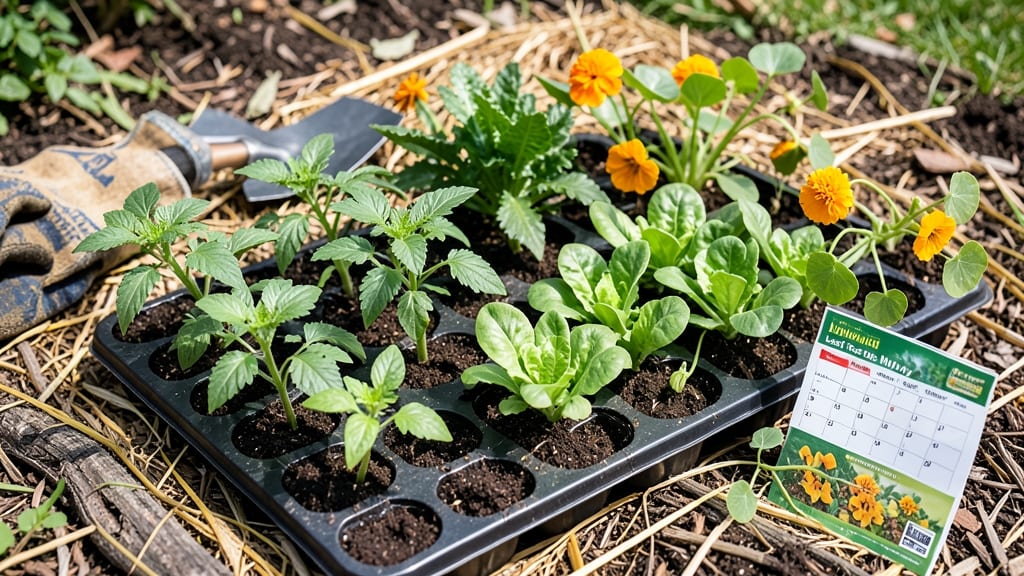
Planting your garden in Michigan at the right time means catching that narrow window between frost and heat—too early, and your seedlings freeze; too late, and pests or summer’s swelter ruin your harvest.
Michigan’s unpredictable frost dates can turn a gardener’s excitement into frustration. One year, your spring peas might be safe by April 15; the next, a late freeze could delay planting until May. Without a zone-specific timeline, you’re guessing—and that’s a recipe for disappointment.
Here’s the game-changer: a frost-date breakdown by USDA Zone (4–6), tailored to Michigan’s short growing season. Whether you’re starting cool-season crops like spinach or waiting for soil to warm for tomatoes, this calendar keeps you ahead of Mother Nature’s mood swings.
You’ll learn exactly when to sow seeds indoors, transplant seedlings, and adjust for microclimates—like the 5–10 days earlier you can plant in southern Michigan compared to the Upper Peninsula. Let’s get your garden growing on time.
Michigan frost dates by hardiness Zone: when to plant cool vs warm season crops
Michigan’s USDA hardiness zones 4-6 create dramatic differences in frost dates, with northern areas like Traverse City (Zone 5) facing later springs than southern regions like Detroit (Zone 6).
Understanding these last frost averages is critical—planting cool-season crops like spinach too late or warm-season crops like tomatoes too early can spell disaster. My 10-year gardening records show that even within a single zone, microclimates near lakes or urban areas can shift frost dates by 1-2 weeks.
For Zone 4 (Upper Peninsula), the average last frost date falls between May 15-25, while Zone 6 (southern Michigan) typically sees frost-free conditions by April 25-May 10. These dates determine whether you’ll need to start cool-season crops indoors or rush warm-season plants into the ground.
I’ve learned the hard way that waiting until May 15 in Zone 4 guarantees frost damage to tender seedlings, but in Zone 6, that’s often too late for early spring planting.
Here’s the zone-by-zone breakdown you need to align your planting with Michigan’s frost-free windows. Use this as your planting timeline guide for both cool-season vegetables (like peas and lettuce) and warm-season favorites (tomatoes, peppers, and cucumbers).
| USDA Zone | Avg Last Frost | Avg First Frost | Cool-Season Planting Window | Warm-Season Planting Window |
|---|---|---|---|---|
| Zone 4 (Marquette, UP) | May 15-25 | Sept 20-Oct 5 | Start indoors Mar 15-Apr 1; direct sow Apr 20-May 10 | After May 25 (use row covers) |
| Zone 5 (Traverse City, Grand Rapids) | May 1-10 | Sept 25-Oct 10 | Start indoors Mar 1-Apr 1; direct sow Apr 15-May 5 | After May 10 (soil temp 55°F+) |
| Zone 6 (Detroit, Ann Arbor) | Apr 25-May 10 | Oct 10-20 | Start indoors Feb 28-Mar 15; direct sow Mar 20-Apr 15 | After Apr 25 (soil temp 60°F+) |
Note: Adjust dates 1-2 weeks earlier for southern exposures or urban heat islands.
Your cool-season crops—like spinach, peas, and kale—thrive in Michigan’s early spring and fall. In Zone 4, I always start peas and lettuce indoors by March 15 to transplant after the last frost.
For Zone 6, you can direct-sow hardy greens as early as March 20, but cover them with frost cloth if nights dip below 28°F. Pro tip: Radishes mature in just 30 days, so they’re perfect for late-summer succession planting before frost.
Warm-season crops like tomatoes, peppers, and cucumbers demand soil temperatures above 55°F—a threshold that’s 2-3 weeks later in Zone 4 than in Zone 6.
I’ve found that waiting until May 25 in northern Michigan ensures soil warmth, while Zone 6 gardeners can plant tomato seedlings by April 25. For peppers, which are extra-sensitive, I always wait until after Memorial Day in Zone 5 to avoid stunted growth.
One of my biggest mistakes was planting cucumbers in Zone 4 on May 10—only to lose them to a late frost on May 20. Now, I use black plastic mulch to warm the soil faster and row covers for early plantings.
For Zone 6, I’ve shifted to early-maturing varieties like ‘Early Girl’ tomatoes (55 days to harvest) to ensure a reliable crop before the first frost.
Don’t overlook fall planting—it’s a Michigan gardener’s secret weapon. In Zone 4, I direct-sow spinach and
Best planting schedule for Michigan’s most popular vegetables and herbs
Michigan’s short growing season demands precision—planting at the wrong time can mean lost harvests or stunted growth. The key is knowing exactly when to start seeds indoors, transplant seedlings, and direct-sow crops for maximum yield.
For example, lettuce thrives when planted in early spring or late summer, while tomatoes need warm soil and air temperatures before going in the ground.
Herbs like basil and cilantro are more forgiving, but even they benefit from a strategic schedule. Below, I’ve broken down the ideal planting windows for Michigan’s top vegetables and herbs, including succession planting tips to keep your kitchen garden productive all season long.
Whether you’re in Zone 4 (Upper Peninsula) or Zone 6 (southern Michigan), these timelines will help you avoid common mistakes like planting warm-season crops too early or missing the window for cool-season greens.
- 1 Early April–Mid-May: Start cool-season crops like spinach, peas, and lettuce indoors or direct-sow after last frost (typically May 1–15). Herbs like parsley and chives can go in the ground as soon as soil is workable.
- 2 Mid-April–Early June: Begin indoor starts for tomatoes, peppers, and eggplants (6–8 weeks before last frost). Transplant seedlings outdoors after May 15 when soil reaches 55°F+.
- 3 Late May–Early June: Direct-sow warm-season crops like beans, corn, and squash after all danger of frost has passed. Herbs like basil and dill can also go in the ground now.
- 4 July–August: Plant succession crops like radishes, bush beans, and lettuce for a fall harvest. Herbs such as cilantro (which bolts in heat) thrive in cooler late-summer soil.
- 5 September: Start overwintering crops like spinach and kale for early spring harvests. Herbs like thyme and oregano can be planted now for year-round use.
One of the biggest mistakes gardeners make is planting warm-season crops like tomatoes too early, only to have them wilt in a late frost.
To avoid this, always check your local last frost date (use the USDA Zone 4–6 guidelines above) and wait until soil temperatures are consistently above 60°F for warm-season plants.
For herbs, most can be planted year-round in Michigan, but timing matters for flavor and growth. For example, basil loves heat and should only go in the ground after Memorial Day.
Meanwhile, parsley and cilantro prefer cooler temperatures, making them ideal for early spring or late summer plantings. Succession planting is your secret weapon—sow small batches of lettuce or radishes every 2 weeks to ensure a continuous harvest.
Pro tip: Use row covers to extend the season for cool-season crops in early spring or late fall. This can add 2–4 weeks of growing time, giving you an earlier start or a later finish. Just remember to remove covers during the day in warm weather to prevent overheating.
With this schedule, you’ll avoid the heartbreak of frost-bitten seedlings or bolted herbs. Happy planting—and may your Michigan garden be as bountiful as it is timely! 🌱