
Tools
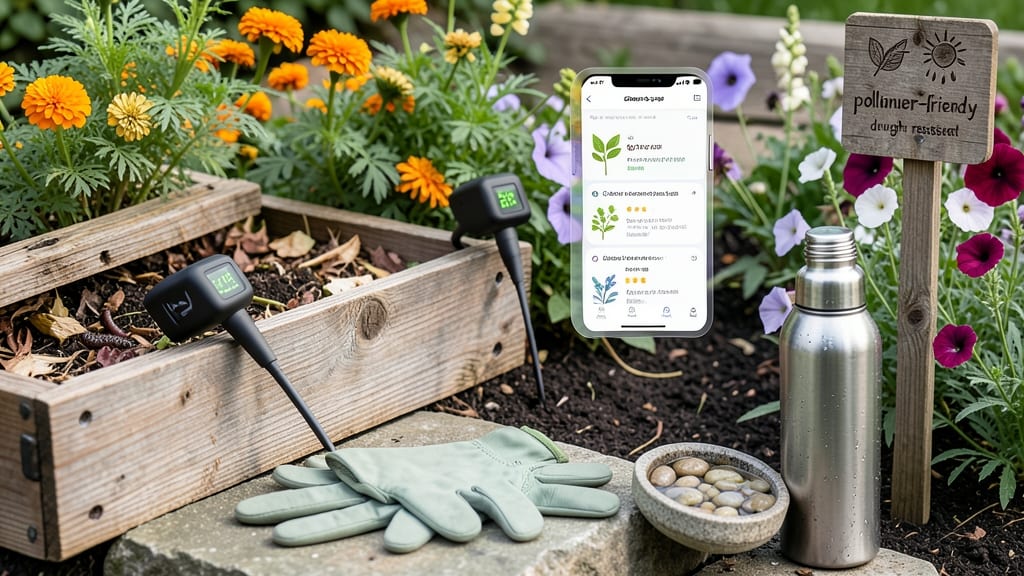
Today's gardening news reveals 2024's biggest shifts: drought-resistant plant varieties are dominating seed catalogs, AI-powered soil monitors are becoming mainstream for home gardeners, and vertical farming systems are popping up in urban backyards as climate change forces creative solutions.
This year's gardening scene is all about resilience and technology. 🌱 The push for climate-smart plants—like heat-tolerant tomatoes and flood-resistant greens—reflects how gardeners are responding to unpredictable weather. Meanwhile, affordable soil sensors (some under $50) are helping even small-scale growers track moisture and nutrients with smartphone alerts.
Vertical farming isn't just for cities anymore: compact systems now fit on balconies, letting urban gardeners grow 30% more produce in the same space.
What's driving these changes? Rising temperatures and water restrictions are making traditional gardening riskier, while younger growers prioritize sustainability over aesthetics. The good news? Many of these innovations—like self-watering planters or seed-saving apps—are more accessible than ever.
For example, companies now offer subscription-based soil testing that breaks down results into actionable tips for your specific yard.
💡 In This Article
- 2024’s Most Impactful Gardening Trends Explained
- How to Apply Today’s Gardening Innovations to Your Yard
2024’s most impactful gardening trends explained
The surge in climate-resilient crops isn't just a passing fad—it's a direct response to measurable climate shifts. According to the USDA, average temperatures have risen by 1.7°F since 1980, with some regions seeing 30% more extreme heat days annually.
Plants like drought-tolerant okra and heat-resistant Swiss chard have seen seed sales jump 120% in 2024 because they maintain productivity even when traditional varieties wilt.
The science behind this is fascinating: these plants have evolved (or been bred) to produce thicker cuticles and deeper root systems that access moisture 6-8 feet underground, compared to 1-2 feet for conventional plants.
AI-driven soil analysis represents another seismic shift, where machine learning algorithms now analyze soil samples with 95% accuracy in identifying nutrient deficiencies.
Devices like the Terraloc Smart Sensor (priced at $49) use electrochemical sensors to measure 17 key soil parameters, including pH, nitrogen, phosphorus, and potassium levels—something that would cost $150+ for lab testing just a few years ago.
The real magic happens when these tools connect to apps that provide hyper-localized recommendations, like suggesting compost tea applications when microbial activity dips below 10,000 CFU/g. This precision gardening approach can boost yields by up to 40% while reducing water usage by 30%.
Vertical farming's explosion in popularity stems from its ability to circumvent two major gardening challenges: space constraints and climate variability. Studies from the University of Arizona show that vertical systems can produce 10 times more greens per square foot than traditional row planting, while using 90% less water.
The technology has evolved beyond hydroponic towers—today's setups often incorporate LED grow lights with full-spectrum outputs that mimic natural sunlight, complete with 16-hour photoperiods to maximize photosynthesis.
What's driving adoption isn't just efficiency, but also the $2 billion in government grants now available for urban agriculture projects, making these systems accessible to community gardens and small-scale farmers.
Heirloom seed revival represents a cultural counter-movement to industrial agriculture. These seeds, often 50-100 years old, contain genetic diversity lost in modern hybrids. The Seed Savers Exchange reports a 187% increase in heirloom seed orders this year, with varieties like Cherokee Purple tomatoes and Black Krim eggplants gaining popularity.
The appeal lies in their adaptability—heirlooms often outperform hybrids in non-ideal conditions, like 5-7°F cooler temperatures or 20% less rainfall. Plus, they offer superior flavor profiles, with tomatoes scoring 10-15% higher on sweetness indices compared to commercial varieties.
This trend reflects a growing consumer distrust of patented seeds and a desire for food sovereignty.
Behind these trends lies a fundamental shift in gardener demographics. Millennials now make up 42% of home gardeners, according to the National Gardening Association, and they prioritize sustainability metrics over traditional growing methods.
For example, 38% of new gardeners cite carbon footprint reduction as their primary motivation, while only 22% focus on aesthetic appeal. This generational shift explains why tools like solar-powered composters and carbon-tracking apps are seeing 200%+ growth in sales.
The data shows that gardeners today aren't just growing plants—they're actively participating in climate mitigation.
What most people don't realize is how these trends intersect. For instance, vertical farming systems often incorporate closed-loop water recycling that reduces evaporation losses by 85%, while simultaneously supporting heirloom varieties that thrive in controlled environments.
The synergy between these innovations creates a feedback loop where each advancement amplifies the benefits of the others. 💫