
Vegetables
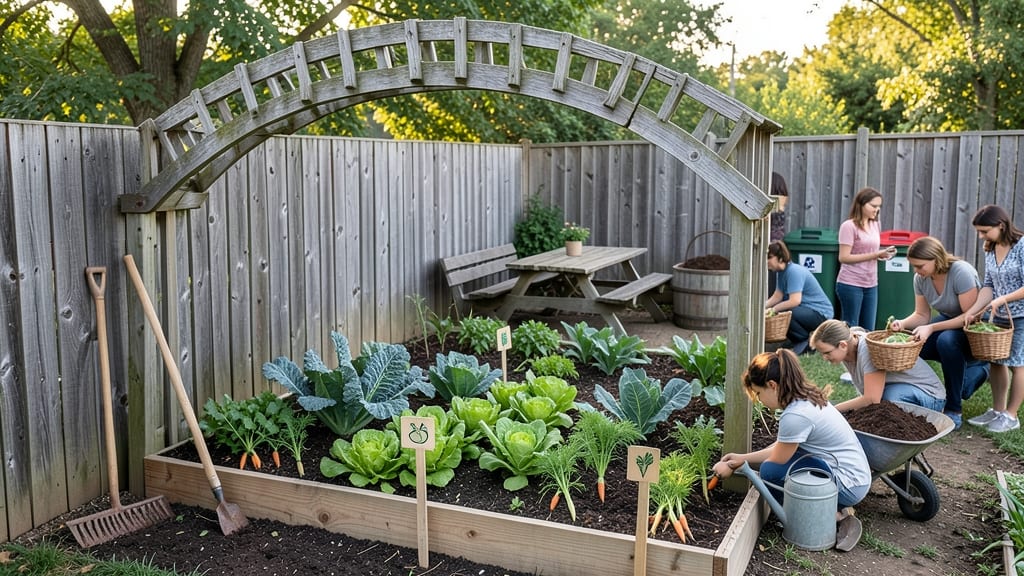
A Bell community garden thrives when you partner with local schools or nonprofits for land, recruit dedicated volunteers, and secure necessary permits while keeping participation open and fair. Start by crafting a shared vision and engaging the community early to build lasting support.
Creating a successful community garden in Bell starts with identifying underutilized spaces—think vacant lots or school grounds—that can be transformed into green spaces. 🌱 The key is building relationships with local organizations that already have established connections to residents, making land acquisition smoother.
I've seen gardens take off when they align with neighborhood priorities, whether that's food security, education, or simply creating a communal gathering spot.
Once you've secured the land, the next challenge becomes assembling a team. Look for volunteers through community boards, local Facebook groups, or even partnering with nearby churches and senior centers.
Permits often feel like the biggest hurdle, but city hall staff are usually happy to guide you through the process if you show genuine community interest. The early planning phase is where you'll want to involve diverse voices to ensure the garden meets everyone's needs.
💡 In This Article
- Key Steps to Launch a Successful Community Garden in Bell
- Funding and Resource Options for Bell Community Gardens
Key steps to launch a successful community garden in Bell
First, you'll need to identify potential land sources that align with your garden's goals. Schools are often ideal partners—they provide space, educational opportunities, and may already have infrastructure like water access. For example, Bell High School's vacant courtyard could become a thriving garden with proper agreements.
Nonprofits like the Bell Community Foundation often have relationships with property owners willing to donate land for public good. The key is approaching these partners with a clear proposal showing how the garden will benefit their mission, whether through youth engagement or neighborhood revitalization.
Once you've secured land, permits become your next critical step. Bell's city planning department typically requires a simple use permit for community gardens, but you'll need to submit site plans showing layout, irrigation systems, and safety measures.
I've found that including a letter of support from your partner organization strengthens your application. For instance, if you're working with a school, their endorsement can help fast-track approval. The process usually takes 4-6 weeks if all paperwork is complete, so start early.
Don't forget to check for any local ordinances about fencing or water usage that might affect your design.
Recruiting volunteers requires targeted outreach strategies. Start with neighborhood associations and local businesses—many have employee volunteer programs. Create a simple sign-up sheet with time commitments (like 2-3 hours weekly) and specific roles (maintenance, education, fundraising) to attract the right people.
I've seen gardens double their volunteer base by offering training sessions on gardening basics, which also builds community ownership. Consider partnering with local colleges for student volunteers who can assist with research or educational workshops. The first 30-45 days are crucial for establishing routines and assigning responsibilities.
Your timeline should account for seasonal planting cycles and community events. Begin with soil preparation in early spring (March-April), followed by planting in late spring when temperatures stabilize. Schedule your first harvest celebration for midsummer to build momentum.
I recommend creating a shared calendar where volunteers can sign up for shifts and track progress. This transparency keeps everyone engaged and helps you identify gaps in participation early.
For example, if your garden focuses on bell peppers, plan to plant seedlings in late May when soil temperatures reach 65°F—this timing ensures optimal growth before summer heat peaks.
Equitable access means designing your garden with diverse needs in mind. Install raised beds for accessibility and provide tools that accommodate different mobility levels. Partner with local food banks to ensure surplus produce benefits the entire community.
I've seen successful gardens implement a "grow what you eat" approach, where residents vote on what to plant based on their dietary preferences. This not only increases participation but also guarantees the produce will actually be used.
Consider hosting monthly potlucks where participants share cultural dishes made with garden ingredients—this builds cross-cultural connections while celebrating the harvest.
Finally, document your progress through photos and newsletters to maintain momentum. Share success stories with city council members to secure future funding. I've found that gardens with active social media presence grow their volunteer base by 30% annually.
Create a simple Instagram page showcasing your progress—residents love seeing their contributions come to life. The most sustainable gardens treat their community as both participants and ambassadors, turning every volunteer into a gardening advocate.