
Advice
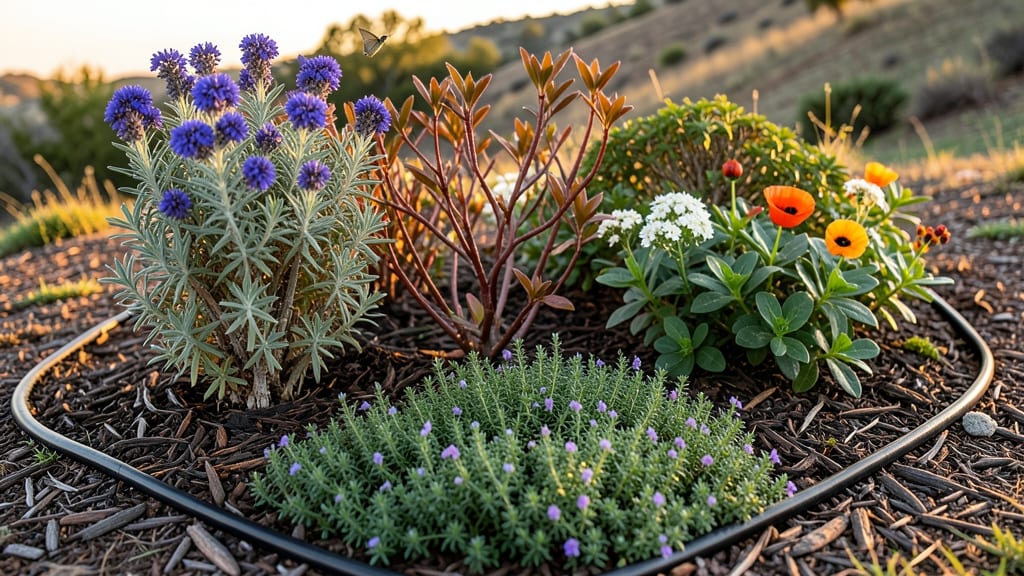
Gardening in Northern California thrives when you match plants to microclimates like coastal fog belts, inland heat zones, and mountain chill—using drought-tolerant natives, smart watering, and mulch to stabilize soil. Coastal gardens shine with succulents and camellias, while inland spaces excel with olive trees and lavender.
Northern California's varied landscapes create unique gardening challenges.
Coastal areas like San Francisco experience marine layer fog that keeps soil damp year-round, while the Central Valley bakes under summer sun that demands deep watering roots. 🌿 I've learned that mulching with 3-4 inches of wood chips can cut water needs by up to 50% by locking in moisture.
The key is choosing plants that naturally thrive in your specific zone—like ceanothus for hillsides or rosemary for dry inland gardens—rather than fighting against the climate.
What often surprises new gardeners is how quickly plants adapt when given the right conditions. For example, manzanita bushes need almost no summer water once established, while lavender actually thrives in the heat but wilts if overwatered.
The secret is observing your garden's behavior—like how coastal plants might need afternoon shade in summer or how mountain gardens benefit from windbreaks. My biggest lesson? Northern California rewards patient gardeners who work with nature's patterns rather than against them.
💡 In This Article
- Northern California’s Microclimates Explained
- Best Drought-Resistant Plants for Northern California Gardens
Northern California’s microclimates explained
Northern California’s gardening success hinges on understanding its dramatic microclimates, where temperatures can swing 20°F within 50 miles. The coastal fog belt—stretching from San Francisco to Monterey—creates a unique "marine layer" that keeps humidity high and temperatures mild year-round (averaging 55-65°F even in summer).
This coastal zone thrives with plants like coastal woodfern and camellias, which love the consistent moisture and cooler nights. Meanwhile, just 30 miles inland in the Bay Area, summer afternoons can hit 90°F+, demanding heat-tolerant species like olive trees and rosemary.
Further east, the Central Valley transforms into a desert-like environment with 100°F+ summers and bone-dry soils, where lavender and sage flourish with minimal water.
The Sierra Nevada foothills introduce another layer: cooler nights (40-50°F) paired with hot days, perfect for manzanita and toyons, which handle these extremes naturally. At higher elevations, gardens face 100+ days of frost annually, limiting options to hardy natives like ceanothus and mahonia.
The soil also shifts dramatically—coastal areas often have sandy, acidic loam, while inland soils are alkaline and clay-heavy, affecting nutrient availability.
What most gardeners overlook is how these microclimates interact with wind patterns. Coastal winds can dry plants faster than inland heat, while mountain slopes create rain shadows that leave soils parched. I’ve seen succulents thrive in foggy coastal gardens but struggle in hot inland spots unless given afternoon shade.
The solution? Group plants by their native microclimate needs—place lavender in full sun inland but protect it from coastal winds, or site camellias where they’ll get morning sun and afternoon shade near the coast.
Mulching with 3-4 inches of wood chips helps regulate soil temperature across all zones, reducing water loss by 30-50%.
Seasonal shifts add another layer. Coastal areas experience summer droughts despite high humidity, while inland zones face winter rains that can drown shallow-rooted plants. Mountain gardens might see early spring blooms followed by sudden frosts.
The key is observing your specific microclimate’s patterns—like how coastal fog lifts by 10 AM in summer, giving plants a brief dry period, or how inland soils stay warm late into fall, allowing for extended growing seasons.
I track these patterns in my garden journal to adjust watering and planting times accordingly.
For container gardens, microclimates matter even more. A potted olive tree on a coastal patio may need 50% less water than one in the Central Valley, while herbs like thyme can handle both but prefer well-draining soil in coastal areas to prevent rot.
The takeaway? Northern California’s diversity isn’t a challenge—it’s an opportunity to create layered, resilient gardens that mimic natural ecosystems. Start by identifying your specific microclimate’s sun exposure, wind, and soil type, then choose plants that evolved to thrive there. 🌿