
Tools
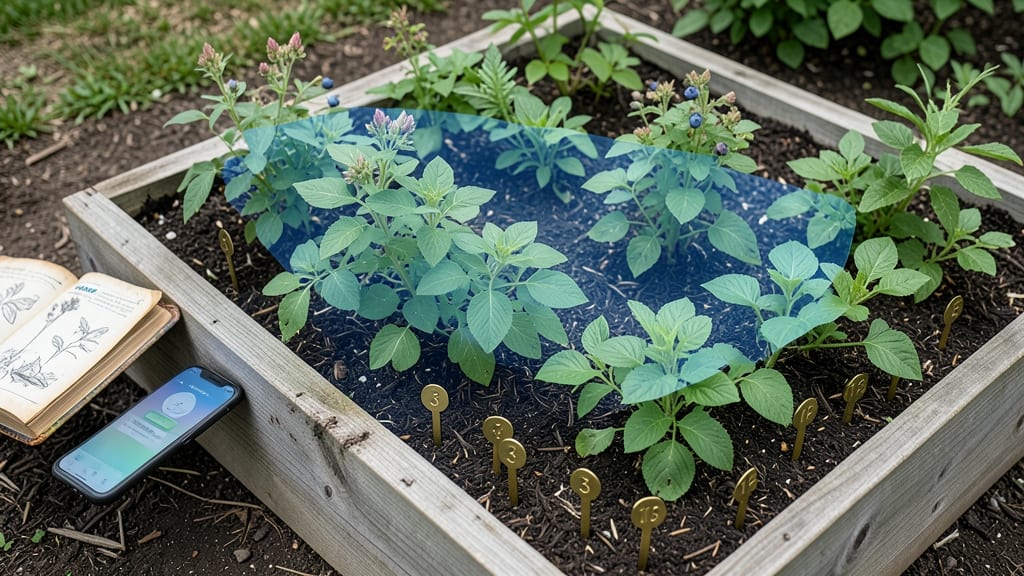
Using US gardening zones helps you select plants that thrive in your local climate by matching their cold-hardiness to your area’s average minimum winter temperatures, found on the USDA Plant Hardiness Zone Map. Start by locating your zone, then choose plants labeled for your specific range (e.g., Zone 5-7).
Understanding US gardening zones saves you from costly mistakes like dead plants or wasted effort. 🌱 The USDA map divides the country into 13 zones based on average annual minimum temperatures, helping you pick perennials, shrubs, and trees that survive winter in your area.
For example, a Zone 3 gardener can't grow citrus trees (Zone 9-11), but they can thrive with cold-hardy options like Russian olive or serviceberry. Even within a zone, microclimates—like south-facing walls or urban heat pockets—can shift your effective growing range by 1-2 zones.
To put this into practice, start by finding your zone using the USDA Interactive Map with your zip code. Then look for plants tagged with your zone number or range (e.g., Zone 5-8 means it tolerates temperatures from -20°F to +10°F).
Pro tip: If you're on the border of two zones, like Zone 4b, opt for plants labeled for both zones or use containers to move tender plants indoors during frost. This simple step ensures your garden flourishes year after year.
💡 In This Article
- How USDA Plant Hardiness Zones Determine Plant Survival
- Practical Guide: Finding Your Zone and Picking the Right Plants
How USDA plant hardiness zones determine plant survival
The USDA Plant Hardiness Zone Map divides the country into 13 zones based on the average annual minimum winter temperatures recorded over a 30-year period.
Each zone represents a 10°F difference in cold tolerance, with Zone 1 enduring temperatures as low as -60°F and Zone 13 facing no frost at all. This system helps gardeners predict which plants can survive winter in their specific area by matching their cold-hardiness to local climate data.
Here's how it works: Plants have a critical temperature threshold below which their cells freeze and die.
For example, Zone 5 plants (like lilacs or hydrangeas) can handle down to -20°F, while Zone 9 plants (such as bougainvillea) won't survive below 20°F. The map accounts for 10-year averages of minimum temperatures, which smooths out extreme weather fluctuations.
However, a single unusually cold winter (like the 2014 polar vortex that hit Zone 7) can still damage plants outside their ideal range.
Microclimates add another layer of complexity. A south-facing wall can create a Zone 7 microclimate in an otherwise Zone 5 area, while urban heat islands (like downtown Chicago) may push effective zones up by 1-2 levels.
This is why citrus trees in Zone 3 (like oranges or lemons) will freeze without winter protection, even if they thrive in Zone 9. The key is observing your garden's specific conditions—like frost pockets in low areas or heat retention near buildings—to fine-tune your plant choices.
For container gardeners, understanding zones becomes even more critical. Potted plants can be moved indoors or to sheltered spots during cold snaps, effectively expanding their growing range.
For instance, a Zone 8 tomato plant might survive winter in a Zone 7 garden if brought inside before temperatures drop below 28°F. This flexibility lets you grow plants that wouldn't normally survive in your hardiness zone.
What most gardeners overlook is how plant tags often list a range (e.g., "Zone 5-9") rather than a single zone. This accounts for variations in cold tolerance across a plant's maturity and growing conditions.
For example, a rose bush labeled for Zones 5-9 might handle -20°F as a mature plant but struggle in Zone 5 if young and unestablished. Always check the minimum temperature rating on tags to avoid disappointment.
Think of zones as a starting point, not an absolute rule. The USDA map provides a baseline, but your local weather patterns, soil conditions, and even your garden's layout can shift what truly thrives in your space. 🌿