
Shrubs
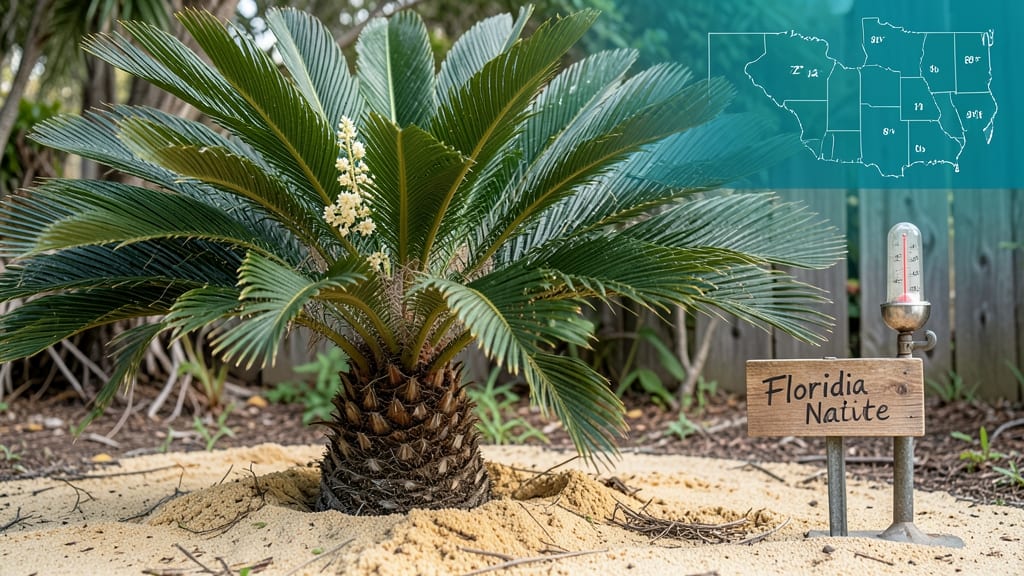
Florida’s gardening zones span 9a to 11, where shrubs must endure minimum temperatures between 20°F and 40°F, favoring drought-resistant tropical or subtropical varieties like oleanders, firebush, and coontie palms for thriving growth.
These zones reflect Florida’s unique climate challenges, where humidity and heat play as big a role as cold tolerance. 🔥 Unlike northern climates, Florida’s shrubs face stress from prolonged heat waves rather than frost—making species like firebush and coontie palms ideal for their ability to withstand 90°F+ temperatures while conserving water.
Native plants like these also require minimal irrigation once established, which is critical in Florida’s drought-prone summers.
For gardeners, this means prioritizing deep-rooted perennials that thrive in sandy, well-draining soils—a common trait among Florida’s hardiest shrubs. Oleanders, for example, not only tolerate heat but also repel pests naturally, while firebush adds vibrant color to landscapes while supporting pollinators.
Understanding these zone-specific needs helps avoid costly mistakes like planting cold-sensitive shrubs that’ll wilt in Florida’s summer heat.
💡 In This Article
- How Florida’s Climate Affects Shrub Heat Tolerance
- Best Heat-Resistant Shrubs for Florida Gardening Zones
How Florida’s climate affects shrub heat tolerance
Florida’s gardening zones—ranging from 9a to 11—are shaped by a unique combination of high humidity, intense sunlight, and rare but possible cold snaps. The USDA zone system here focuses less on frost resistance and more on heat endurance, since temperatures rarely drop below 20°F in most areas.
The real challenge for shrubs is Florida’s 90°F+ summers and 90% humidity, which create a double-edged sword: while tropical plants thrive, subtropical species struggle with excessive moisture and heat stress.
The science behind this lies in how plants regulate water loss. Shrubs in Florida’s zones must balance transpiration rates—the process where plants release water vapor—with their ability to absorb moisture from sandy, nutrient-poor soils.
For example, firebush (Hamelia patens) has adapted by developing thick, leathery leaves that minimize water loss, while its vibrant red flowers attract pollinators even in 100°F+ heat. Meanwhile, non-native shrubs like bougainvillea may wilt under these conditions unless given afternoon shade and weekly deep watering.
Humidity plays a critical role in shrub survival, too. High moisture levels can lead to fungal diseases like powdery mildew, which thrives in Florida’s damp climate.
This is why native shrubs like coontie palms (Zamia integrifolia) have evolved natural resistance—their cycad roots form symbiotic relationships with fungi that help them access nutrients efficiently. In contrast, subtropical shrubs from drier climates may require improved drainage and mulching to prevent root rot in Florida’s heavy rains.
Heat stress manifests differently in tropical vs. subtropical shrubs. Tropical varieties, like oleanders (Nerium oleander), can handle consistent high temperatures but may suffer if nights drop below 60°F. Subtropical shrubs, such as abutilon (flowering maple), tolerate cooler winters but wilt under prolonged 95°F+ heat without adequate hydration.
The key difference? Tropical shrubs prioritize heat tolerance, while subtropical ones focus on temperature fluctuations.
Florida’s microclimates add another layer of complexity. Coastal areas in Zone 10a-11 experience fewer than 10 frost-free days per year, while inland regions in Zone 9a may see brief cold snaps.
This is why gardeners in Miami (Zone 11) can grow mango trees alongside shrubs, while those in Orlando (Zone 9b) must choose hardier options like muhly grass or yaupon holly. The lesson?
Matching shrubs to your exact microclimate—even within the same USDA zone—can mean the difference between thriving plants and costly failures.
One often-overlooked factor is soil salinity, especially near coastlines. Shrubs like sea grape (Coccoloba uvifera) have adapted to brackish conditions, while inland varieties may struggle with salt buildup from ocean spray.
Testing soil salinity and amending with organic matter can extend the lifespan of heat-sensitive shrubs in these zones. 🔥