
Flowers
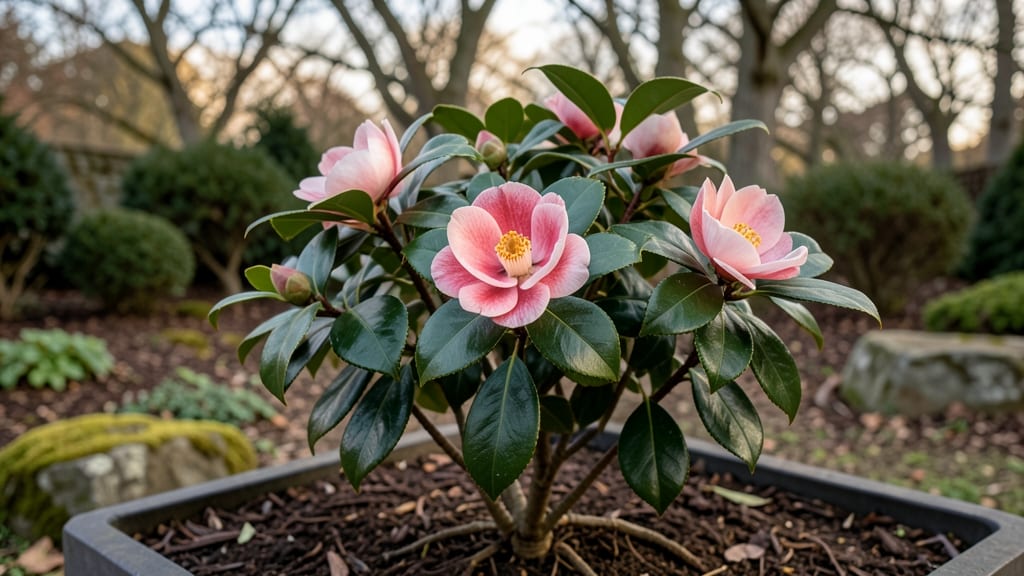
Gibbs Gardens in Ball Ground features breathtaking seasonal displays, rare botanical collections, and themed gardens like the Japanese Garden and Rose Garden, all set against Georgia's scenic rolling hills for peaceful exploration.
This 10-acre botanical paradise combines horticultural artistry with natural beauty, offering something new with every season. 🌸 Spring brings vibrant tulips and azaleas, while fall transforms the grounds into a golden chrysanthemum wonderland.
The Japanese Garden's meticulously designed koi ponds and stone lanterns create a tranquil escape, perfect for both photography and quiet reflection. What sets Gibbs Gardens apart is its commitment to accessibility—wide paths accommodate all visitors, and the on-site gift shop features locally made botanical crafts.
Themed gardens like the Rose Garden showcase over 1,000 varieties, while the seasonal displays rotate to highlight Georgia's native flora alongside international rarities. Pro tip: Weekday mornings are ideal for avoiding crowds, and the nearby Ball Ground Farmers Market (open Saturdays) makes for a perfect post-visit treat.
Whether you're a plant enthusiast or simply seeking scenic walks, this garden delivers year-round inspiration.
💡 In This Article
- Exploring Gibbs Gardens’ Signature Plant Collections
- Seasonal Highlights and Visitor Tips for Gibbs Gardens
Exploring Gibbs Gardens’ signature plant collections
The Japanese Garden at Gibbs Gardens is a masterpiece of horticultural design, featuring three koi ponds connected by winding stone paths. The ponds are home to over 50 koi fish, including rare varieties like the Ogon (metallic gold) and Kohaku (white with red markings).
These fish thrive in the garden's carefully balanced ecosystem, where water lilies and lotus plants create natural filtration while adding visual contrast.
The garden's stone lanterns, strategically placed along the paths, guide visitors through a serene meditation space—each lantern's placement aligns with traditional Japanese principles of feng shui and harmony with nature. 🌿
The Rose Garden stands out as one of the largest in the Southeast, showcasing 1,000+ rose varieties across 1.5 acres.
Unlike many rose gardens that focus solely on hybrid teas, Gibbs Gardens includes climbing roses (like 'New Dawn'), heirloom varieties (such as 'Souvenir de la Malmaison'), and modern disease-resistant breeds.
The garden's maintenance team uses a biological pest control system, introducing beneficial insects like ladybugs and lacewings to manage aphids naturally. Visitors can explore rose-themed pathways, each labeled with the variety's name, origin, and bloom season—making it both an educational and sensory experience.
The garden's peak bloom occurs in late May through June, when roses reach their full fragrance intensity.
Seasonal displays rotate every 3-4 months, ensuring year-round interest. For example, the spring tulip exhibition features 20,000+ bulbs planted in geometric patterns, while the fall chrysanthemum show includes miniature varieties as small as 1 inch in diameter.
The garden's curators source rare specimens from international nurseries, such as the Japanese maple 'Bloodgood' (noted for its vibrant red foliage) and the blue anemone 'Windflower', which blooms in early spring.
These plants are chosen not just for their visual appeal but also for their climatic resilience, thriving in Georgia's humid subtropical climate with hot summers (85-95°F) and mild winters (30-50°F). 🌸
Behind the scenes, Gibbs Gardens employs a sustainable irrigation system that recycles water from the ponds and rainwater collection. The garden's soil is amended annually with composted organic matter to maintain its fertility, and mulch is applied to retain moisture while suppressing weeds.
This approach reduces the need for chemical fertilizers and pesticides, aligning with the garden's commitment to eco-friendly horticulture. The result is a living collection that not only delights visitors but also serves as an educational model for sustainable gardening practices.
For plant enthusiasts, the garden offers guided tours led by horticulturists who share insights into the botanical significance of each collection. For instance, the Japanese Garden's moss gardens are maintained using a traditional technique called kokeire, where moss is carefully cultivated and shaped to create textured landscapes.
Meanwhile, the Rose Garden's pruning demonstrations teach visitors how to shape roses for optimal bloom production—a skill that can be applied to home gardens. These interactive elements make Gibbs Gardens more than just a visual experience; it's a hands-on learning environment. 🌱
Timing your visit to align with bloom seasons maximizes the experience. The Japanese Garden is most serene during sunrise or sunset, when the light enhances the reflections in the ponds and the stone lanterns glow softly.
In contrast, the Rose Garden is best explored mid-morning (between 9 AM and 11 AM) when the roses release their strongest fragrance and the temperature is ideal for comfortable walking.
Pro tip: Bring a small notebook to jot down plant names and care tips—many varieties include labels with growing advice for home gardeners.