
Flowers
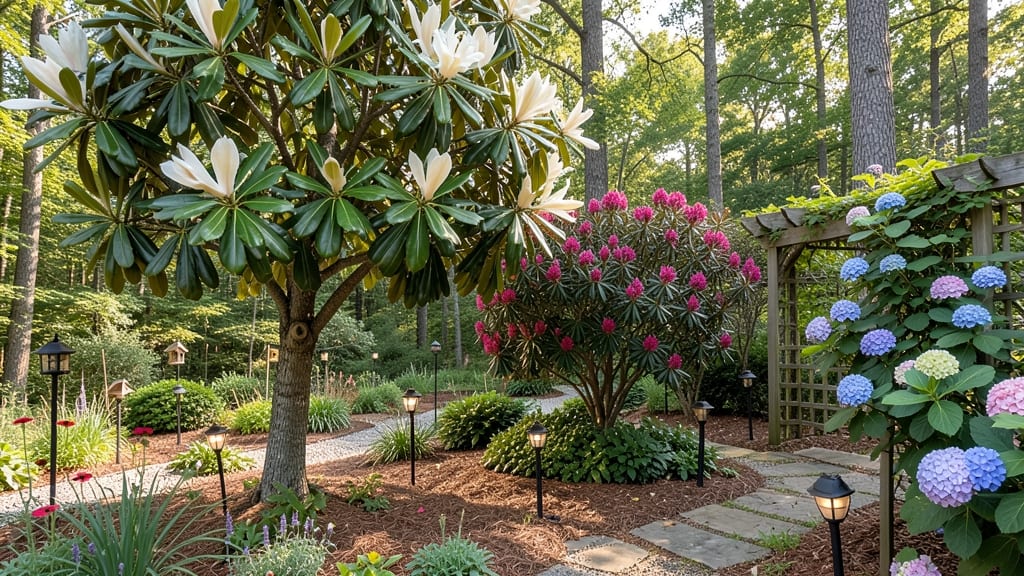
Exploring gardens in Ball Ground, Georgia, reveals vibrant public spaces like Ball Ground City Park and Garden Park at the Arts Center, where native plants meet thoughtfully designed landscapes. Beyond these highlights, you'll find exclusive botanical collections and community gardens that change with the seasons—ideal for nature lovers and photography enthusiasts.
Ball Ground's gardens offer something for every season, with Ball Ground City Park featuring over 10 acres of meticulously maintained trails winding through oak forests and open meadows planted with Georgia natives like black-eyed Susans and azaleas. 🌿 Meanwhile, the Garden Park at the Arts Center transforms into a painter's palette during spring blooms, showcasing annuals alongside permanent sculptures.
The real magic happens in the hidden corners—private gardens like the Ball Ground Garden Club's demonstration plots rotate seasonal displays, while the Downtown Farmers Market often hosts plant swaps where locals share heirloom varieties.
For those who want to dig deeper, the city's Master Gardener program leads free workshops year-round, covering everything from native landscaping to pest control.
Pro tip: Visit in May for the Azalea Festival when the city's historic downtown transforms into a floral wonderland, or stop by the Ball Ground Library's community garden to see how urban greening projects work in practice.
💡 In This Article
- Best Public Gardens in Ball Ground for Plant Enthusiasts
- How to Discover Hidden Gardens and Community Planting Spots
Best public gardens in Ball Ground for plant enthusiasts
Ball Ground's gardens thrive on their thoughtful integration of native Georgia flora, which creates ecosystems that support local wildlife while offering stunning visual appeal.
The Ball Ground City Park spans over 10 acres and features carefully curated trails that wind through mature oak forests and sunlit meadows planted with species like black-eyed Susans (Rudbeckia hirta) and Georgia azaleas (Rhododendron spp.).
What makes this garden special is its pollinator-friendly zones, designed with 15+ species of milkweed and purple coneflowers (Echinacea purpurea) to attract monarch butterflies and bees during their peak migration seasons (April-June and September).
The Garden Park at the Arts Center takes a different approach by blending horticulture with public art installations. This 2-acre space transforms dramatically with seasonal displays, featuring annuals like petunias and snapdragons alongside permanent sculptures that interact with the plantings.
The park's raised garden beds are organized by color themes, making it a photographer's dream during peak bloom times. Unlike traditional gardens, this space prioritizes accessibility with ADA-compliant paths and sensory gardens designed for visitors with visual impairments, using textured plants like lamb's ear (Stachys byzantina) and fragrant herbs.
What sets these public gardens apart is their commitment to sustainable landscaping practices. Both locations use drip irrigation systems that deliver 30-40% less water than traditional sprinklers while maintaining lush conditions.
The city's Master Gardener program volunteers regularly lead tours explaining how native plants require 70% less maintenance than non-native species, as they've evolved to thrive in Georgia's humid subtropical climate with its hot summers (85-95°F) and mild winters (30-50°F).
This approach not only preserves water but also creates habitats that support over 40 species of native birds and beneficial insects.
For those interested in rare botanical specimens, the Ball Ground Garden Club's demonstration plots offer rotating exhibits featuring Georgia native orchids and heath family plants like pine lilies (Lilium catesbaei).
These plots demonstrate how to incorporate unusual but hardy species into home landscapes, with labels explaining each plant's light requirements, soil preferences, and bloom cycles.
The club's annual plant sale in early spring becomes a local event where gardeners can purchase heirloom varieties adapted to the region's clay-heavy soils and occasional drought conditions.
Timing your visit can dramatically enhance your experience. The Azalea Festival in May transforms downtown Ball Ground into a floral spectacle, with over 50,000 azalea blooms creating a 10-foot-high canopy along the main streets.
For a quieter experience, September brings fall asters and goldenrod to the meadows, while winter reveals evergreen hollies and camellias that provide structure to the landscape.
The gardens' free guided tours (held monthly) offer insider knowledge about which plants thrive in full sun versus shade and how to create similar effects in home gardens.
One often-overlooked feature is the scent gardens at both locations, carefully designed to engage multiple senses.
These areas incorporate fragrant plants like mock orange (Philadelphus spp.), jasmine (Trachelospermum jasminoides), and Russian sage (Perovskia atriplicifolia), which release their most intense aromas between 10 AM and 4 PM when temperatures reach 75-85°F.
The combination of visual beauty and sensory stimulation makes these gardens particularly appealing for therapeutic gardening and educational programs for schools and senior centers.
Whether you're a seasoned horticulturist or a casual plant admirer, Ball Ground's public gardens offer something special. The key to getting the most out of your visit is to plan around seasonal blooms and take advantage of the free educational materials available at each location.
Don't miss the quarterly plant identification days where experts help visitors learn to recognize native species—a skill that's particularly useful for wildlife conservation efforts in the region. 🌸