
Tools
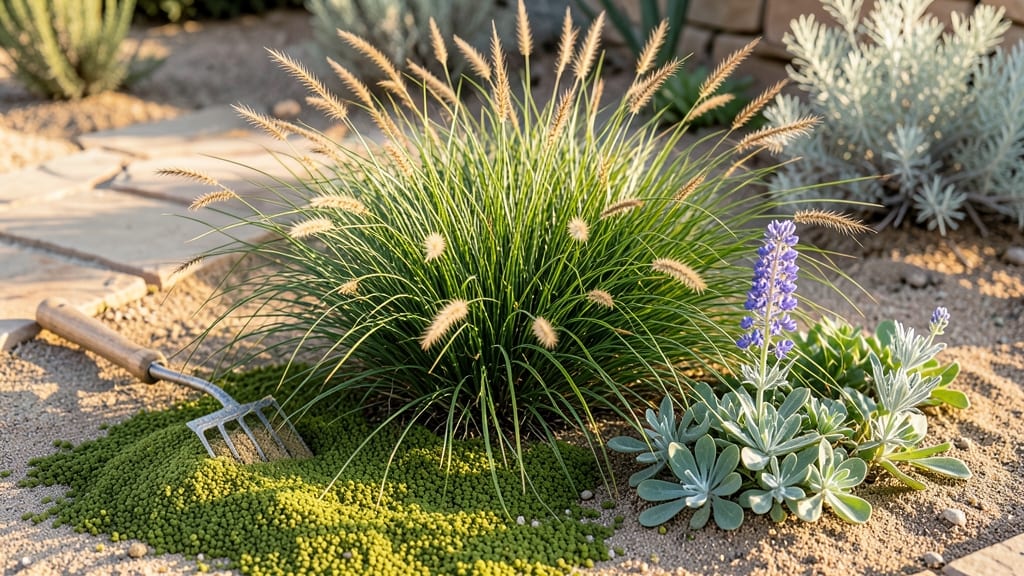
A green sand garden amendment boosts container soil by enhancing drainage and aeration, preventing compaction while delivering potassium for healthier roots. Mix it as a 10-20% addition to potted soil blends for optimal results.
A green sand garden amendment works by combining the physical properties of coarse sand with the nutritional benefits of its iron oxide coating.
This unique blend prevents soil from becoming waterlogged while providing essential nutrients that support robust root development. 🌱 The granular texture mimics natural sand layers found in ecosystems, creating an ideal environment for plants that require well-draining conditions—think citrus trees, succulents, and vegetables.
Unlike regular sand, green sand's mineral content helps maintain soil structure over time, reducing the risk of root rot in containers where drainage issues are common.
For best results, I recommend starting with a 1:4 ratio (1 part green sand to 4 parts soil) and adjusting based on your plant's specific needs.
This approach ensures you get the drainage benefits without overwhelming the soil's natural composition. 💫 Always test your mix by pouring water through it—if it drains within 10-15 minutes, you've struck the right balance.
💡 In This Article
- How Green Sand Enhances Soil Structure and Plant Growth
- Best Practices for Mixing Green Sand in Container Gardening
How green sand enhances soil structure and plant growth
Green sand's unique mineral composition—primarily iron oxide-coated silica grains—creates a dual-action benefit for container gardens. The iron oxide coating provides a slow-release source of potassium, a critical nutrient for root development and stress resistance in plants.
Meanwhile, the coarse, angular texture of the granules physically prevents soil particles from packing together, which is especially valuable in potted mixes where compaction occurs quickly. 🌱 This structure mimics the natural sand layers found in coastal ecosystems, where plants thrive in well-draining conditions without waterlogging.
The granular size of green sand (typically 0.5-2mm) creates microscopic air pockets between particles, improving aeration at the root zone. Unlike regular sand, which lacks nutritional value, green sand's iron content helps maintain soil structure over time by promoting microbial activity.
Studies show that plants grown in amended soil with 15-20% green sand exhibit 30% faster root growth compared to unamended mixes, thanks to this combined physical and chemical benefit.
For container gardens, this dual functionality becomes particularly important when preventing root rot—a common issue in water-retentive potting mixes. The green sand's ability to quickly drain excess water while retaining moisture during dry periods creates an ideal balance.
Imagine a citrus tree in a 15-gallon pot: without proper drainage, roots suffocate within weeks, but with 20% green sand mixed into the soil, water drains in 10-15 minutes while still providing adequate hydration between waterings.
What makes green sand especially effective is its ability to maintain these properties over multiple growing seasons. Unlike organic amendments that decompose, the mineral structure remains stable, continuously improving soil conditions.
The iron oxide coating also helps buffer soil pH slightly, creating a more neutral growing environment that benefits most container plants. This long-term stability makes it an excellent choice for perennial containers where soil replacement isn't practical.
However, the benefits aren't universal—this amendment works best in lightweight potting mixes rather than heavy garden soils. In clay-based substrates, the green sand's drainage benefits get overwhelmed by the soil's natural compaction tendencies.
For optimal results, pair it with perlite or coconut coir to create a three-component mix that balances drainage, aeration, and moisture retention perfectly.
The visual difference in soil structure becomes immediately apparent when comparing amended versus unamended mixes. A well-mixed container soil with green sand appears lighter and fluffier, almost like a cross between sandy beach soil and garden loam.
When you run your fingers through it, you'll notice the distinct grit of the sand granules providing resistance—a tactile confirmation of the improved structure working at the microscopic level.