
Tools
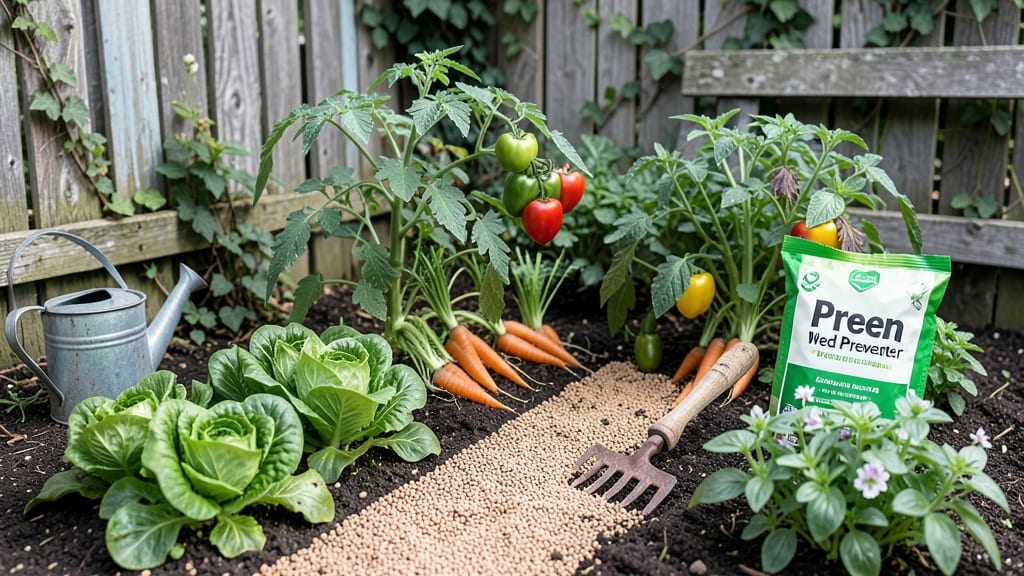
Preen is safe to use in vegetable gardens when applied correctly, since its active ingredient—corn gluten meal—acts as a natural weed preventer that breaks down quickly in soil. However, always verify organic certification and avoid treating edible crops during their growing season to prevent any residual contamination.
Preen's safety comes from its organic composition, but timing matters most. 🌱 The corn gluten meal works by blocking weed seeds from sprouting, yet it decomposes within 4-6 weeks, making it ideal for pre-planting applications.
I've found that applying it 4-6 weeks before planting vegetables gives it time to work while minimizing soil disruption. For organic certification, look for OMRI-listed products to ensure compliance with strict standards.
One common concern is whether Preen affects vegetable growth. The truth is, when used properly, it actually improves soil health by adding organic matter. However, never apply it directly to young seedlings or during harvest—this prevents any potential uptake of residual compounds.
For maximum safety, I recommend spot-treating only non-edible areas or using organic mulches as an alternative.
💡 In This Article
- How Preen Works in Organic Gardening
- Best Practices for Using Preen Near Vegetable Plants
How Preen works in organic gardening
Preen's effectiveness comes from its active ingredient, corn gluten meal, which works as a natural pre-emergent herbicide by disrupting the metabolic processes of weed seeds. When applied to soil, the gluten protein in corn meal absorbs water and swells, creating a physical barrier that prevents weed seeds from germinating.
This process is called "hydration-induced germination inhibition," where the corn gluten absorbs up to 300% of its weight in water, essentially suffocating young weed seedlings before they emerge.
The breakdown process is what makes Preen particularly safe for vegetable gardens. Unlike synthetic herbicides that linger in soil for months, corn gluten meal degrades within 4-6 weeks through natural microbial activity in the soil.
This rapid decomposition means it doesn't accumulate in the environment or contaminate edible crops if used according to guidelines. The organic matter from the corn meal also enriches soil structure, improving water retention and microbial life—benefits that extend beyond weed control. 🌱
For organic certification, Preen must meet strict standards set by organizations like OMRI (Organic Materials Review Institute). Products labeled "OMRI-listed" have undergone rigorous testing to ensure they don't leave harmful residues or disrupt beneficial soil organisms.
This certification process includes field trials, residue testing, and ecological impact assessments to verify safety for organic farming systems. The result is a product that aligns with organic principles while delivering effective weed suppression.
One key mechanism often overlooked is how Preen targets only weed seeds while sparing established plants. The corn gluten meal doesn't affect mature plants because it works at the seed germination stage, where young plants are most vulnerable to water absorption interference.
This selective action means vegetables planted after Preen's application window (typically 4-6 weeks) won't experience growth inhibition. The product's safety profile is further enhanced by its lack of phytotoxicity—meaning it won't burn or damage plant foliage upon contact.
Consider this comparison: synthetic pre-emergents like pendimethalin can remain active in soil for 3-6 months, while corn gluten meal's effects last only 4-6 weeks. This short residual period is why Preen is frequently recommended for organic gardeners who need effective weed control without long-term soil disruption.
The temporary nature of its action also means gardeners can rotate crops more freely without worrying about herbicide carryover affecting subsequent plantings.
What most gardeners don't realize is that Preen's effectiveness varies with soil moisture levels. In dry conditions, the corn gluten may not absorb enough water to fully inhibit weed seeds, reducing its efficacy.
This is why proper watering (about 1/2 inch of irrigation) within 24 hours of application is critical for optimal performance. The product's safety margin widens when used in moist soils, where its weed-suppressing mechanisms are most reliable. 💧