
Vegetables
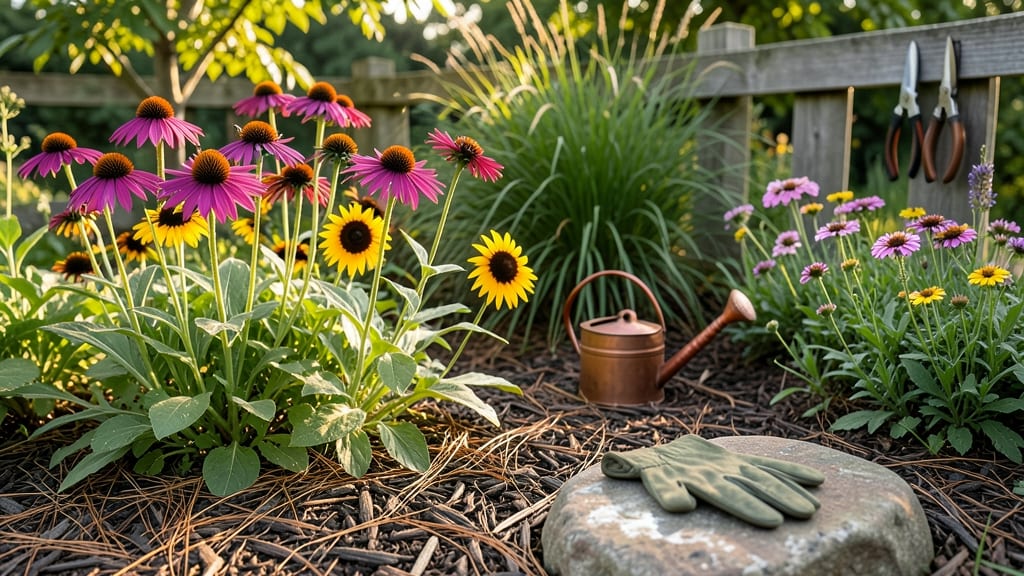
To become a green state gardener, focus on sustainable practices like composting, organic fertilizers, water conservation, and native plantings to minimize environmental harm while fostering a healthy garden.
This approach isn't just about growing plants—it's about working with nature to create a self-sustaining ecosystem. 💛 Native plants, for example, require less water and attract pollinators, while composting recycles nutrients back into your soil instead of relying on chemical inputs.
The key is starting small: even swapping one conventional practice for an eco-friendly alternative makes a difference over time.
Many beginners underestimate how much water they waste through evaporation or runoff. A simple drip irrigation system or soaker hoses can deliver moisture directly to roots while reducing waste.
I've seen gardens transform when people shift from weekly watering to deep, infrequent watering—plants develop stronger root systems and become more drought-resistant.
💡 In This Article
- Core Principles of Sustainable Gardening Practices
- Step-by-Step Eco-Friendly Garden Setup Guide
Core principles of sustainable gardening practices
At the heart of sustainable gardening lies soil health—the foundation that supports all plant life. Healthy soil teems with microorganisms, earthworms, and fungi that break down organic matter into nutrients plants can absorb.
When you use organic fertilizers like compost or worm castings, you're feeding these beneficial organisms, which in turn improve soil structure and water retention. For example, a well-composted garden bed can hold up to 30% more water than untreated soil, reducing irrigation needs by nearly half during dry spells. 🔥
Another key principle is biodiversity, which strengthens your garden's resilience. Native plants, for instance, have evolved alongside local wildlife, creating natural food chains that support pollinators, birds, and beneficial insects. Studies show that gardens with 10+ native plant species attract 20% more pollinators than monoculture gardens.
This diversity also reduces pest problems—natural predators thrive when there's a balanced ecosystem, minimizing the need for chemical interventions.
Water conservation is where many gardeners make their biggest impact. Traditional sprinklers waste up to 50% of water through evaporation or runoff, but techniques like mulching (using straw, wood chips, or leaves) can retain moisture while suppressing weeds.
A 3-inch layer of mulch can reduce soil evaporation by 70%, and it also cools roots during hot summer months. For even greater efficiency, consider rainwater harvesting—collecting roof runoff in barrels provides free, chemical-free irrigation that's gentler on plants.
Permaculture design takes these principles further by mimicking natural ecosystems. Instead of rigid rows, permaculture gardens use swales (shallow trenches) to capture and redirect water, and companion planting (pairing plants that benefit each other) to deter pests.
For example, planting basil near tomatoes repels whiteflies, while marigolds deter nematodes. The result is a garden that requires less maintenance and produces more food with fewer resources. 🌱
Finally, closed-loop systems—where waste becomes a resource—are the ultimate goal. Food scraps become compost, which feeds plants, whose harvest feeds you, and the cycle continues. Even "waste" like coffee grounds or eggshells can be repurposed: crushed eggshells deter pests, while coffee grounds acidify soil for blueberries.
This circular approach minimizes landfill waste while keeping nutrients on-site.
What most people don't realize is how these principles work together synergistically. For instance, healthy soil + native plants + proper watering = a garden that requires 30-50% less water than conventional gardens.
The cumulative effect is what makes sustainable gardening so powerful—small changes compound into significant environmental benefits over time. 💫