
Fertilization
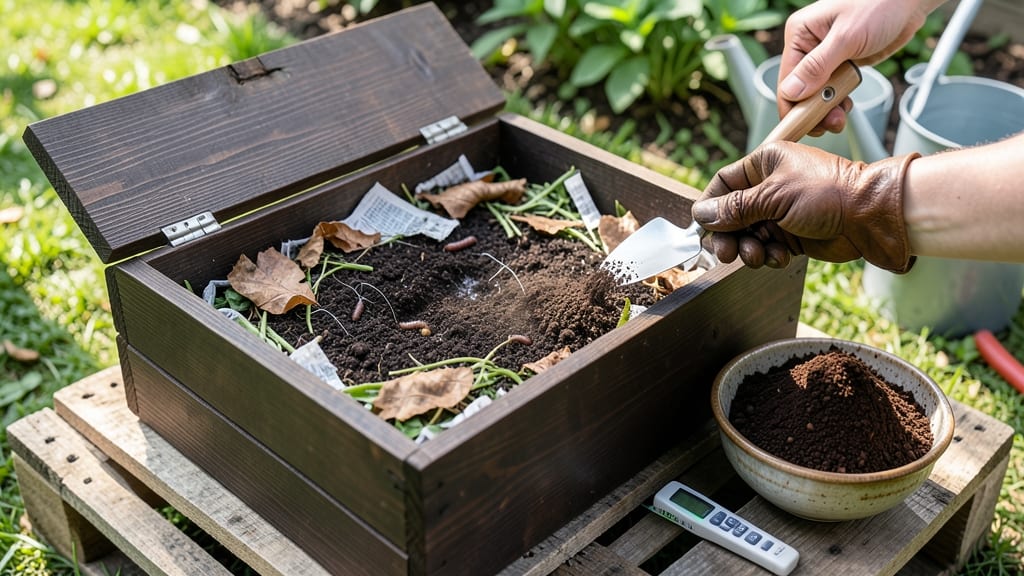
You can absolutely put coffee grounds in your garden—they boost soil fertility with nitrogen, enhance drainage, and repel pests, but use them judiciously to prevent over-acidification or mold growth. Fresh grounds work best in compost or as mulch, while used grounds are safer for direct soil application.
Coffee grounds are a gardener's secret weapon because they're packed with nutrients like nitrogen, phosphorus, and potassium—though the nitrogen release happens slowly over time. 🌱 The grounds also break down organic matter, creating air pockets that improve soil aeration while suppressing weeds.
I've found that acid-loving plants like blueberries, azaleas, and hydrangeas respond particularly well, but even vegetables like tomatoes benefit from the microbial boost.
For best results, I recommend mixing used grounds into your compost pile (they decompose faster there) or sprinkling a thin layer around plants as mulch. Just remember: too much can make your soil too acidic, so balance with lime if needed.
A general rule is 1/4 cup per plant every few weeks during growing season.
💡 In This Article
- How Coffee Grounds Improve Garden Soil Chemistry
- Best Practices for Using Coffee Grounds in Your Garden
How coffee grounds improve garden soil chemistry
Coffee grounds act like a slow-release fertilizer because they contain about 2% nitrogen by weight, along with trace minerals like magnesium and potassium. When they decompose, microbes in the soil break them down through a process called mineralization, converting organic nitrogen into ammonium (NH₄⁺), which plants can absorb.
This process works best in warm, moist conditions—think of it like a natural time-release capsule for your garden's nutrient needs. 🌱 The breakdown also creates humus, which improves soil structure and water retention.
The pH impact depends on how much you use: fresh grounds typically measure around pH 6.2-6.8, making them slightly acidic.
While this benefits acid-loving plants like blueberries (ideal pH 4.5-5.5) or hydrangeas (pH 5.5-6.2), it can stress vegetables like tomatoes or peppers, which prefer neutral to slightly alkaline soil (pH 6.0-7.0). The key is moderation—mixing 1 part coffee grounds to 30 parts soil maintains balance without over-acidifying.
Here's where it gets interesting: coffee grounds also act as a microbial stimulant. The caffeine (about 1-2% by weight) in fresh grounds may initially inhibit some soil microbes, but as it breaks down, it creates a temporary "wake-up call" for beneficial bacteria and fungi.
Studies show that within 4-6 weeks, these microbes adapt and actually thrive, creating a more active soil ecosystem that improves nutrient cycling. 🔬 This is why used grounds (with 90% less caffeine) are safer for direct application—they skip the initial microbial disruption.
Compared to other organic amendments, coffee grounds offer unique advantages. While compost provides broad nutrient benefits, coffee grounds specifically target nitrogen needs and pest deterrence. Manure delivers more balanced nutrients but can introduce weed seeds and pathogens.
The grounds' fine texture also makes them ideal for improving clay soils by breaking up compacted particles, whereas sandy soils benefit from their ability to retain moisture through better organic matter content.
One often-overlooked benefit is their role in suppressing fungal diseases. The tannins in coffee grounds create an environment that discourages harmful pathogens like Phytophthora (which causes root rot) while promoting beneficial mycorrhizal fungi that help plants absorb water and nutrients.
This dual action makes them particularly valuable for container gardens where drainage issues are common.
To maximize these benefits, consider layering coffee grounds with other amendments. For example, mixing them with wood ash (which raises pH) creates a balanced soil environment, while pairing them with bone meal adds phosphorus for root development.
The key is understanding your soil's current chemistry—test your soil first to determine if you need to adjust acidity before adding grounds. 💫